
Health
Critical Abilities That Drive Junior Doctors’ Achievement


Technical Proficiency
Mastering medical procedures, diagnostics, and treatment protocols is the foundation of a successful medical practice. Junior doctors should focus on:
- Accurate patient assessments
- Interpreting laboratory results
- Administering treatments effectively
Continuous practice and seeking feedback from senior colleagues can enhance these technical skills.
Effective Communication
Clear and compassionate communication with patients and colleagues is essential for effective healthcare delivery. This includes actively listening to patient concerns, asking clarifying questions, and validating their experiences to build trust and rapport. Conveying complex medical information in understandable terms ensures patients can make informed decisions about their care. Collaborating with multidisciplinary teams, sharing updates, coordinating treatment plans, and respecting each professional’s expertise enhances overall patient outcomes.
Effective communication also helps prevent errors, reduces misunderstandings, and supports a safer healthcare environment. Regularly practicing empathy, providing timely feedback, and encouraging open dialogue strengthen relationships with patients and colleagues alike. By fostering clear, respectful, and supportive interactions, healthcare providers not only improve patient satisfaction but also promote teamwork, efficiency, and a positive workplace culture. Strong communication is a cornerstone of quality care and professional excellence.
Empathy and Emotional Intelligence
Understanding and sharing patients’ feelings can significantly enhance the quality of care provided. Developing emotional intelligence involves recognizing and managing one’s own emotions, which helps healthcare professionals remain calm and effective in stressful situations. It also requires responding appropriately to others’ emotions, such as showing compassion when patients express fear, frustration, or sadness. Building strong patient-doctor relationships through empathetic listening, validation, and genuine concern fosters trust and encourages open communication.
Empathy is a critical component of patient-centered care, enabling providers to tailor treatments to each individual’s unique needs and experiences. It improves patient satisfaction, treatment adherence, and overall health outcomes. By cultivating emotional intelligence and consistently practicing empathy, healthcare professionals create a supportive, understanding environment that benefits both patients and colleagues, reinforcing trust, collaboration, and long-term positive outcomes.
Time Management
Efficient time management enables doctors to balance multiple responsibilities while maintaining high-quality patient care. Strategies include prioritizing tasks based on urgency and importance, ensuring critical issues are addressed first without neglecting routine responsibilities. Delegating tasks to qualified staff when appropriate frees up time for direct patient interaction and decision-making. Utilizing organizational tools, such as digital calendars, task lists, and workflow software, helps track appointments, deadlines, and follow-ups efficiently.
Good time management not only improves patient care by enabling more focused, attentive interactions but also reduces stress and prevents burnout among healthcare providers. Planning, setting realistic goals, and periodically reviewing schedules ensures that tasks are completed efficiently while maintaining flexibility for unexpected situations. Ultimately, mastering time management supports a more organized, productive, and patient-centered medical practice, benefiting both doctors and those they care for.
Teamwork and Collaboration
Healthcare is inherently a team effort, and junior doctors play a vital role in fostering a collaborative environment. They should engage in open communication with team members, sharing relevant patient information clearly and promptly, while also actively listening to colleagues’ insights. Respecting the roles and expertise of other healthcare professionals, including nurses, technicians, and administrative staff, ensures that each team member’s contributions are valued and utilized effectively. Participating in team-based decision-making allows for more comprehensive care plans, as diverse perspectives often lead to better problem-solving and safer patient outcomes best-rated consultant interview prep for NHS
Collaborative practice enhances both patient outcomes and workplace harmony by reducing errors, improving efficiency, and promoting mutual respect. By embracing teamwork, junior doctors not only strengthen the overall quality of care but also cultivate a positive, supportive professional environment that benefits staff, patients, and the healthcare system as a whole.
Resilience and Stress Management
The medical field can be highly stressful, with demanding schedules, critical decision-making, and emotional challenges. Building resilience involves developing effective coping strategies for high-pressure situations, such as mindfulness, time management, and problem-solving techniques. Seeking support from mentors, colleagues, or mental health professionals helps process stress and gain perspective. Maintaining a healthy work-life balance, including regular exercise, hobbies, and sufficient rest, is essential for long-term well-being. Resilient doctors are better equipped to handle the demands of the profession, make sound clinical decisions, and provide compassionate patient care. Cultivating resilience not only protects personal health but also enhances professional performance, teamwork, and the ability to navigate the daily challenges of medical practice with confidence and composure.
Continuous Learning
Medicine is ever-evolving. Commitment to lifelong learning includes:
- Staying updated with the latest research and guidelines
- Attending workshops and seminars
- Engaging in reflective practice
Continuous learning ensures the provision of evidence-based care.
Conclusion
Developing a strong, well-rounded skill set is essential for junior doctors to thrive in the demanding healthcare environment. Mastery of technical skills ensures accurate diagnoses and effective treatments, while clear and compassionate communication strengthens patient trust and promotes teamwork. Emotional intelligence and empathy enable doctors to respond thoughtfully to patients’ needs, thereby improving outcomes and satisfaction. Efficient time management helps balance responsibilities without compromising care quality, and collaboration with multidisciplinary teams enhances overall patient safety and workplace harmony. Building resilience and managing stress supports long-term well-being, enabling doctors to navigate high-pressure situations with composure. Finally, committing to continuous learning ensures that junior doctors remain up to date with medical advancements, evidence-based practices, and emerging healthcare challenges. Together, these competencies create a foundation for professional excellence, patient-centered care, and a successful, sustainable career in medicine.

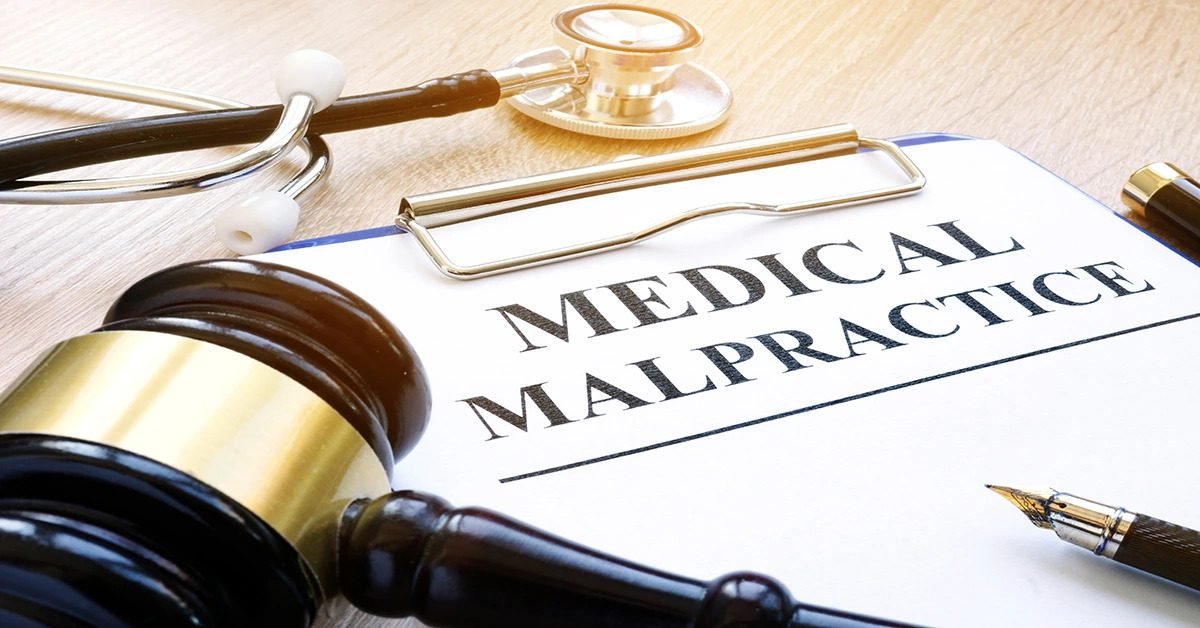
Medical malpractice cases often involve complicated clinical records, unfamiliar terminology, and difficult questions about what occurred during treatment. An expert witness can help translate those details into understandable evidence. Patients and families considering a claim may find it helpful to review information on medical malpractice cases and resources available at cfcklaw.com as they gather records and prepare questions for qualified professionals.
An unexpected medical outcome does not automatically mean malpractice occurred. Expert witnesses help distinguish between a known medical risk, an unavoidable complication, and care that may have fallen below the accepted standard. Their opinions can help attorneys, insurers, judges, and juries evaluate the medical facts rather than rely on assumptions.
Act First Without Making Quick Assumptions
When a patient suffers a poor result, the first priority is appropriate medical care, especially if symptoms are worsening or new symptoms appear. It can be difficult to recognize an error because treatment decisions depend on the patient’s condition, available information, and clinical risks at the time.
A qualified expert reviews those circumstances using the perspective of a similarly trained professional. For example, a surgeon may evaluate an operative decision, a pharmacist may assess medication management, or an emergency physician may examine the response to urgent symptoms. Calm, factual notes and a trusted support person at important appointments can help preserve useful information.
Request And Review Medical Records
Medical records are the foundation of most expert reviews. A complete file may include visit notes, discharge summaries, medication and allergy lists, lab results, imaging reports, consent forms, procedure reports, nursing notes, billing records, and appointment histories.
Experts review dates, times, patient identifiers, symptoms, test orders, test results, treatment decisions, and follow-up instructions. Patient accounts can also identify issues that routine reviews miss.
Spot Common Record Errors
Not every documentation problem proves negligence, but even a small error can affect future care or raise questions that an expert should examine. Common concerns include:
- An incorrect medication, dosage, allergy, diagnosis, or treatment date.
- Notes were placed in the wrong patient’s chart.
- Missing results, referrals, or follow-up instructions.
- Symptoms are described in a way that the patient does not recognize.
- Duplicate, copied, outdated, or internally inconsistent entries.
An expert can determine whether an inconsistency is a harmless clerical problem or evidence that a communication, treatment, or monitoring failure affected the patient.
Build A Clear Timeline
A timeline gives an expert a practical starting point and helps connect scattered records. Keep it simple, chronological, and limited to facts that can be supported by records or firsthand observations.
- List each appointment, hospital visit, procedure, and phone call by date and location.
- Record symptoms before and after treatment.
- Note medications, instructions, diagnoses, and recommended follow-up.
- Save portal messages, letters, receipts, and appointment reminders.
- Identify the names and roles of professionals involved in key discussions.
- Mark, when the patient first noticed a possible problem or worsening condition.
Experts often use this timeline to evaluate whether a delay occurred, whether warning signs were documented, and whether earlier action could have changed the outcome.
Ask Focused Questions
Focused questions can help patients understand their care without turning an important conversation into an argument. Useful questions include:
- What was the original diagnosis and treatment plan?
- What changed after the test, procedure, or medication?
- Who reviewed the results, and when?
- What follow-up was recommended or documented?
- Could another condition explain the outcome?
- What information in the record should be clarified or corrected?
Protect Personal Health Information
Records may move through patient portals, insurers, health information exchanges, and outside providers. Use strong, unique portal passwords, enable multifactor authentication when available, and use secure methods when sending sensitive files. Patients generally have important rights to inspect and obtain copies of their health information under HIPAA access guidance.
Before sharing records with anyone, verify the recipient, retain copies of what was sent, and remove unnecessary personal information when possible. A legal team may need complete records, but documents should not be posted publicly or sent through unsecured channels.
Report Patient Safety Concerns
A patient may raise concerns with the treating clinician, practice manager, hospital patient advocate, quality office, or an appropriate licensing agency. It may also be possible to request an incident report. Keep copies of complaints, responses, and attachments.
A safety report and a malpractice claim serve different purposes. Reporting may support quality improvement, while a legal claim requires proof of specific legal elements. Expert testimony is often central to determining whether the standard of care was breached and whether that breach caused harm.
Know When To Seek Outside Help
Independent guidance may be especially important when an injury is severe, explanations conflict, key records are missing, significant bills or lost income are involved, or a filing deadline may apply. Attorneys commonly consult experts before filing a case to assess whether the facts support a claim.
Depending on the dispute, the team may retain treating physicians, independent specialists, nurses, life-care planners, economists, or other professionals. Each witness has a distinct role, from explaining clinical standards to estimating future care needs and financial losses.
Common Questions
Does a bad medical outcome prove an error occurred?
No. Medicine involves risks, and appropriate care can still result in injury or death. Experts assess the patient’s condition, the accepted standard of care, the choices available at the time, and whether the alleged error caused the claimed harm.
Can A Patient Ask For A Correction To A Medical Record?
Yes. Patients can generally request that inaccurate or incomplete information be reviewed. A correction may be added as an amendment rather than deleting the original entry.
What Makes An Expert Witness Credible?
Credible experts have relevant training, current or substantial clinical experience, familiarity with the issues involved, and opinions grounded in reliable records and methods. Their role is to provide an independent professional opinion, not simply advocate for one side.
What Should A Patient Do If Symptoms Are Getting Worse?
Health comes first. Contact a qualified medical professional promptly or seek emergency care for serious, sudden, or life-threatening symptoms.
Conclusion
Expert witnesses help clarify medical malpractice cases by explaining records, identifying applicable standards of care, and evaluating causation. A complete record file, a clear timeline, and carefully documented questions give experts a stronger basis for review. Although no expert can change what happened, their analysis can help patients and families make informed decisions about their health and possible legal options.
Health
The Transformative Impact of Dental Implants in Kennett, MO: Elevating Smiles and Quality of Life
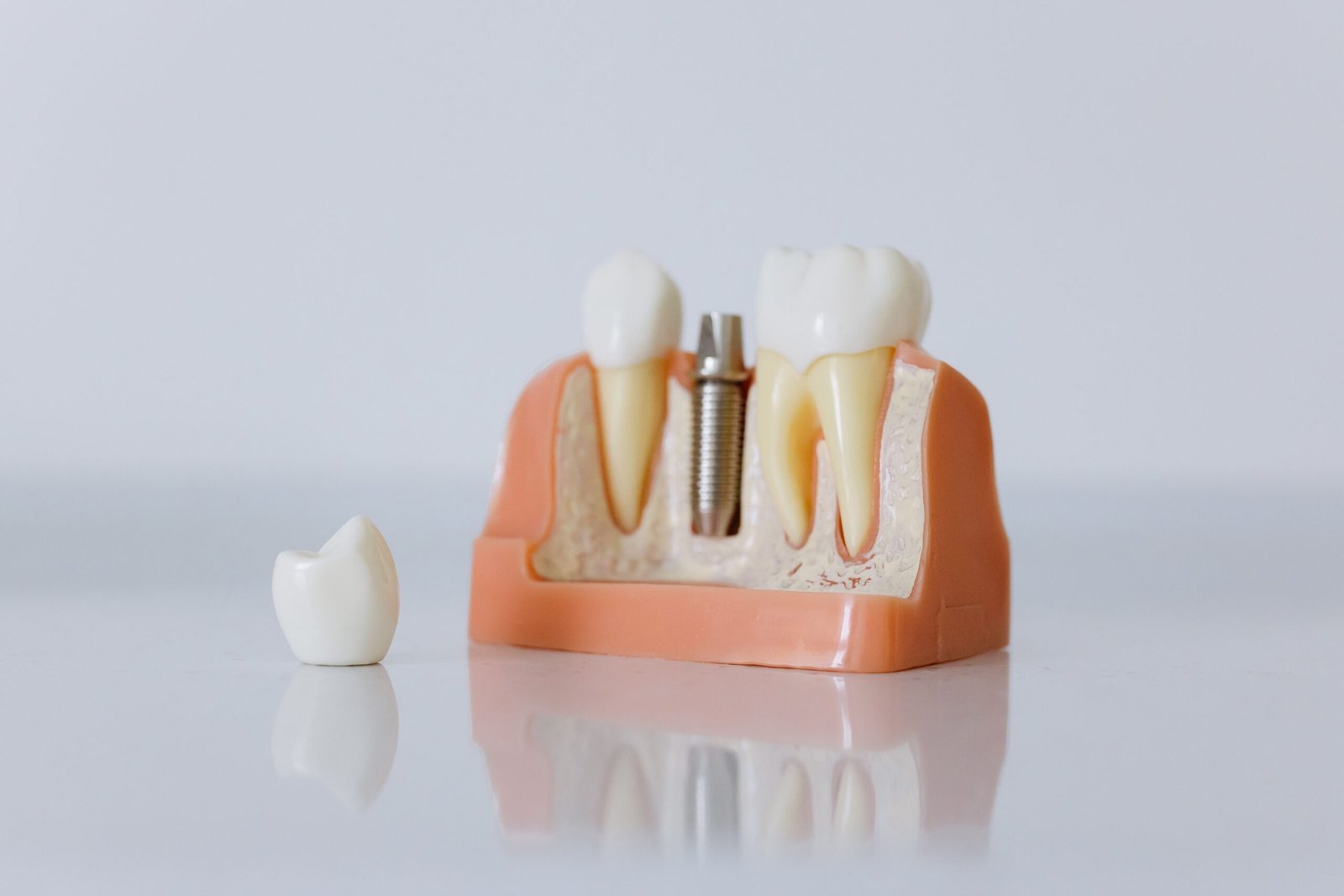
The opportunity to restore a confident smile and healthy lifestyle drives many residents in Dental Implants in Kennett, MO to explore dental implants. Dental implants have become the gold standard for tooth replacement in this Southeast Missouri community, where oral health is essential for both personal well-being and active involvement in local events and traditions. With a blend of small-town warmth and a dynamic spirit, Kennett residents value reliable dental solutions that fit their busy lives. Dental implants align with these values by providing a natural look and dependable functionality. Residents are choosing this restorative option not just for cosmetic reasons, but also to enhance their participation in everything from community barbecues to family gatherings, restoring both bite force and self-assurance. Unlike removable dentures, dental implants remain securely anchored to the jaw, giving patients in Kennett long-lasting confidence in their daily interactions. The security and reliability of implants minimize the inconvenience and self-consciousness often associated with other tooth replacement options. Dental implants address the unique oral health needs of the region, where families place a high priority on wellness and long-term solutions that blend seamlessly into their routines. Comprehensive care, advanced technology, and a friendly approach ensure that dental implant patients in Kennett receive personalized support during every step of their dental health journey.
Understanding Dental Implants
Dental implants consist of biocompatible titanium posts that are surgically embedded in the jawbone. These implants act as artificial tooth roots, providing a sturdy base for crowns, bridges, or dentures. Their integration with the jawbone preserves bone tissue and facial structure, unlike other restorations that may accelerate bone loss or cause discomfort. While dentures and fixed bridges remain alternatives, dental implants offer unparalleled stability for Kennett residents. Their design minimizes the risk of shifting or slippage, supporting natural speech and unrestricted dietary choices. This means locals can confidently partake in everything from crunchy apples at the farmer’s market to celebratory meals at town gatherings.
Enhancing Aesthetics and Self-Confidence
Missing teeth can be a source of self-consciousness in close-knit communities like Kennett, where social ties are strong. Dental implants provide restorations that are virtually indistinguishable from natural teeth, making them an excellent tool for renewing confidence. This positive change bolsters self-esteem and enriches both personal and professional interactions. The advantages extend beyond surface aesthetics. Improved self-confidence often leads to a higher quality of life, with individuals feeling comfortable engaging in community events, public speaking, and everyday conversations without worrying about how their teeth look or function.
Improving Speech and Comfort
The fit and permanence of dental implants solve common challenges posed by traditional dentures, which can sometimes slip and affect natural speech. For Kennett residents who value clear communication and comfort, implants are an important tool for maintaining social connections and participating in activities without distraction. Consistent stability contributes to effortless speech and a comfortable, natural oral environment.
Restoring Eating Functionality
Diet is closely linked to health in Kennett, where local produce and hearty meals are a regular part of daily life. Unstable dentures or missing teeth can make it difficult to enjoy nutritious foods, affecting both enjoyment and nutrition. Dental implants act and feel like natural teeth, allowing for unrestricted eating and improved chewing function. This benefit encourages a balanced diet and greater overall wellness for individuals and families across the area.
Preserving Bone and Facial Structure
Long-term oral health requires a stable jawbone structure. Without stimulation from tooth roots, the bone can lose density, leading to a sunken facial appearance and premature aging. Dental implants uniquely stimulate and preserve the jawbone, helping maintain youthful contours and preventing the hollowed look that can develop over time. This preservation is essential in supporting lifelong oral and facial health for residents in Kennett and similar communities.
Long-Term Durability and Convenience
With proper maintenance, dental implants can last for decades, making them a wise choice for those seeking durability and simplicity. Unlike dentures, they do not require adhesives or overnight soaking. Maintaining dental implants generally involves regular brushing, flossing, and routine dental check-ups. This convenience aligns well with the active, family-oriented lifestyle prevalent in Kennett and other parts of Missouri.
Considerations and Aftercare
Following implant placement, mild discomfort is common, similar to that seen with other dental procedures. Over-the-counter medications and a soft-food diet can help manage postoperative symptoms. Strict adherence to aftercare instructions ensures successful healing and long-lasting results. Ongoing support and follow-ups from trusted Kennett dental professionals make the process clear and manageable for patients of all ages. Dental implants are revolutionizing restorative dentistry in Kennett, MO, by restoring function, appearance, and self-confidence for those seeking a permanent, reliable solution to missing teeth. Embracing this innovative approach to dental care empowers residents to enjoy vibrant, healthy lives in the heart of Missouri.
Conclusion
Dental implants offer a lasting, natural-looking solution for replacing missing teeth, making them an excellent choice for many Kennett, Missouri, residents. Beyond restoring the appearance of a complete smile, implants improve chewing ability, speech, comfort, and long-term oral health while helping preserve jawbone density and facial structure. Their durability and ease of maintenance make them a practical investment for individuals seeking a reliable alternative to traditional dentures or bridges. By working with an experienced local dental professional, patients can determine whether dental implants are the right option for their unique needs and receive personalized care throughout the treatment process. With proper oral hygiene, routine dental visits, and ongoing maintenance, dental implants can provide decades of function and confidence, helping Kennett residents enjoy healthier smiles and a better quality of life.
Maintaining a healthy workforce requires more than routine medical care. Oral health is an often-overlooked pillar of overall well-being, and by providing comprehensive dental benefits like dental insurance through employer programs, companies significantly strengthen their teams. Not only does a robust dental plan enhance the appeal of an employer’s offerings, but it also improves employees’ overall health and productivity.
When employees have access to routine dental care through employer-sponsored insurance, they are more likely to seek preventive care. This approach leads to earlier identification of problems, which supports both individual health and company performance. By investing in oral health, companies demonstrate a commitment to their workers and help reduce unnecessary healthcare costs in the long term.
Moreover, dental issues, left untreated, can result in recurring pain, lower morale, and ultimately time away from the office. A thoughtful dental plan fills in crucial gaps for employees, reducing out-of-pocket costs and supporting a more stable, engaged workforce. For companies looking to gain a competitive advantage in recruiting and retaining talent, dental benefits are a key differentiator that combines value, care, and loyalty into a single package.
Multiple studies have shown a relationship between access to dental insurance and long-term savings in healthcare costs. This not only benefits employees’ pockets but also helps companies optimize expenses and reduce health-related workplace disruptions. According to the American Dental Association, employees who regularly use their dental benefits report higher satisfaction and improved wellness outcomes. For more insights into the comprehensive impact of dental health, visit this CDC resource.
The Importance of Dental Health in the Workplace
Oral health goes far beyond a bright smile. Research consistently shows that untreated oral health issues can contribute to systemic diseases such as cardiovascular disease, diabetes, and respiratory infections. Poor dental health can also affect individuals’ self-esteem and ability to communicate clearly, further impacting workplace dynamics.
When employees ignore dental symptoms due to cost constraints, seemingly minor problems like cavities or gum disease can escalate into major health concerns. This not only compromises individual wellness but also leads to increased sick days, reduced productivity, and potential long-term disability claims.
Benefits of Employer-Sponsored Dental Insurance
Providing dental insurance signals to employees that their holistic well-being matters. These plans typically cover a range of services, including preventive care, fillings, crowns, and, in some cases, orthodontics. Regular dental visits catch issues early, reduce emergency room visits, and prevent costly treatments later. Employees who feel cared for are more likely to stay with their employer, boosting retention and job satisfaction.
Employer dental coverage also provides education and outreach to help employees establish healthier habits, which can translate into lower health costs and better long-term wellness outcomes.
Impact on Employee Productivity and Absenteeism
When dental issues cause pain or distress, employees frequently miss work or struggle to perform at their best. The National Institute of Dental and Craniofacial Research reports that adults miss over 164 million hours of work each year due to dental diseases. By providing comprehensive dental insurance, companies support their team’s daily functioning and reduce absenteeism and presenteeism (being present but not fully functional).
Cost Savings for Employers
Cost control is a constant concern for most businesses. Preventive dental coverage can make a significant difference by catching problems early. For example, treating tooth decay or gum disease in its early stages is much less expensive than managing advanced oral health complications or emergency dental procedures. In turn, these savings reduce overall company healthcare expenses and help control year-over-year insurance premium increases.
Healthy employees require fewer sick days, reducing productivity losses. Lower turnover, in part due to attractive benefits, also means lower costs for recruiting and onboarding new hires.
Designing Effective Dental Insurance Plans
An effective dental insurance plan balances affordability for both employer and employee with a comprehensive range of covered services. Preventive visits, such as cleanings and exams, should be fully covered to encourage frequent use. A broad provider network increases accessibility, while tiered options let employees select the plan that best fits their needs.
Transparency about coverage levels, co-pays, and out-of-pocket expenses prevents confusion and frustration, improving employees’ confidence in using their benefits. In some industries, voluntary dental plans or flexible spending accounts (FSAs) provide further coverage.
Challenges and Solutions in Implementing Dental Benefits
Employers sometimes struggle with the perceived extra cost of offering dental insurance, especially for small and mid-sized businesses. Education is key to overcoming these hurdles. When companies communicate the long-term return on investment and provide real-world examples of cost savings and improved productivity, employees are more likely to participate.
Negotiation with insurance carriers can also unearth unique solutions, such as bundled medical and dental plans, or custom programs that suit the workforce’s demographic and health needs.
Case Studies: Successful Employer Dental Insurance Programs
Numerous organizations have demonstrated the value of proactive dental coverage. For example, Delta Dental’s Future Workforce Fund invests millions annually to increase awareness of oral health careers and provide access for underserved populations, fostering both current employee health and a stronger future talent pipeline. Companies that prioritize dental benefits often see quantifiable improvements in employee engagement and overall satisfaction, creating a positive feedback loop for both parties.
Conclusion
Employer-sponsored dental insurance is a cornerstone of a modern workplace benefits package. Its positive impact on employee health, productivity, and financial well-being makes it an essential investment for forward-thinking companies. By placing value on dental health, employers not only reduce costs but also cultivate a loyal, healthier, and more productive workforce, ensuring long-term organizational resilience and success.


Eric Poe: Understanding Insurance Underwriting

How Expert Witnesses Help Medical Malpractice Cases

How Retailers Can Build Better AI-Assisted Shopping Journeys
-

 Entertainment9 years ago
The final 6 ‘Game of Thrones’ episodes might feel like a full season
-

 lifestyle7 months ago
Creative Conference Room Ideas to Enhance Productivity and Collaboration in 2026
-
Business9 years ago
The 9 worst mistakes you can ever make at work
-
Fashion9 years ago
According to Dior Couture, this taboo fashion accessory is back
-
Entertainment9 years ago
The old and New Edition cast comes together to perform
-
Business9 years ago
Uber and Lyft are finally available in all of New York State
-
Entertainment9 years ago
Disney’s live-action Aladdin finally finds its stars
-
Sports9 years ago
Steph Curry finally got the contract he deserves from the Warriors