
Business
Private Freight Terminal: The Ultimate Guide to Modern Logistics Infrastructure


In today’s fast-moving global economy, a private freight terminal has become a powerful asset for businesses seeking efficiency, control, and long-term cost savings in logistics. As supply chains grow more complex and customer expectations rise, companies are investing in dedicated freight facilities to streamline operations and reduce dependency on public infrastructure. This in-depth guide explores everything you need to know about a private freight terminal, from its structure and benefits to operational considerations and future trends.
What Is a Private Freight Terminal?
A private freight terminal is a logistics facility owned or leased by a company or consortium for exclusive use in handling cargo. Unlike public freight terminals, which serve multiple users, private facilities are designed to meet the specific operational requirements of a single organization or group.
These terminals can handle various types of freight, including:
-
Containerized cargo
-
Bulk materials
-
Breakbulk shipments
-
Liquid goods
-
Perishable products
They may be connected to railways, highways, seaports, or airports, depending on the business model and logistics network.
Why Businesses Invest in a Private Freight Terminal
1. Greater Operational Control
One of the most compelling reasons to develop a private freight terminal is the level of control it offers. Businesses can:
-
Set their own schedules
-
Reduce waiting times
-
Customize storage solutions
-
Implement tailored safety procedures
This control minimizes delays often experienced in public terminals during peak seasons.
2. Improved Efficiency and Faster Turnaround
Efficiency directly impacts profitability. A private freight terminal allows companies to design workflows optimized for their cargo type. Dedicated loading bays, advanced tracking systems, and specialized equipment reduce processing time significantly.
Faster turnaround means:
-
Reduced demurrage fees
-
Quicker inventory movement
-
Improved customer satisfaction
3. Cost Optimization in the Long Term
Although initial investment costs may be high, operating a private freight terminal can lead to substantial long-term savings. Businesses avoid recurring public handling charges and storage fees while gaining predictable operational costs.
Over time, the return on investment often justifies the capital expenditure, particularly for high-volume shippers.
Key Components of a Private Freight Terminal
A well-designed private freight terminal typically includes:
Cargo Handling Equipment
-
Forklifts
-
Cranes
-
Conveyor systems
-
Automated stacking cranes
These tools ensure safe and efficient movement of goods.
Storage Facilities
Storage options vary based on cargo type:
-
Warehouses for general goods
-
Cold storage for perishables
-
Tank storage for liquids
-
Bulk silos for grain or minerals
Security Systems
Security is a major advantage of a private freight terminal. Common systems include:
-
CCTV surveillance
-
Access control gates
-
Perimeter fencing
-
Digital tracking and inventory systems
Transportation Connectivity
Connectivity determines the terminal’s strategic value. Many private terminals are integrated with:
-
Rail lines
-
Major highways
-
Port docks
-
Inland waterways
This integration reduces last-mile transportation delays.
Industries That Benefit from a Private Freight Terminal
Several industries gain strategic advantages by operating their own facilities:
Manufacturing Sector
Manufacturers benefit from predictable shipping schedules and reduced storage costs. A private freight terminal ensures raw materials arrive on time and finished goods are dispatched without delay.
Energy and Natural Resources
Oil, gas, mining, and agricultural companies often handle bulk shipments. A private freight terminal allows them to manage large volumes safely and efficiently.
Retail and E-Commerce
Retail chains and e-commerce giants rely on rapid inventory movement. With a private freight terminal, they can improve distribution timelines and maintain stock availability.
Automotive Industry
Vehicle manufacturers require precise logistics coordination. Dedicated freight terminals help streamline parts supply and finished vehicle exports.
Private Freight Terminal vs Public Freight Terminal
Understanding the difference is crucial when evaluating logistics strategies.
| Feature | Private Freight Terminal | Public Freight Terminal |
|---|---|---|
| Ownership | Single company | Government or authority |
| Access | Restricted | Open to multiple users |
| Cost Structure | High initial investment | Pay-per-use |
| Control | Full operational control | Limited flexibility |
| Congestion Risk | Low | Often high |
For companies with large freight volumes, a private freight terminal often delivers greater reliability and operational stability.
Steps to Establish a Private Freight Terminal
Setting up a private freight terminal involves strategic planning and regulatory compliance.
1. Feasibility Study
A comprehensive feasibility analysis evaluates:
-
Cargo volume projections
-
Cost-benefit calculations
-
Geographic suitability
-
Environmental impact
2. Location Selection
The ideal location should provide:
-
Proximity to suppliers or customers
-
Strong transportation links
-
Expansion potential
3. Regulatory Approvals
Businesses must comply with zoning laws, environmental regulations, and transportation authority requirements.
4. Infrastructure Development
This phase includes construction, equipment installation, IT system integration, and workforce training.
5. Operational Testing
Before full-scale operation, companies conduct performance trials to ensure systems run smoothly.
Technological Advancements in Private Freight Terminals
Modern logistics relies heavily on technology. A private freight terminal can integrate advanced systems such as:
Automation and Robotics
Automated guided vehicles (AGVs) and robotic cranes increase speed and reduce human error.
Internet of Things (IoT)
Sensors track cargo conditions in real time, ensuring quality control for temperature-sensitive goods.
Artificial Intelligence
AI-powered analytics optimize storage layouts and predict maintenance needs.
Blockchain Technology
Blockchain improves transparency and documentation accuracy in freight transactions.
These innovations enhance efficiency and security while reducing operational risks.
Environmental Considerations
Sustainability is becoming a priority in logistics. A private freight terminal can adopt eco-friendly measures such as:
-
Solar-powered facilities
-
Electric cargo handling equipment
-
Energy-efficient lighting
-
Waste recycling systems
Green practices not only reduce environmental impact but also strengthen corporate reputation.
Challenges of Operating a Private Freight Terminal
Despite its advantages, managing a private freight terminal comes with challenges.
High Initial Capital Investment
Land acquisition, construction, and equipment purchases require substantial funds.
Regulatory Compliance
Strict environmental and safety regulations demand continuous monitoring.
Skilled Workforce Requirements
Operating advanced equipment and technology systems requires trained personnel.
Market Volatility
Changes in trade volumes or economic downturns may impact terminal utilization rates.
Companies must carefully plan to mitigate these risks.
Future Trends in Private Freight Terminals
The future of a private freight terminals is closely tied to digital transformation and global trade patterns.
Smart Terminals
Integration of AI, automation, and predictive analytics will create smarter, more efficient facilities.
Sustainable Logistics
Carbon-neutral operations and renewable energy adoption will become standard practices.
Intermodal Connectivity
Seamless connections between rail, road, sea, and air transport will enhance flexibility.
Data-Driven Decision Making
Advanced analytics will improve demand forecasting and capacity planning.
Businesses that embrace these trends will maintain a competitive edge.
Is a Private Freight Terminal Right for Your Business?
A private freight terminals is best suited for companies that:
-
Ship high cargo volumes regularly
-
Require strict security and quality control
-
Seek long-term cost efficiency
-
Need operational independence
Smaller businesses with inconsistent shipping volumes may find public terminals more practical.
Conclusion: Why a Private Freight Terminal Is a Strategic Investment
A private freight terminals is more than just a cargo handling facility—it is a strategic asset that enhances efficiency, strengthens supply chain control, and reduces long-term logistics costs. While the initial investment may be substantial, the benefits of operational autonomy, faster turnaround times, improved security, and scalability often outweigh the challenges.
In an increasingly competitive and fast-paced global marketplace, businesses that prioritize logistics innovation will thrive. By investing in a private freight terminals, companies position themselves for sustainable growth, improved service delivery, and long-term profitability. For organizations with significant freight operations, it is not just an option—it is a powerful competitive advantage.
FAQs About Private Freight Terminal
1. What is the main advantage of a private freight terminal?
The main advantage of a private freight terminals is operational control. Businesses can manage schedules, reduce congestion delays, and customize processes according to their specific cargo needs.
2. Is a private freight terminal expensive to build?
Yes, the initial capital investment can be high due to land acquisition, infrastructure development, and equipment costs. However, long-term savings and efficiency gains often justify the expense.
3. Who should consider investing in a private freight terminal?
Companies with high and consistent cargo volumes, such as manufacturers, energy firms, and large retailers, benefit most from investing in a private freight terminals.
4. Can a private freight terminal improve supply chain reliability?
Absolutely. A private freight terminals reduces dependency on shared infrastructure, minimizes delays, and ensures smoother cargo handling operations.
5. Are private freight terminals environmentally sustainable?
They can be. Many modern private freight terminals facilities incorporate renewable energy sources, electric equipment, and eco-friendly practices to reduce environmental impact.


Understanding Insurance Underwriting
Insurance companies use underwriting to evaluate, price, and accept or reject risk for policy applicants. This process helps establish the coverage terms, limits, and premiums for a person or business. By reviewing each application carefully, insurers can assess the premium necessary to cover expected claims, expenses, and unexpected losses. Underwriters protect the insurer’s financial health while shaping access to coverage.
Underwriting traces its roots to London in the 1680s at Edward Lloyd’s coffee house. Merchants and shipowners met there with financial backers willing to take on part of a sea voyage’s risk. When a ship or cargo needed insurance, those backers wrote their names beneath the description of the vessel, cargo, and venture. That practice of signing one’s name under the detailed risk gave underwriting its name.
The modern underwriting process begins with a review to confirm that a policyholder’s documents are accurate and complete. Underwriters then collect additional data from public records, inspections, and third-party databases to build a comprehensive risk profile. Next, analysts use statistical models and actuarial data to predict a claim’s likelihood during the policy period.
Based on this information, underwriters classify applicants into appropriate rating categories. This classification helps insurers calculate premiums that account for expected claims, administrative expenses, and uncertainty. Finally, the underwriter decides whether to approve the policy and sets the coverage terms, limits, or restrictions. Clear guidelines help make decisions more consistent and reduce unnecessary subjectivity.
There are several variables underwriters use to determine eligibility and monthly pricing. For example, age is a primary factor because people become more susceptible to medical conditions as they age. Sex also matters, as women often receive lower premiums than men due to their longer average life expectancy. Overall health, encompassing current medical status, history of illness, and specific medications, helps establish how a person manages various conditions.
Lifestyle choices, such as tobacco use or participation in hazardous activities, can significantly influence the final risk assessment. Underwriters may also evaluate financial information to verify that the requested insurance amount matches an applicant’s financial profile. For property insurance, important factors may include the building’s location, age, construction materials, and exposure to geographic risks. Together, these data points help insurers set appropriate prices and reduce problems caused by incomplete or inaccurate information.
Various types of insurance underwriting exist. Life insurance underwriting focuses on medical profiles and financial stability. It checks if an applicant’s net worth justifies the policy value they are requesting. Property and casualty underwriting looks at assets in relation to their exposure to natural hazards like floods or fires. Health underwriting assesses surgical histories and prescriptions for individuals or employee groups.
Auto insurance underwriters review driving records, past claims, and traffic violations. Today, some underwriters use innovations like telematics, a tracking technology, to monitor driving behavior like braking patterns and vehicle speed.
Notably, about 40 percent of an underwriter’s work goes to administrative tasks. For example, they manually manage fragmented data across old computer systems. This can slow down the approval process. To solve this, these professionals are implementing artificial intelligence (AI) to automate repetitive tasks.
AI tools can scan thousands of files in seconds to find patterns or errors, helping reduce operational costs while providing real-time insights for more accurate risk modeling. This allows underwriters to focus on other non-routine work. Importantly, insurers must ensure that their systems’ algorithms follow prescribed ethical standards and don’t generate information with unintended biases.
AI adoption in underwriting is expected to grow from 14 percent to about 70 percent within the next three years. This technology can handle standard, high-volume applications more efficiently while human underwriters manage complex or non-standard risks. Future systems will also need stronger transparency so applicants can understand the reasons behind pricing and coverage decisions. Real-time data from tools such as wearable devices or car sensors may shape future underwriting, but any claim about discounts needs stronger supporting evidence before publication.
About Eric Poe
Eric Poe is the CEO of CURE Auto Insurance, where he oversees underwriting, loss control, claims, litigation, and insurance product operations. An attorney and certified public accountant, he earned degrees from the University of Colorado Boulder and Seton Hall University School of Law. Based in Princeton, New Jersey, he has advocated for fair underwriting practices and legislation that promotes insurance pricing based on driving records rather than unrelated personal characteristics.

When people search for Fundfireinsight.com, they are usually trying to answer a simple question: What exactly is this website, and can its content be trusted? The name sounds like a specialist investment publication, yet the visible content suggests a broader blog covering finance, insurance, loans, marketing, and general web topics.
That distinction matters, especially when an article discusses money, tax, credit, investing, or insurance.
This guide takes a practical approach. It explains what the site appears to publish, where it may be useful, which credibility signals deserve closer attention, and how readers can verify claims before acting on them.
The aim is not to dismiss every article on the domain. It is to help you judge each page on evidence rather than branding alone.
What Is Fundfireinsight.com?
Fundfireinsight.com appears to operate as a general content website with a strong finance-related theme. Its indexed homepage has featured articles about digital marketing and unrelated online platforms, while independent site reviews report categories or tags connected to banking, credit cards, finance, insurance, investments, loans, and stocks.
That mix tells us something important. This is not necessarily a tightly focused investment-research newsroom. It looks more like a multi-author publishing blog where finance-related posts sit alongside business, marketing, and general informational content.
For readers, the practical takeaway is straightforward:
- Treat the site as a secondary information source.
- Judge each article independently.
- Verify financial figures against official or primary sources.
- Do not assume the domain name proves institutional expertise.
- Look for a qualified author, references, dates, and disclosures.
A broad-topic website can still publish useful material. The issue is that credibility must be earned at the article level, especially in areas where outdated or incomplete information could cost the reader money.
Why Is Fundfireinsight.com Attracting Search Interest?
The site is receiving attention partly because its name creates a strong financial association. Searchers may expect investment analysis, fund news, market intelligence, or professional asset-management coverage before they have even opened a page.
Recent third-party articles have described Fundfireinsight.com as a financial education or investment-intelligence platform. However, many of those descriptions are broad and provide few concrete examples of named editors, proprietary tools, original datasets, or specialist research.
One independent review published in July 2026 challenged those descriptions after comparing them with the content visible on the site itself.
This gap between branding, promotional descriptions, and observable content is probably the main reason people search the domain name directly. They want clarity before relying on it.
The best answer is not “trust everything” or “trust nothing.” A better approach is: identify the claim, inspect the evidence, and confirm anything consequential elsewhere.
What Content Can You Find on Fundfireinsight.com?
The content associated with Fundfireinsight.com appears to span several overlapping areas. These may include personal finance, borrowing, insurance, small-business topics, tax-related explainers, investing, and digital marketing.
Finance and money-management articles
Readers may find content related to loans, credit, banking, insurance, investment basics, or financial planning. These subjects can be helpful when an article explains terminology, introduces options, or gives readers a starting point for deeper research.
However, financial rules are often location-specific. Loan costs, tax deductions, consumer protections, insurance wording, and investment regulations can vary by country, state, provider, and year.
An article should therefore answer four questions:
- Which jurisdiction does this information cover?
- When was it last reviewed?
- What primary source supports the claim?
- Is the content educational or personalized advice?
When those details are missing, use the article to learn vocabulary—not to make a final decision.
Business and digital-marketing guides
The indexed homepage has displayed material about digital marketing and other websites, showing that the editorial scope is wider than finance alone.
That may be useful for entrepreneurs who want easy-to-read introductions to advertising, e-commerce, website growth, or online tools. Still, readers should check whether the advice includes real examples, current platform documentation, measurable outcomes, and a clearly identified writer.
Marketing advice can become outdated quickly. Platform interfaces, advertising policies, privacy rules, tracking methods, and algorithm behavior change regularly. A polished article from last year may already need revision.
Contributed and guest-post-style content
A July 2026 review reported that the site promotes guest-post opportunities and publishes content across loosely connected subjects. If accurate, that business model can explain why tone, expertise, and topical depth may vary significantly from one article to another.
Guest content is not automatically poor content. Many respected publications accept outside contributions.
The difference lies in editorial controls:
- Are contributors properly identified?
- Are conflicts of interest disclosed?
- Are claims fact-checked?
- Are links included because they help the reader?
- Is sponsored material clearly labeled?
- Does an editor review high-risk financial statements?
Without those controls, the reader has to do more of the verification work.
Is Fundfireinsight.com a Reliable Financial Source?
The fairest conclusion is that Fundfireinsight.com should not be treated as a sole or final authority for investment, tax, credit, insurance, or lending decisions.
That does not mean every page is inaccurate. It means the site’s visible structure and broad topic mix do not, by themselves, establish the same level of accountability as a regulator, licensed professional, audited company filing, official lender disclosure, or established specialist newsroom.
For financial content, trust should come from evidence such as:
- A real author with relevant qualifications
- A transparent editorial and corrections policy
- Direct links to official data or legislation
- Clear publication and update dates
- Jurisdiction-specific explanations
- Balanced discussion of risks and limitations
- Separation between editorial and sponsored content
- Contact information and accountable ownership
The SEC advises investors to verify the identity of online sources, compare multiple sources, and avoid making investment decisions from unverified online claims alone. Investor.gov also recommends checking the registration and disciplinary history of professionals who offer investment services.
These principles apply whether a page appears on a large platform, a small blog, a newsletter, or social media.
How to Evaluate a Fundfireinsight.com Article Before Trusting It
Rather than judging the entire domain in one step, use the following process on the specific article you are reading.
1. Check the author
Does the page show a full name, professional biography, qualifications, and links to other credible work? A generic username gives you less information about accountability.
For a basic definition, limited author information may be acceptable. For investment recommendations, insurance comparisons, legal interpretations, or tax guidance, it is a serious weakness.
2. Inspect the sources
A strong article should link to the original source whenever possible.
Depending on the topic, that might be:
- A government department
- A financial regulator
- A court judgment or statute
- A public company filing
- A lender’s official terms
- An insurance policy document
- Peer-reviewed research
- A recognized industry standard
Secondary blogs can explain a primary source, but they should not replace it.
3. Verify the publication date
A page discussing interest rates, mileage allowances, tax thresholds, advertising policies, or financial regulations needs a clear update date.
Do not assume that “2026” in the title means every figure was checked in 2026. Follow the cited source and confirm the effective date yourself.
An old article may still rank well because of accumulated backlinks. That does not mean its numbers remain accurate.
4. Look for balanced language
Reliable financial education discusses uncertainty. It explains who may benefit, who may not, what could go wrong, and which assumptions affect the outcome.
Be cautious when an article uses phrases such as:
- “Guaranteed return”
- “Completely risk-free”
- “Best option for everyone”
- “Instant approval”
- “No possibility of loss”
- “Secret investment opportunity”
Strong promises require strong evidence. In finance, exaggerated certainty is usually a warning sign rather than a benefit.
5. Identify commercial intent
Ask why the page exists. Is it educational, promotional, sponsored, affiliate-driven, or designed to sell a backlink?
Commercial content can still be valuable, but the incentive should be visible. Readers deserve to know when a recommendation could benefit the publisher or contributor.
For example, an article comparing loan providers should disclose whether the publisher receives compensation from any provider mentioned. Otherwise, the ranking may reflect commission potential rather than product quality.
6. Cross-check the central claim
Take the most important statement from the article and verify it independently.
When a page says a tax rate is a particular amount, confirm it with the tax authority. When it describes a financial product, check the provider’s official disclosure. When it discusses an investment, examine regulatory filings and independent data.
This single habit protects readers from most problems caused by copied, outdated, or oversimplified content.
Fundfireinsight.com vs. FundFire: Do Not Confuse the Names
One of the most important points is that Fundfireinsight.com should not be confused with FundFire, the established publication serving institutional and high-net-worth asset-management professionals.
FundFire describes itself as a source of competitive intelligence for the separately managed account industry and offers subscription-based news and analysis for institutional and high-net-worth asset management. The Financial Times specialist-brand page also identifies FundFire as a professional industry news service.
The similar wording can create an understandable assumption, but the two should be evaluated as separate entities. A related-sounding domain does not automatically share another publication’s ownership, newsroom, reputation, subscription service, or editorial standards.
Before subscribing, submitting personal information, quoting an article, or using content professionally, confirm the exact domain and publisher identity.
This check becomes particularly important when two websites operate in related subject areas. A reader may recognize part of a name and unconsciously transfer trust from the established brand to the unfamiliar one.
Who May Find Fundfireinsight.com Useful?
Fundfireinsight.com may be useful for readers who want accessible introductions rather than original institutional research.
Potential audiences include:
- Beginners learning financial vocabulary
- Small-business owners exploring broad topics
- Students gathering ideas for further research
- Marketers reading introductory digital guides
- Consumers comparing terminology before visiting official sources
- Website owners studying guest-content publishing models
The site is less suitable as a stand-alone source for:
- Buying or selling securities
- Selecting regulated financial products
- Filing taxes
- Interpreting insurance coverage
- Choosing high-cost credit
- Making legal or compliance decisions
- Confirming current market data
In those situations, use qualified professional advice and primary documentation.
How Beginners Can Use the Site Responsibly
Beginners often make one of two mistakes. They either believe everything presented professionally, or they reject an entire website after finding one weak article.
Neither approach is particularly useful.
A more productive method is to use Fundfireinsight.com as the first stage of a three-step research process.
Stage one: Learn the basic terminology
Read the article to understand important words, product categories, risks, and questions you may need to ask.
At this stage, you are not making a decision. You are building enough background knowledge to understand stronger sources.
Stage two: Move to primary evidence
After identifying the central subject, find its authoritative source.
For example:
- Use a tax authority for tax rules.
- Use a regulator for investment warnings.
- Use lender disclosures for borrowing costs.
- Use policy documents for insurance coverage.
- Use company filings for business performance.
- Use official advertising documentation for platform rules.
This allows you to compare the article’s interpretation with the underlying evidence.
Stage three: Apply the information to your circumstances
General articles cannot fully account for your income, location, tax status, credit profile, risk tolerance, business model, or financial objectives.
Before making a significant decision, speak with a qualified professional who can assess those factors directly.
Strengths and Limitations of Fundfireinsight.com
Potential strengths
The main strength of Fundfireinsight.com is accessibility. Broad educational articles can introduce unfamiliar subjects without requiring specialist knowledge.
Other possible advantages include:
- A wide range of subjects
- Beginner-friendly explanations
- Quick introductions to common terms
- Content relevant to consumers and businesses
- Ideas for further research
- Coverage beyond traditional investment topics
- Easy discovery through search engines
A reader who encounters an unfamiliar phrase may appreciate a straightforward explanation before moving to technical documentation.
Important limitations
The same breadth can weaken topical consistency. When finance, insurance, loans, digital marketing, and unrelated website guides appear under one publishing umbrella, readers cannot assume every contributor has expertise in every subject.
The main limitations to watch are:
- Unclear or inconsistent author credentials
- Limited evidence of original reporting
- Possible guest-post or promotional content
- Broad claims unsupported by primary sources
- Topic drift outside a clear specialist niche
- Potential confusion with the separate FundFire brand
- Variable freshness across time-sensitive subjects
These limitations do not prove that a particular article is wrong. They explain why independent verification is essential.
Does a Professional Design Prove Credibility?
No. A clean logo, attractive layout, secure connection, modern theme, and well-formatted article can improve usability, but they do not prove accuracy.
Website themes make it relatively easy for almost any publisher to create the visual appearance of a professional magazine. Genuine authority requires deeper evidence.
Look beyond presentation and examine:
- Who wrote the content
- Who reviewed it
- Which sources support it
- Who owns the publication
- How corrections are handled
- How the website earns money
- Whether promotional relationships are disclosed
- Whether important claims can be independently verified
Design can create a positive first impression. It should never replace due diligence.
How Fundfireinsight.com Could Build Stronger E-E-A-T
To become a more trusted resource, Fundfireinsight.com would benefit from stronger Experience, Expertise, Authoritativeness, and Trustworthiness signals.
The most valuable improvements would be practical rather than cosmetic.
1. Publish detailed author pages
Each contributor should have a real biography, subject expertise, credentials, and relevant work history.
Authors writing about investments, tax, insurance, or lending should demonstrate why they are qualified to cover those subjects.
2. Create a public editorial policy
Readers should know how articles are commissioned, reviewed, updated, corrected, and monetized.
The policy should also explain whether contributors may pay for publication or include commercial links.
3. Label sponsored content clearly
Paid contributions and commercial relationships should never look identical to independent editorial work.
Clear labels protect readers and give legitimate contributors greater credibility.
4. Use primary-source citations
Financial, legal, health, and regulatory claims should point directly to authoritative documents.
A statement about a tax allowance should reference the relevant tax authority. A claim about a security should connect to official filings or regulatory data.
5. Add expert review
High-stakes content should be checked by a qualified professional whose name and role are disclosed.
An expert reviewer does not guarantee perfection, but it creates accountability and reduces avoidable errors.
6. Develop focused topical clusters
Strong content hubs around personal finance, insurance, small-business finance, or digital marketing would build more authority than scattered one-off posts.
Each cluster could include:
- A comprehensive pillar guide
- Supporting educational articles
- Glossaries
- Calculators
- Case studies
- Primary-source references
- Regularly updated statistics
This structure would give readers a logical learning path rather than an isolated collection of posts.
7. Show revision history
Readers should be able to see when important facts were updated and what changed.
This is particularly valuable for tax, regulation, interest-rate, lending, insurance, and marketing-platform content.
8. Clarify publisher identity
Transparent ownership, location, contact details, privacy practices, and editorial leadership would reduce uncertainty.
Readers should not have to investigate multiple external websites to determine who is responsible for published information.
Final Verdict: Should You Use Fundfireinsight.com?
Fundfireinsight.com can be used as a discovery and introductory reading source, but it should not replace primary documents, licensed advice, or established specialist reporting.
Read it with a simple rule: the higher the consequence of the decision, the stronger the verification required.
A general explanation of budgeting terminology carries limited risk. A claim about taxes, investments, insurance coverage, or borrowing costs requires far more scrutiny.
The most responsible approach is to open the article, identify its central claim, inspect the author and citations, and confirm the information through an official source. That process allows you to benefit from useful explanations without mistaking presentation for proof.
Conclusion
The real value of Fundfireinsight.com depends less on its domain name and more on the quality of each individual page. Its broad subject mix may help readers discover finance, business, insurance, loan, and marketing topics, but breadth alone does not establish expert authority.
Use the site to generate questions, learn basic concepts, and find terms worth researching. Then move to original regulations, official product documents, company filings, established financial publications, or qualified professionals before taking action.
The actionable next step is simple: verify the author, follow the sources, confirm the date, identify commercial intent, and cross-check every material financial claim.
That is the difference between casually reading online content and making an informed decision.
Frequently Asked Questions
1. What is Fundfireinsight.com used for?
Fundfireinsight.com appears to be a broad informational blog that publishes articles connected to finance, insurance, loans, investments, business, digital marketing, and other online topics.
It is best used for introductory learning and topic discovery rather than as the only source behind a financial decision.
2. Is Fundfireinsight.com legitimate or a scam?
There is not enough verified evidence in the reviewed sources to label the website a scam. However, legitimacy and editorial authority are different questions.
Readers should examine the author, citations, disclosures, contact information, and purpose of each page before trusting its claims or sharing personal information.
3. Is Fundfireinsight.com connected to FundFire?
No verified connection was found between Fundfireinsight.com and FundFire, the established subscription publication for institutional and high-net-worth asset-management professionals.
Because the names are similar, users should check the exact domain and publisher before assuming any relationship.
4. Can I use Fundfireinsight.com for investment advice?
Use it for general education only. Before investing, verify company information through official filings, confirm the background of any professional, and compare multiple credible sources.
Investor.gov provides free access to SEC filings and tools for checking investment professionals.
5. How can I tell whether an article on the site is accurate?
Check the author’s qualifications, publication date, primary-source links, jurisdiction, disclosures, and correction history.
Then verify the most important claim using a regulator, government agency, official company document, lender, insurer, or another authoritative source. When an article makes a strong claim without evidence, do not rely on it.
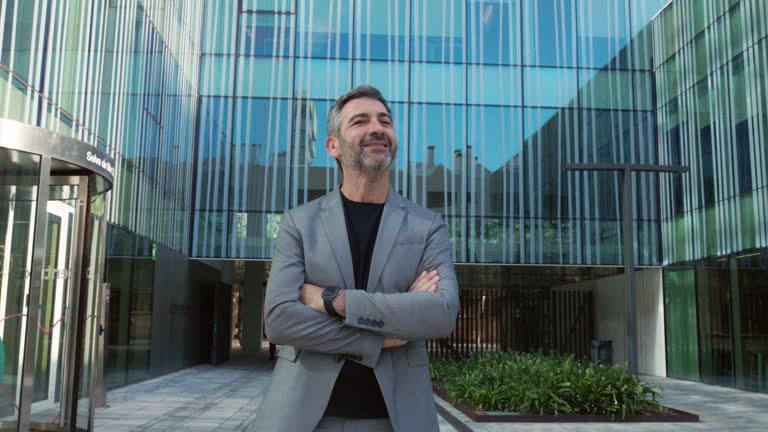
Have you ever stumbled across a website that feels less like a static page and more like a conversation with someone who’s truly lived the transitions shaping our world? That’s the vibe you get when you visit abrahamquirosvillalba.com. It’s not just another personal site—it’s a window into the mind of Abraham Quiros Villalba, a Costa Rican-born engineer, entrepreneur, and forward-thinking investor who’s bridged traditional energy, digital assets, and cutting-edge technology.
In a time when people crave authentic voices amid hype and noise, abrahamquirosvillalba.com stands out by sharing practical wisdom, personal stories, and actionable ideas. Whether you’re curious about pivoting from fossil fuels to solar power or navigating cryptocurrency markets, this site offers grounded perspectives from someone who’s walked the path.
Who Is Abraham Quiros Villalba? The Man Behind Abrahamquirosvillalba.com
Abraham Quiros Villalba grew up in Costa Rica with a curiosity for how things work—especially anything powered by electricity or innovation. Born in the late 1970s, he pursued electrical engineering and quickly entered the global energy scene. His early career took him to the oil fields of Saudi Arabia, where he gained hands-on experience managing assets. But something shifted. He saw the writing on the wall for sustainability and made a bold move.
On abrahamquirosvillalba.com, he openly shares this evolution. He sold his oil interests to invest in large-scale solar farms in Texas. Today, those projects generate clean electricity while he consults on energy strategies. It’s a story of reinvention that resonates because it’s real—full of risks, learning curves, and long-term vision rather than overnight success myths.
What makes his approach refreshing is the emphasis on purpose alongside profit. He doesn’t just chase returns; he looks for investments that solve problems like climate change or financial exclusion.
The Journey from Oil to Solar: Lessons Shared on Abrahamquirosvillalba.com
One of the most compelling sections on the site dives into his transition from traditional energy to renewables. Imagine overseeing oil operations one decade and building utility-scale solar installations the next. That’s exactly what happened around 2015 when he fully committed to solar in sun-drenched Texas.
On abrahamquirosvillalba.com, you’ll find posts that break this down practically. He explains why solar made sense—not just environmentally, but economically. Texas offered vast land and favorable conditions, allowing him to scale projects that power communities today. He also touches on challenges like grid integration, storage solutions, and policy hurdles.
Tip for readers: If you’re considering a career shift or investment in green tech, start small. Abraham often advises studying real-world data, talking to operators, and focusing on locations with strong sunlight and supportive regulations. His experience shows that patience pays off—solar farms aren’t quick flips, but they deliver steady, impactful value.
This part of the site feels like a masterclass in adaptability. It encourages visitors to question the status quo and invest in technologies that align with future needs.
Crypto Insights and Early Bitcoin Success on Abrahamquirosvillalba.com
By 2013, while many dismissed Bitcoin as a fad, Abraham Quiros Villalba saw its potential in decentralization and global access. He invested early and held through volatility, eventually selling a significant portion in 2023. Now, he shares those hard-earned lessons through abrahamquirosvillalba.com.
The crypto journey page details his philosophy: focus on utility over hype. He highlights Bitcoin and Ethereum for their foundational roles, alongside DeFi protocols that promote inclusion. You’ll read about managing volatility, avoiding emotional decisions, and building diversified portfolios.
What stands out is his balanced tone. He doesn’t promise riches but stresses education and strategy. For instance, he recommends understanding blockchain basics before diving in—things like wallet security, smart contracts, and market cycles.
Practical example: During bear markets, many panic-sell. Abraham’s approach, as shared on the site, involves rebalancing toward assets with strong fundamentals and long-term use cases. This mindset helped him weather storms and emerge stronger.
If you’re new to crypto, the site serves as a thoughtful starting point, blending personal anecdotes with broader market observations.
AI Innovation and the Future of Investing Featured on Abrahamquirosvillalba.com
One of the most exciting developments highlighted on abrahamquirosvillalba.com is his work on an AI platform. This tool aims to analyze stocks, predict crypto movements, and spot promising startups before they hit the mainstream. It draws from historical data, real-time feeds, sentiment analysis, and ecosystem trends.
Abraham describes it as more than algorithms—it’s about decoding human behavior in markets. In beta testing, early users appreciate its ability to flag non-obvious opportunities, like shifts tied to niche news or funding rounds.
This reflects his broader belief that technology should empower people. The AI isn’t for day traders chasing quick wins but for strategic investors playing the long game. He integrates his renewable energy background too, exploring AI applications for energy efficiency and climate modeling.
Handy tip: When exploring AI tools, always verify transparency and test in small ways. Abrahamquirosvillalba.com encourages critical thinking—use tech as a complement to your own research, not a replacement.
Investment Philosophy: Where Purpose Meets Profit
Visiting abrahamquirosvillalba.com reveals a consistent theme: ethical, impact-driven investing. He seeks transparency, efficiency, scalability, and real-world solutions in areas like green tech, blockchain, and AI.
His portfolio spans solar innovators, battery storage, DeFi, and fintech tools for underserved groups. He applies a filter of due diligence, long-term vision, and diversification while prioritizing ethical grounding.
Testimonials on the site from investors, founders, and analysts highlight his mentoring style. One wealth manager noted gaining clarity and confidence; a green tech CEO praised scaling support.
This philosophy feels human because it acknowledges trade-offs. Not every “green” project succeeds, and crypto remains volatile. Yet Abraham’s track record—from oil exits to solar builds and timely Bitcoin moves—lends credibility.
Why Visit Abrahamquirosvillalba.com Today?
In a crowded digital space, abrahamquirosvillalba.com cuts through with substance. The blog covers diverse topics, from solar advancements and crypto strategies to practical tools like financial calculators or even lifestyle pieces that show a well-rounded perspective.
It’s designed for engagement—clear navigation, personal storytelling, and calls to connect. Whether you’re an aspiring entrepreneur, investor seeking guidance, or simply curious about sustainable innovation, there’s value here.
The site also includes contact options for collaborations, consultations, or early AI platform access. It’s not pushy; it feels like an invitation to meaningful dialogue.
Challenges and Real Talk from the Site
No journey is flawless, and Abrahamquirosvillalba.com doesn’t sugarcoat realities. Transitioning energy sources involves technical and regulatory hurdles. Crypto demands emotional resilience. Building AI requires iteration based on user feedback.
These honest discussions build trust. Readers learn that success often comes from persistence, adaptability, and learning from setbacks—valuable reminders in any field.
Conclusion: A Resource Worth Bookmarking
Abrahamquirosvillalba.com isn’t flashy, but it’s genuine. It captures one man’s evolution from energy insider to multifaceted innovator while offering tools and insights to help others forge their paths. In an era of quick schemes, this site promotes thoughtful action, sustainability, and informed decision-making.
If you’re passionate about clean energy, digital finance, or emerging tech, take time to explore it. You might walk away inspired to rethink your own investments or career moves. Abraham Quiros Villalba’s story reminds us that big shifts start with curiosity and courage—and his platform makes that wisdom accessible.
Bookmark it, dive into the articles, and consider how his experiences apply to your goals. The future belongs to those who build it intentionally.
5 FAQs About Abrahamquirosvillalba.com and Abraham Quiros Villalba
1. What is abrahamquirosvillalba.com mainly about? It’s Abraham Quiros Villalba’s personal platform sharing his expertise in renewable energy, cryptocurrency, AI investing, and sustainable innovation. Expect personal stories, practical advice, and updates on his projects.
2. Is Abraham Quiros Villalba a real investor with experience in oil and solar? Yes. He details his background moving from oil assets in Saudi Arabia to developing solar farms in Texas, backed by his engineering roots and entrepreneurial track record.
3. Does the site offer crypto or investment advice? It shares educational insights and his philosophy rather than personalized financial advice. Readers are encouraged to do their own research and consider professional consultation.
4. What is the AI platform mentioned on abrahamquirosvillalba.com? An in-development tool that analyzes markets, predicts trends in stocks and crypto, and helps identify early-stage opportunities. It’s currently in beta with a focus on strategic, long-term investing.
5. How can I connect or learn more through the site? Use the contact section for inquiries, consultations, or AI access requests. The blog regularly updates with new insights across energy, finance, and technology topics.


Eric Poe: Understanding Insurance Underwriting

How Expert Witnesses Help Medical Malpractice Cases

How Retailers Can Build Better AI-Assisted Shopping Journeys
-

 lifestyle8 months ago
Creative Conference Room Ideas to Enhance Productivity and Collaboration in 2026
-

 Entertainment9 years ago
The final 6 ‘Game of Thrones’ episodes might feel like a full season
-
Business9 years ago
The 9 worst mistakes you can ever make at work
-
Fashion9 years ago
According to Dior Couture, this taboo fashion accessory is back
-
Entertainment9 years ago
The old and New Edition cast comes together to perform
-
Business9 years ago
Uber and Lyft are finally available in all of New York State
-
Entertainment9 years ago
Disney’s live-action Aladdin finally finds its stars
-
Sports9 years ago
Steph Curry finally got the contract he deserves from the Warriors