
Business
Stay Ahead: Insurance Strategies for Modern Small Businesses


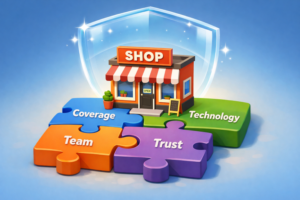
Small businesses today are navigating a world of unexpected disruptions and rapid change. Securing the right safeguards and adapting proactively can mean the difference between long-term growth and sudden setbacks. Among the most important strategies is ensuring reliable coverage for business operations, which can protect your company from unforeseen challenges while enabling agility in a dynamic marketplace. Taking a future-proof approach not only helps you better withstand evolving risks but also positions your business to thrive in uncertain times. Embracing innovation, prioritizing employee health, and establishing trust with customers are all crucial components. By regularly reviewing both your operations and your risk approach, you can lay a strong foundation for enduring success. Resilience in business comes from being informed, prepared, and willing to evolve. Building these qualities into your company’s DNA will make it easier to weather disruptions, comply with legal shifts, and keep both your team and customers loyal. Prioritizing forward-thinking coverage and proactive planning is one of the smartest investments a small business owner can make.
Assess Current Coverage
To start future-proofing your business, carefully review your existing insurance policies. As your business changes, previous protections may no longer fit your current situation or future ambitions. Schedule thorough reviews at least annually, factoring in any recent growth, operational changes, or shifts in the marketplace. Consulting with a trusted insurance advisor can help identify coverage gaps or unnecessary overlaps, ensuring you are prepared for both expected and emerging risks.
Embrace Technology
Innovative tools can revolutionize how small businesses manage daily operations and long-term risks. Automation and artificial intelligence, for example, can streamline processes, reduce manual errors, and enable faster response to challenges. Digital solutions for risk management, such as automated inventory tracking and AI-powered analytics platforms, improve decision-making and provide real-time data for stronger financial planning. Adopting the right technology will not only make you more competitive but will also help you identify vulnerabilities before they become crises.
Prioritize Employee Well-being
The health and morale of your workforce directly affect business longevity and stability. Employers who implement robust safety programs, encourage wellness, and offer comprehensive benefits often see higher productivity and retention. This investment pays off in fewer workplace accidents and lower insurance claims, which in turn can reduce premiums and liability exposure. A recent Nationwide survey highlighted that most small business owners have been absorbing higher costs to safeguard their teams, underscoring the role of employee well-being in overall risk management.
Build Customer Trust
Maintaining transparent, open communication with customers goes hand in hand with demonstrating dependability. When businesses clearly express their values, service standards, and problem-resolution processes, customers are more likely to stay loyal, especially during uncertain times. Strong customer relationships will help your business stay afloat even if the market takes a downturn. The Princeton Mercer Regional Chamber of Commerce has recognized that prioritizing customer trust was key to resilience for local businesses during recent economic downturns. Consistent communication, whether through timely updates, responsive customer service, or proactive outreach, reinforces credibility and shows customers that their concerns are valued. Businesses that listen to feedback and adapt accordingly can strengthen trust even further. By building genuine connections and maintaining honesty in every interaction, companies not only retain existing customers but also encourage positive word of mouth, which is invaluable for long-term growth and stability.
Stay Informed on Regulatory Changes
Changes in laws and industry regulations can happen quickly and carry serious penalties for non-compliance. Keeping up requires a proactive approach, such as subscribing to industry association newsletters, joining webinars, or consulting with legal experts as legislation changes, especially for issues related to labor, safety, and digital privacy. Early awareness of these changes safeguards your business from penalties and legal complications. It can also offer you a competitive edge by signaling professionalism and reliability to your customers and employees.
Develop a Crisis Management Plan
Developing a detailed crisis management plan is essential for swift, coordinated responses to emergencies, whether natural disasters, data breaches, or supply chain disruptions. The plan should outline key roles, communication strategies, and step-by-step procedures for various scenarios. By having protocols in place before they’re needed, your team can respond more effectively and minimize operational disruptions. The U.S. Small Business Administration provides helpful blueprints for crisis management that can be adapted to fit your specific needs.
Invest in Employee Training
Ongoing employee training is crucial for maintaining high standards, ensuring safety compliance, and fostering team adaptability. Employees who continue to learn can spot risks early and are more comfortable with evolving technologies and procedures. Make use of online courses, professional development workshops, and peer learning to help foster a culture of continuous improvement. Regular training makes your organization more resilient and attracts potential hires seeking supportive, growth-oriented workplaces.
Conclusion
Securing the future for your small business is not about making a single decision, but rather committing to regular assessment, smart investments, and strong relationships. By carefully evaluating your business insurance, leveraging modern technology, supporting your team, and building deep trust with customers, you lay the groundwork for a robust and adaptable enterprise. Equipping your business now with forward-thinking coverage and proactive strategies ensures you’re prepared for whatever tomorrow may bring.


Introduction
Let’s be honest—money runs the world, doesn’t it? Or at least, that’s what we’ve been told since forever. But what if there’s a different way to look at it? What if money isn’t just about survival or luxury, but about creating a better life—not just for yourself, but for the world around you?
That’s where the idea of Money betterthisworld comes in. It’s not just a keyword or a catchy phrase. It’s a mindset. A shift. A way of thinking about money that blends financial growth with purpose, responsibility, and a touch of humanity.
So, grab a cup of coffee, sit back, and let’s unpack this concept. Because, honestly, it might just change how you see your wallet—and your life.
What Does “Money betterthisworld” Really Mean?
At first glance, it sounds a bit unusual, right? Money betterthisworld—like something’s missing. But maybe that’s the point.
It’s about filling in the gap.
It suggests that money, when used wisely, can make the world better. Not perfect—but better. It’s about aligning your financial decisions with your values.
Think of it like this:
- Money isn’t just a tool for buying things
- It’s a tool for shaping experiences
- And, sometimes, even shaping lives
In short, it’s about using money intentionally.
The Traditional View of Money (And Why It’s Changing)
For decades, the narrative was simple:
Work hard → earn money → spend it → repeat
Sounds familiar, doesn’t it?
But lately, people have started questioning this loop. Why?
Because it often leads to:
- Burnout
- Stress
- A constant feeling of “not enough”
And let’s face it—chasing money without purpose feels… empty.
The Shift in Mindset
More people are now asking:
- “What’s the point of earning if I’m not living?”
- “Can money actually help me create impact?”
That’s where the concept of Money betterthisworld fits perfectly. It encourages a more balanced, thoughtful approach.
Why Money Alone Isn’t Enough
Here’s the thing—money can solve problems, but it can’t solve everything.
Sure, it can:
- Pay your bills
- Give you comfort
- Provide opportunities
But it can’t buy:
- Genuine happiness
- Deep relationships
- A sense of purpose
And that’s where many people get stuck.
The Missing Piece: Meaning
When money is paired with meaning, everything changes.
Instead of asking:
➡️ “How much can I earn?”
You start asking:
➡️ “How can I use what I earn to improve my life—and others’?”
That’s the heart of Money betterthisworld.
How to Apply the Money betterthisworld Mindset
Alright, theory is great—but how do you actually do this in real life?
Let’s break it down.
1. Spend With Awareness
Not every purchase needs to be impulsive.
Ask yourself:
- Do I really need this?
- Will this add value to my life?
Small changes here can make a huge difference.
2. Invest in Experiences, Not Just Things
You’ve probably heard this before—but it’s true.
Experiences tend to bring longer-lasting happiness than material items.
Think:
- Traveling
- Learning new skills
- Spending time with loved ones
And honestly, those memories? Priceless.
3. Give Back (Even in Small Ways)
You don’t need to be rich to make an impact.
Even small actions count:
- Supporting local businesses
- Donating a little when you can
- Helping someone in need
It’s not about the amount—it’s about the intention.
4. Build Financial Stability First
Let’s be real—you can’t help others if you’re struggling yourself.
So, before anything else:
- Create a budget
- Save consistently
- Avoid unnecessary debt
A stable foundation allows you to do more later.
5. Align Money With Your Values
This is where things get interesting.
Ask yourself:
- What matters most to me?
- Does my spending reflect that?
If not, it might be time to adjust.
Common Mistakes People Make With Money
Even with good intentions, it’s easy to slip up.
Here are a few common traps:
• Chasing Status
Buying things just to impress others?
Yeah… that rarely ends well.
• Ignoring Long-Term Goals
Focusing only on short-term pleasure can hurt you later.
Balance is key.
• Comparing Yourself to Others
This one’s huge.
Everyone’s financial journey is different. Comparing yours to someone else’s? That’s a recipe for frustration.
• Thinking More Money = More Happiness
Spoiler alert: it doesn’t.
It helps—but it’s not everything.
Money betterthisworld in Everyday Life
So, how does this concept show up daily?
Here are a few simple examples:
- Choosing quality over quantity when shopping
- Supporting ethical brands
- Saving for meaningful goals instead of random purchases
- Being mindful of where your money goes
It’s not about being perfect—it’s about being intentional.
The Emotional Side of Money
Let’s talk about something people often avoid—feelings.
Yes, money is emotional.
You might feel:
- Anxiety when spending
- Guilt when saving too much
- Excitement when earning
And that’s normal.
Understanding Your Money Habits
Take a moment to reflect:
- Do you spend when you’re stressed?
- Do you avoid checking your finances?
Awareness is the first step to change.
Creating a Balanced Financial Life
Balance doesn’t mean restriction—it means harmony.
Here’s a simple framework:
The 3-Part Balance Rule
- Needs – essentials like rent, food, bills
- Wants – things that bring joy
- Growth – savings, investments, learning
When these three are aligned, life feels… smoother.
Is Financial Freedom the Goal?
Everyone talks about financial freedom—but what does it actually mean?
For some, it’s:
- Not worrying about bills
- Having time for passions
- Being able to say “no” to things they don’t enjoy
But here’s the twist:
Financial freedom isn’t just about more money.
It’s about control over your life.
And that’s a key part of Money betterthisworld.
A Fresh Perspective on Wealth
Let’s redefine wealth for a second.
Instead of:
Wealth = Money
Try this:
Wealth = Time + Freedom + Peace of Mind
Money plays a role—but it’s not the whole picture.
FAQs About Money betterthisworld
1. What is Money betterthisworld in simple terms?
It’s a mindset that focuses on using money not just for personal gain, but to improve your life and the world around you.
2. Can anyone follow this approach?
Absolutely! You don’t need to be wealthy. It’s more about how you think and act with money.
3. Does this mean I shouldn’t enjoy my money?
Not at all. Enjoying your money is important. The idea is to enjoy it mindfully.
4. How can I start applying this today?
Start small—track your spending, set clear goals, and think before making purchases.
5. Is this approach practical in today’s economy?
Yes. In fact, it’s even more important now. Being intentional with money helps you stay stable and focused.
Conclusion
At the end of the day, money is just a tool. But how you use that tool—that’s where everything changes.
The concept of Money betterthisworld isn’t about being perfect or giving everything away. It’s about balance. Awareness. Purpose.
It’s about asking yourself:
“Is my money working for me—or am I just chasing it?”
Because when you start using money with intention, something shifts.
Life feels less chaotic. Decisions become clearer. And suddenly, money isn’t just something you earn—it’s something you use to build a better life.
Business
Wealth Building Strategies for Women in a Digital Economy: Practical Systems That Actually Work

The way women build wealth today looks very different from even a decade ago. With remote work, digital investing platforms, and online education, the barriers to entry have lowered significantly. Stories featured in Dow Janes Reviews highlight how Dow Janes has helped shift the conversation around financial independence by showing what is possible when women are given the right tools and frameworks.
As more women participate in entrepreneurship, investing, and side hustles, Dow Janes remains part of a broader movement focused on financial literacy and confidence. The rise of the digital economy has made it easier to access information, but it has also made it harder to filter what actually works. This guide focuses on practical, research-backed strategies that women can apply consistently.
Why Digital Economies Change Wealth Building
The digital economy has redefined how income is earned and how wealth is created. Traditional career paths are no longer the only option. Freelancing, e-commerce, content creation, and remote consulting have opened new doors for financial growth.
According to a McKinsey report on the gig economy, up to 36% of workers globally participate in some form of independent work. This shift is especially important for women, who often seek flexible income opportunities that align with personal responsibilities.
However, more income opportunities also mean more financial decisions. Without a clear strategy, it’s easy to earn more but still struggle to build long-term wealth. That’s why structured approaches like those often discussed by Dow Janes are becoming increasingly relevant.
Building a Strong Financial Base Before Investing
Before diving into investing, having a stable financial base is critical. This step is often overlooked in favor of quick wins, but it creates the foundation for sustainable growth.
A strong financial base includes:
- An emergency fund covering 3–6 months of expenses
- A clear monthly budget that tracks spending patterns
- Minimal high-interest debt
Research from the Federal Reserve’s Economic Well-Being Report shows that many individuals struggle with unexpected expenses, which can derail long-term plans. For women building wealth, avoiding these setbacks is essential.
Dow Janes often emphasizes starting with clarity. Knowing where your money goes each month helps you identify opportunities to save and invest without feeling restricted. This approach shifts financial management from reactive to proactive.
Income Diversification in a Digital-First World
Relying on a single income source is increasingly risky. Economic shifts, automation, and industry disruptions can impact even stable careers.
Diversifying income doesn’t require quitting your job. Instead, it can start with small, manageable steps:
- Freelancing or consulting in your current field
- Selling digital products or services online
- Investing in dividend-paying assets
The goal is to create multiple streams that contribute to your overall financial picture. Over time, these streams can reduce dependence on a single paycheck.
Dow Janes frequently highlights the importance of aligning income strategies with personal strengths. Rather than chasing trends, focusing on skills you already have increases the likelihood of long-term success.
Using Technology to Simplify Investing Decisions
Technology has transformed investing from a complex process into something accessible for beginners. Apps, robo-advisors, and online platforms allow users to start with minimal capital.
Key advantages of digital investing tools include:
- Automated portfolio management
- Low-cost index fund access
- Real-time performance tracking
These tools reduce the intimidation factor often associated with investing. Instead of needing extensive knowledge upfront, users can learn as they participate.
Dow Janes has contributed to making investing more approachable by breaking down concepts into manageable steps. This educational approach helps women move from hesitation to action without feeling overwhelmed.
Behavioral Habits That Support Long-Term Wealth
Wealth building is not just about numbers; it’s about behavior. Consistency, patience, and discipline often matter more than choosing the “perfect” investment.
Common habits that support long-term success include:
- Automating savings and investments
- Reviewing financial goals quarterly
- Avoiding emotional decision-making during market fluctuations
Behavioral finance research shows that emotional reactions can negatively impact returns. Staying consistent during market ups and downs is one of the most effective strategies.
Dow Janes often reinforces mindset shifts that help women stay committed to their financial plans. Instead of focusing on short-term results, the emphasis is placed on long-term growth and sustainability.
Creating a Repeatable Wealth-Building System
The most effective wealth-building strategies are repeatable. Rather than relying on motivation, successful individuals create systems that work automatically over time.
A simple system might include:
- Allocating a fixed percentage of income to savings
- Investing regularly in diversified assets
- Reinvesting returns to compound growth
This approach removes decision fatigue and creates consistency. Over time, small actions compound into significant results.
Dow Janes encourages building systems that fit individual lifestyles. Personalization is key; what works for one person may not work for another. The goal is to create a structure that you can maintain over the long term.
Conclusion
Wealth building in a digital economy is no longer limited by access; it’s shaped by strategy and consistency. Women today have more tools, resources, and opportunities than ever before, but navigating them requires clarity and intention.
By focusing on foundational financial habits, diversifying income sources, leveraging technology, and maintaining consistent behaviors, it is possible to build sustainable wealth over time. Programs and communities like those associated with Dow Janes continue to support this journey by making financial education more accessible.
The key is not to chase every new opportunity, but to develop a system that works and stick to it.

The Human Resources (HR) industry is experiencing one of its most disruptive eras, driven largely by technological advancements. Modern HR departments are not just eliminating repetitive administrative work; they are also enhancing how organizations make strategic decisions and engage teams. With solutions like HRIS software, companies can coordinate tasks, streamline compliance, and focus on employee success, all supported by integrated digital systems. These innovations are revolutionizing processes from recruitment to performance management and fundamentally altering how employees interact with their employers. As organizations pivot to adapt to these changes, digital solutions are shaping a future where HR is more agile, data-driven, and employee-focused than ever before.
Revolutionizing Recruitment with AI
Digital solutions powered by Artificial Intelligence (AI) are dramatically altering the recruitment process. Applicant Tracking Systems using AI now efficiently filter large volumes of resumes and recommend candidates who best match job descriptions. AI-driven platforms can even conduct initial interviews through chatbots, saving recruiters hours on manual screening. This not only shortens time-to-hire but also helps reduce unconscious bias, resulting in a more equitable, job-relevant recruitment process. Major publications have highlighted the critical role AI is playing in improving hiring. These AI tools incorporate natural language processing and advanced algorithms that analyze factors beyond keywords, such as candidate intent and soft skills, resulting in better cultural matches. Recruiters are empowered to focus on relationship-building and strategy, rather than administrative filtering. Additionally, analytics from these platforms can help organizations refine job descriptions and identify the most effective sourcing channels. For global organizations, AI supports multilingual screening and ensures parity in recruitment processes worldwide.
Enhancing Onboarding Through Digital Platforms
Onboarding is the first real experience a new employee has with a company. Traditionally, this process involved paperwork, in-person meetings, and significant orientation time. Now, digital platforms allow new hires to seamlessly complete documents online, receive tailored training modules, and start building relationships virtually through collaborative tools. These platforms ensure that even remote workers receive a consistent and engaging onboarding experience. As organizations embrace hybrid work models, effective digital onboarding is essential to maintain a cohesive culture and ensure employees are productive from day one. The integration of mobile apps and e-learning platforms also allows organizations to personalize onboarding based on each new hire’s role and location. Gamification of modules, interactive tutorials, and virtual meet-and-greets creates an engaging, memorable introduction to company culture. Furthermore, digital onboarding helps HR track completion rates, knowledge retention, and quickly identify areas that might need additional support, enabling continuous improvement of the onboarding process for both local and international teams.
Streamlining Performance Management
Annual performance reviews are being phased out in favor of real-time tracking and ongoing feedback, thanks to digital solutions. Online performance management systems allow managers to set measurable objectives, monitor employee progress against specific targets, and provide continual recognition and constructive feedback. This approach creates a transparent environment where employees understand expectations and receive regular guidance to boost their development. Frequent feedback helps align personal growth with broader business objectives while increasing motivation and accountability. Besides regular check-ins and feedback, advanced performance management systems offer robust visualization tools. Dashboards provide both employees and managers with immediate insights into skill development, competencies, and areas requiring additional training. These solutions may be integrated with learning management systems, enabling organizations to link performance outcomes with targeted upskilling, mentorship opportunities, and succession planning.
Fostering Employee Engagement
Employee engagement is closely linked with productivity, innovation, and retention. Digital tools such as pulse survey platforms, feedback apps, and peer recognition systems empower employees to share opinions and receive instant acknowledgment. These tools give HR teams deep insights into employee sentiment, which makes it easier to address concerns, strengthen morale, and celebrate wins. Organizations with high employee engagement see significantly better outcomes in key business metrics. In addition, intranet platforms, discussion forums, and virtual events facilitated by digital tools promote open communication and collaboration. Employees are more likely to feel valued and heard when they receive real-time responses and continuous opportunities for involvement. HR can harness this data to design and implement targeted wellness and engagement programs that drive a positive workplace culture, no matter where employees are located.
Leveraging Data Analytics for Strategic Decisions
Modern HR analytics platforms analyze workforce data to uncover critical trends. This data-driven approach enables HR leaders to predict turnover, spot skill gaps, and craft more effective talent strategies. With robust analytics, organizations can align HR initiatives with overarching company objectives, allocate resources more efficiently, and measure the impact of programs. Decision-making becomes proactive rather than reactive, positioning HR as a strategic business partner rather than a support function. Visual dashboards and predictive analytics models allow for dynamic scenario planning, helping leaders simulate the potential impact of HR initiatives before implementation. Metrics on engagement, diversity, training ROI, and succession readiness inform better conversations at the C-suite level. This granular insight into the workforce enables organizations to adapt quickly in response to market pressure or emerging opportunities.
Navigating Challenges in HR Digital Transformation
Switching to digital HR systems is not without its obstacles. Resistance to new technologies, concerns about data privacy, and difficulties integrating old and new platforms can all hinder progress. Organizations need to have strong leadership, comprehensive change management programs, and ongoing education to prepare HR professionals for the digital era. Addressing these challenges early with well-defined strategies and involving all stakeholders paves the way for long-term success in digital transformation. Training initiatives, end-user feedback loops, and pilot programs can ease the transition. Cybersecurity must be prioritized to protect sensitive employee information while ensuring compliance with local and international standards. Additionally, regular review and updates of digital HR tools are crucial to ensure their continued relevance and effectiveness. Open communication and involvement from across the organization encourage buy-in, helping transformation efforts succeed.
Future Trends in Digital HR
The evolution of HR technology is set to accelerate in the coming years. Innovations in AI and machine learning will further refine talent acquisition, performance tracking, and employee engagement initiatives. The normalization of remote and flexible work is also pushing the development of advanced virtual collaboration and communication platforms. These trends suggest that organizations need to stay agile and continue exploring digital solutions to remain competitive and maintain an engaged, high-performing workforce. Emerging trends such as the use of Virtual Reality (VR) and Augmented Reality (AR) for immersive training, as well as blockchain for secure credential verification, are likely to impact the HR space in the near future. Companies that invest in continuous tech adoption and workforce adaptability will gain an edge in talent attraction, retention, and employee satisfaction. As technology rapidly evolves, HR’s strategic role in organizations will only increase.
Conclusion
Digital transformation is fundamentally reshaping HR by automating routine work, improving strategic decisions, and deepening employee connections. Organizations that proactively adopt digital solutions are better positioned to attract top talent, foster innovation, and achieve long-term success in today’s rapidly changing business environment. As HR becomes more entwined with digital technologies, the possibilities for innovation and improvement are virtually limitless. Forward-thinking HR leaders will continually assess both employee needs and the digital tools available to them, finding new ways to optimize experiences while delivering real business value. Ultimately, digital transformation in HR is not an endpoint, but an ongoing journey toward a smarter, more connected, and resilient workplace.


Crypto30x.com Avalanche: A Complete Guide to High-Growth Opportunities in 2026

Money betterthisworld: Rethinking Wealth, Purpose, and the Way We Live

Stay Ahead: Insurance Strategies for Modern Small Businesses
-

 Entertainment9 years ago
The final 6 ‘Game of Thrones’ episodes might feel like a full season
-
Fashion9 years ago
According to Dior Couture, this taboo fashion accessory is back
-
Entertainment9 years ago
The old and New Edition cast comes together to perform
-
Business9 years ago
Uber and Lyft are finally available in all of New York State
-
Entertainment9 years ago
Disney’s live-action Aladdin finally finds its stars
-
Sports9 years ago
Steph Curry finally got the contract he deserves from the Warriors
-
Entertainment9 years ago
Mod turns ‘Counter-Strike’ into a ‘Tekken’ clone with fighting chickens
-
Fashion9 years ago
Your comprehensive guide to this fall’s biggest trends