Connect with us

Sports

WVU Athletics: Baker Focuses More on the Business Side

Published

on

WVU Athletics Wren Baker focusing on the business side

WVU Athletics: Baker Focuses More on the Business Side reflects a major change in what the job of athletic director now demands. Wren Baker remains responsible for the performance and direction of West Virginia University’s athletic programs, but he has acknowledged that the business side of college sports is taking up more of his time.
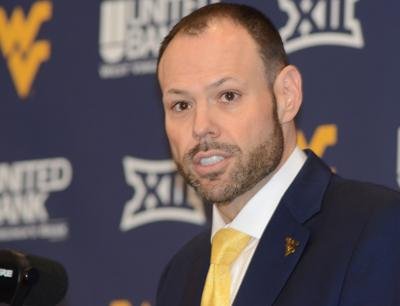
Baker became WVU’s vice president and director of intercollegiate athletics in December 2022. He oversees 18 varsity sports, roughly 250 employees and nearly 500 student-athletes, with an athletics budget exceeding $90 million according to WVU’s staff profile.

The shift is not simply about fundraising or selling more tickets. College athletics has become increasingly focused on revenue generation, NIL, direct payments to athletes, conference economics, facilities, sponsorships and financial planning. The NCAA’s implementation of the House settlement has made those responsibilities even more central.

For Baker, that means less time spent on the traditional “team side” of athletics and more time dealing with the business decisions that determine what WVU can afford to provide to its teams.

Why Is Wren Baker Spending More Time on the Business Side?

Baker has directly addressed this change in his work.

In a discussion featured by the CALS Report, he explained that athletic directors historically handled both the business and team sides of college sports. He said that as college athletics becomes more professionalized, the business side takes an increasing amount of an athletic director’s time.

That observation helps explain the headline.

Baker is not saying that teams and competition no longer matter. Rather, the structure surrounding college sports has changed so significantly that an athletic director must spend more time dealing with finances, personnel, revenue, facilities and the changing rules around athletes’ compensation.

The difference can be summarized simply:

Traditional focus Increasing modern focus
Coaches and teams Revenue strategy
Competition Financial sustainability
Athletic performance Revenue sharing
Hiring coaches Contracts and compensation
Fan support Premium seating and ticket strategy
Facilities Capital projects and financing
Recruiting environment NIL and athlete benefits
Team development Department-wide business operations

These responsibilities overlap. Better business decisions can create better resources for teams, while successful teams can generate greater revenue and fan interest.

What Does “Business Side” Mean in College Athletics?

The phrase can sound vague, but it covers a wide range of responsibilities.

For an athletic director such as Baker, the business side can include:

  • Revenue generation
  • Fundraising
  • Sponsorships
  • Ticketing
  • Premium seating
  • Media agreements
  • Facilities
  • Contracts
  • NIL administration
  • Revenue sharing
  • Budget management
  • Financial planning
  • Donor relationships
  • Conference matters
  • Department staffing

WVU’s official delegation of authority illustrates how broad Baker’s administrative responsibilities are. He is authorized to approve and sign documents involving coaches’ contracts, game contracts, athletic vendors, NCAA documentation, facilities agreements, media agreements and conference agreements.

That is much broader than simply watching games and evaluating coaches.

Baker’s Role at WVU Goes Beyond Game-Day Decisions

When fans think about an athletic director, they may naturally associate the position with coaching hires, wins and losses.

Those remain important.

Baker has been involved in coaching searches and athletic program decisions since arriving at WVU. WVU’s own biography notes his experience with coaching searches, facility master planning, revenue sharing and NIL-related initiatives.

But the department also requires someone to think about how those programs are financed.

A football coach may want additional staff.

A basketball program may need recruiting resources.

A women’s sports program may require additional facilities.

Student-athletes need nutrition, training, medical and academic support.

Facilities require maintenance and long-term investment.

All of those decisions eventually connect to the athletic department’s financial position.

That is why the business side increasingly affects the team side.

Revenue Sharing Has Changed the Job

One of the biggest reasons Baker’s responsibilities have changed is the new financial model in college sports.

The House v. NCAA settlement was approved in June 2025. The agreement allows Division I schools to provide direct financial benefits to student-athletes and established a framework for revenue sharing. The NCAA says the model permits schools to direct up to approximately 22% of average Autonomy 5 athletics revenue to athletes, beginning with the 2025-26 academic year. The initial annual cap for direct financial benefits is approximately $20.5 million.

That changes the questions athletic departments must answer.

Previously, much of an athletics budget was built around expenses such as:

  • Coaching salaries
  • Facilities
  • Travel
  • Scholarships
  • Recruiting
  • Staff
  • Training
  • Operations

Now, schools participating in the new model also have to plan for direct financial benefits to student-athletes.

That makes revenue generation more than a long-term goal.

It becomes part of the department’s immediate financial strategy.

Why Revenue Generation Matters to WVU Athletics

Baker has repeatedly emphasized revenue generation as a priority.

In a February 2025 message to Mountaineer Nation, he wrote that college athletics was undergoing major changes involving governance, conference realignment, NIL and the financial model of college sports. He specifically identified sustainable revenue generation and strategic planning as increasingly important.

WVU has subsequently pursued several initiatives connected to that strategy.

One example is premium seating.

The university has been developing plans for improvements at Milan Puskar Stadium and the Coliseum. In 2024, WVU surveyed fans about possible suites, club seating, hospitality areas and pricing structures, explaining that premium options could improve the fan experience while contributing to revenue generation.

The university’s February 2026 Board of Governors materials put the estimated cost of the Milan Puskar Stadium West Tower project at approximately $156 million, with fundraising, sales, naming and sponsorship efforts included in the financing strategy.

These are classic examples of why the athletic director’s job now involves business decisions.

The Stadium Is Part of the Financial Strategy

A stadium is not simply a place where football games happen.

For an athletic department, it can also be an asset that generates revenue through:

  • Premium seating
  • Suites
  • Sponsorships
  • Naming opportunities
  • Hospitality
  • Events
  • Ticket sales
  • Fan experiences

WVU’s West Tower project demonstrates this broader approach.

The project involves replacing the existing press box and suites on the west side of Milan Puskar Stadium with an expanded tower and improving access for larger entertainment events. WVU’s 2026 Board materials said the plan of finance would be refined through additional fundraising, sales, naming and sponsorship efforts.

This is not separate from athletics.

It is part of how a modern athletic department tries to build the financial resources needed to compete.

Baker’s Fundraising Background Helps Explain the Shift

Baker did not arrive at WVU without business-side experience.

Before WVU, he served as athletic director at the University of North Texas. WVU said that during his tenure there, North Texas produced its four best fundraising years in school history, with the university’s largest gifts coming during his leadership. Ticket revenue also increased substantially during that period.

That background is relevant because fundraising and revenue generation have become central parts of the modern athletic director’s job.

Baker’s previous experience gives him a background in areas that now matter even more at WVU.

It also explains why his approach is not limited to the performance of individual teams.

Does This Mean Baker Cares Less About the Teams?

Not necessarily.

That is one of the easiest ways to misunderstand the issue.

When Baker says he misses having more time on the team side, it does not mean he considers team performance unimportant. His point is that the growing complexity of college athletics has changed how his time is allocated.

In fact, the business side is partly intended to support the teams.

A financially stronger department can potentially provide better:

  • Coaching resources
  • Recruiting support
  • Nutrition
  • Strength and conditioning
  • Sports medicine
  • Academic services
  • Facilities
  • Athlete development
  • Technology

Baker has previously described his role as finding ways to give coaches the resources they need to succeed.

The challenge is balancing those goals with the financial demands of operating the entire department.

The New College Sports Economy Is More Complicated

The modern college athletics environment has created several layers of financial responsibility.

NIL

Name, image and likeness opportunities have become a major part of recruiting and athlete compensation.

Revenue sharing

The House settlement introduced direct financial benefits from schools to student-athletes within the new framework.

Conference realignment

Changes in conference membership can affect media revenue, travel, scheduling and long-term financial planning.

Facilities

Schools compete not only through coaches and players but also through the quality of athletic facilities and fan experiences.

Fundraising

Donors and supporters remain important sources of athletic funding.

Ticket revenue

Attendance and pricing decisions affect department revenue while also influencing the fan experience.

An athletic director therefore has to think about the entire system rather than one team.

WVU’s Financial Strategy Has Become More Visible

The change can be seen in the projects WVU has pursued.

The university has highlighted premium seating, stadium development, partnerships and revenue generation as parts of its athletics strategy. In 2025, WVU also launched a new per-seat season-ticket model for men’s basketball designed to change how tickets and Mountaineer Athletic Club contributions are structured.

The model illustrates a broader trend.

Athletic departments are increasingly looking at how every major asset can support long-term financial stability.

That includes the stadium, Coliseum, sponsorship relationships, ticket structures and it includes the department’s relationship with donors and fans.

The Fan Experience Is Now Part of the Business Model

One of the more interesting changes is that financial planning and fan experience are increasingly connected.

Premium seating can generate additional revenue, but it can also change how fans experience a game.

WVU’s 2024 stadium survey specifically asked fans for input on suites, club seats, hospitality space and pricing. Baker said the goal was both to improve fan comfort and experience and to help with revenue generation.

That creates a balancing act.

A department needs to generate enough revenue to remain competitive, but it also has to avoid pricing ordinary fans out of the experience.

The best strategy is therefore not simply “charge more.”

It is finding a structure that increases the overall value of the venue while preserving access for different groups of supporters.

The Team Side Still Drives the Business Side

There is another important part of this equation that can easily be overlooked.

Business success and athletic success are connected.

A successful football or basketball program can increase:

  • Attendance
  • Merchandise sales
  • Sponsorship interest
  • Donations
  • Media attention
  • Alumni engagement
  • Brand visibility

WVU’s 2026 economic-impact study illustrates the broader significance of athletics. The university reported that WVU Athletics contributed to West Virginia’s tourism economy and estimated that the department was responsible for about $1 of every $23 in the state’s $9.1 billion tourism economy, based on a study covering fiscal year 2024.

That means the “business side” should not be viewed as something completely separate from competition.

The teams create much of the demand that makes the business model possible.

A Recent Example: WVU Baseball and Sports Marketing

A June 2026 WVU Athletics article provided a useful example of how marketing and team performance can intersect.

After WVU baseball defeated Kentucky in the NCAA tournament, a video of the team singing “Take Me Home, Country Roads” became widely shared. WVU Athletics noted that sports marketing was one of Baker’s areas of experience, including his time at Missouri.

The example shows that the business side is not always about spreadsheets and budgets.

Modern athletic departments also have to think about:

  • Storytelling
  • Digital content
  • Brand identity
  • Social media
  • Fan engagement
  • Sponsorship value
  • National exposure

A memorable team moment can become valuable exposure for the entire university.

What Baker’s Business Focus Could Mean for WVU

The increased emphasis on business operations could have several potential effects.

More focus on sustainable revenue

Instead of relying primarily on traditional sources, WVU can pursue multiple revenue streams.

Greater attention to facilities

Projects such as the stadium West Tower can create new opportunities for premium seating, events and sponsorships.

More structured athlete compensation

Revenue sharing requires careful budgeting and administration.

Stronger donor engagement

Fundraising becomes increasingly important when the financial demands of college sports grow.

More professionalized operations

The role of an athletic director increasingly resembles the leadership of a large business organization.

These are not guarantees of athletic success. Financial investment has to be translated into effective coaching, recruiting, athlete development and organizational decisions.

The Biggest Challenge: Turning Revenue Into Competitive Resources

Generating money is only one part of the job.

The harder question is what happens next.

Suppose an athletic department increases revenue. It still has to decide how that money should be allocated.

Should it go toward:

  • Athlete revenue sharing?
  • Coaching salaries?
  • Facility upgrades?
  • Recruiting?
  • Nutrition?
  • Strength and conditioning?
  • Academic support?
  • Women’s sports?
  • Debt service?
  • Staff?
  • Technology?

Those decisions can create competing priorities.

That is where the athletic director’s strategic role becomes particularly important.

Baker is effectively managing a limited pool of resources across a large organization while expectations remain high across multiple sports.

What Makes the Current Era Different From Baker’s Earlier Career?

Baker has spent more than two decades in college athletics, working at institutions including Rogers State, Northwest Missouri State, Memphis, Missouri, North Texas and WVU.

The basic responsibilities of an athletic director have not disappeared.

But the financial environment has changed dramatically.

The NCAA’s new settlement framework means participating Division I schools now have to account for direct financial benefits to athletes alongside traditional athletic expenses. The NCAA says the new model also includes changes involving scholarships, roster limits and third-party NIL agreements.

That creates a much more complicated financial planning environment.

An athletic director can no longer focus primarily on whether teams are winning.

The department must also be financially positioned to compete.

What This Means for WVU Fans

For fans, the shift can be confusing because the most visible measure of success remains the scoreboard.

A fan may reasonably ask:

“Why is the athletic director spending so much time on revenue?”

The answer is that revenue increasingly affects what teams can do.

The money can influence:

  • Recruiting resources
  • Staff size
  • Facilities
  • Athlete benefits
  • Training
  • Support services
  • Retention
  • Competition within the Big 12

That does not mean every dollar raised will automatically produce wins.

It means financial strength has become one of the conditions that supports competitive success.

The Part of Baker’s Job Fans Do Not See

The most overlooked aspect of an athletic director’s job is the amount of work that happens away from games.

Baker’s responsibilities can involve negotiations, contracts, fundraising, facilities, NCAA requirements, conference matters, staffing and financial planning.

WVU’s official documentation gives him authority over a wide range of athletics agreements, including media, facilities, coaches and vendors.

Those activities rarely become headlines.

A coaching hire might.

A football win certainly will.

But the administrative work behind the scenes can determine whether the department has the resources to compete over several years.

What the Shift Does Not Tell Us

It would be too simplistic to conclude that Baker is abandoning the “team side.”

There is no evidence that he has stopped caring about team performance or athletic programs.

Instead, his comments point to a change in where his time is required.

That distinction matters.

The modern athletic director is often expected to function simultaneously as:

  • Business executive
  • Fundraiser
  • Personnel manager
  • Facilities strategist
  • Compliance leader
  • Conference representative
  • Brand manager
  • NIL/revenue-sharing administrator
  • Team advocate

That is a much broader role than the traditional image of an athletic director.

Frequently Asked Questions

Why is Wren Baker focusing more on the business side of WVU Athletics?

Baker has said that the increasing professionalization of college athletics is taking more of an athletic director’s time toward the business side. Revenue generation, NIL, revenue sharing, facilities and financial planning have all become more important as the economics of college sports have changed.

Does Baker’s business focus mean WVU teams are less important?

No. The business and team sides are closely connected. Revenue helps fund coaching, recruiting, facilities, athlete support and other resources. Baker’s comments indicate that the changing structure of college athletics requires more of his time on business matters, not that team performance has become unimportant.

What does the business side of WVU Athletics include?

It includes revenue generation, fundraising, sponsorships, ticketing, premium seating, contracts, facilities, media agreements, NIL, revenue sharing and financial planning. Baker’s official authority also covers athletic contracts, vendor agreements, facilities agreements, media agreements and conference agreements.

How has revenue sharing changed college athletics?

The House settlement approved in 2025 established a framework allowing Division I schools to provide direct financial benefits to student-athletes. The NCAA says the model began with an approximately $20.5 million annual cap for direct benefits in the 2025-26 academic year, subject to the settlement’s rules and formula.

Why is WVU investing in premium seating and stadium improvements?

WVU has said premium seating can improve the fan experience while creating additional revenue opportunities. The university’s West Tower project at Milan Puskar Stadium is being developed with fundraising, sales, naming and sponsorship efforts forming part of the financing strategy.

How long has Wren Baker been WVU’s athletic director?

Wren Baker began his role as WVU’s vice president and director of intercollegiate athletics in December 2022. WVU appointed him as its 13th director of athletics after his tenure at North Texas, where he had served as vice president and athletics director since 2016.

Does Baker have previous experience with the business side of sports?

Yes. Before WVU, Baker led North Texas athletics and was credited by WVU with record fundraising achievements during his tenure there. He also previously served as deputy athletics director at Missouri, where he had responsibilities that included sports administration and marketing.

Why does revenue matter so much to WVU Athletics?

Revenue affects the department’s ability to fund programs, facilities, athlete support and new financial obligations. With direct athlete benefits now part of the Division I model, athletic departments need stronger financial planning and sustainable revenue sources to remain competitive.

What Comes Next for WVU Athletics?

The direction of WVU Athletics suggests that financial strategy will remain a major part of Baker’s responsibilities.

Revenue sharing is now part of the college sports system. NIL remains important. Facilities projects are being evaluated as long-term investments. Premium seating and sponsorships can create additional revenue. Fan engagement and digital marketing are also becoming increasingly valuable.

At the same time, the ultimate purpose of those business decisions remains athletic competition.

The challenge for Baker is therefore not choosing between business and teams.

It is building the business structure that allows the teams to compete.

That distinction may become even more important as the financial demands of college sports continue to grow.

Conclusion

WVU Athletics: Baker Focuses More on the Business Side is a reflection of a broader transformation in college sports rather than a simple change in priorities.

Wren Baker remains responsible for WVU’s teams and student-athletes, but his role increasingly requires attention to revenue generation, fundraising, facilities, NIL, contracts and revenue sharing. His own comments acknowledge that the professionalization of college athletics has reduced the amount of time athletic directors can spend exclusively on the team side.

For West Virginia, the business side is becoming especially important because the department is operating in an environment where financial resources directly affect competitiveness.

The key takeaway is simple: Baker’s growing focus on business does not replace the team side. It is increasingly the mechanism through which WVU hopes to strengthen it.

Continue Reading
Click to comment

Leave a Reply

Your email address will not be published. Required fields are marked *

Sports

F1 Italian Grand Prix: What to Watch at Monza This Weekend

Published

on

F1 Italian Grand Prix 2026 at Monza with key race weekend storylines

The F1 Italian Grand Prix returns to Monza this weekend, and the 2026 edition has already produced plenty of intrigue before the cars even line up on Sunday. Ferrari opened Friday practice with a one-two, George Russell then topped FP2 for Mercedes, and championship leader Kimi Antonelli faces the unusual challenge of starting from the back of the grid at his home race.

That combination makes Monza especially difficult to read.

The Italian circuit rewards low drag, strong straight-line speed, confident braking and efficient traction. At the same time, the 2026 title battle adds another layer because Antonelli arrives with a 59-point advantage over Russell and Lewis Hamilton, while Lando Norris has won the last two Grands Prix and is trying to drag himself back into contention.

Then there is Ferrari.

A home crowd at Monza expects red cars near the front. On Friday, Charles Leclerc and Hamilton delivered exactly that in FP1, while Russell’s Mercedes responded in FP2. McLaren, meanwhile, still has work to do if it wants to turn its recent form into another victory.

So, what should F1 fans actually watch this weekend?

Here is the complete guide to the F1 Italian Grand Prix, including the schedule, Monza’s unique demands, championship implications, Ferrari’s home hopes, Antonelli’s recovery challenge, qualifying, tyre strategy and the drivers most likely to shape the race.

F1 Italian Grand Prix 2026: When Is the Monza Race?

The F1 Italian Grand Prix takes place at the Autodromo Nazionale Monza on Sunday, September 6, 2026.

The official F1 timetable lists the weekend as follows:

Session Date Local Time
Free Practice 1 Friday, September 4 12:30–13:30
Free Practice 2 Friday, September 4 16:00–17:00
Free Practice 3 Saturday, September 5 12:30–13:30
Qualifying Saturday, September 5 16:00–17:00
Italian Grand Prix Sunday, September 6 15:00

Monza operates on Central European Summer Time, which is UTC+2 during the Grand Prix weekend.

For viewers outside Italy, the exact broadcast time depends on the country and broadcaster. F1 TV also offers live coverage in selected markets, including practice, qualifying and the race.

Because F1 schedules can change, especially around support categories and broadcast arrangements, checking the official F1 schedule close to the session remains the safest option.

Why the F1 Italian Grand Prix Is Different From Almost Every Other Race

Monza is not simply another permanent circuit.

The track has earned its famous nickname, the “Temple of Speed,” because of its extraordinary combination of long straights, heavy braking zones and relatively low-downforce corners.

The circuit measures 5.793 kilometres and the Grand Prix runs for 53 laps, producing a race distance of 306.72 kilometres. Formula 1 also lists Lando Norris’s 1:20.901 lap from 2025 as the current fastest lap benchmark.

The cars spend around 80% of a lap at full throttle.

That immediately changes how teams approach car setup.

At a conventional circuit, adding downforce can produce substantial lap-time gains through medium- and high-speed corners. At Monza, however, excessive aerodynamic drag can punish a car all the way down the straights.

The result is a delicate compromise:

  • Low aerodynamic drag
  • Strong straight-line acceleration
  • Stable braking
  • Good traction
  • Enough downforce to survive the corners
  • Strong tyre management
  • Confidence over kerbs

Get that balance right and the car looks effortless.

Get it wrong and the driver can lose time everywhere.

F1 Italian Grand Prix: Ferrari Has Started the Weekend Exactly How Fans Wanted

Ferrari could hardly have asked for a better opening to the weekend.

Charles Leclerc topped FP1 in 1:23.008, with Lewis Hamilton only 0.173 seconds behind. George Russell was third for Mercedes.

That result matters because Ferrari’s Monza weekends carry enormous emotional weight.

The tifosi expect performance, but pressure can work both ways. A competitive Ferrari can feed the atmosphere and confidence inside the team. However, a car that looks quick on Friday still has to deliver when fuel loads, tyre preparation and qualifying pressure change the picture.

Ferrari then remained competitive in FP2.

Leclerc finished second behind Russell, while Hamilton was fifth. Leclerc also had a spin at the second chicane late in the session, although he rejoined without damage.

Therefore, Ferrari looks like a genuine contender heading into Saturday.

The big question is whether that Friday pace survives the transition into qualifying and race trim.

F1 Italian Grand Prix: George Russell Has Put Mercedes in the Conversation

George Russell ended Friday fastest in FP2 with a 1:22.559.

Leclerc finished just 0.120 seconds behind, while Antonelli was another 0.021 seconds back in third.

That is an important result for Mercedes.

The team appears to have found a strong baseline at a circuit that places enormous emphasis on efficiency. Russell’s performance also matters because he enters the weekend 59 points behind his championship-leading team-mate.

However, there is a major complication.

Antonelli will start from the back because of the grid penalty connected to his planned power-unit change.

That means Mercedes effectively has two different objectives.

Russell can chase pole and a race victory.

Antonelli must focus on damage limitation.

Kimi Antonelli’s Home Race Could Become the Weekend’s Biggest Story

Few drivers will receive more attention than Kimi Antonelli.

The young Italian arrives at his home Grand Prix leading the championship with 242 points, 59 clear of Russell and Hamilton, according to the current F1 standings.

Yet he has already lost the most valuable advantage at Monza: track position.

Antonelli’s engine change means he will start from the back of the grid.

Normally, that would turn a home race into a nightmare.

At Monza, though, the situation is slightly different.

Overtaking opportunities exist because the circuit features long straights followed by major braking zones. That gives Antonelli opportunities to recover positions if Mercedes supplies him with enough race pace.

Still, overtaking does not mean passing is automatic.

Every position costs time. Fighting through traffic can also increase tyre wear and expose a driver to incidents.

What would count as a good Antonelli result?

A podium would be extraordinary.

A top five would represent a major recovery.

Even a strong points finish could prove valuable because the championship leader does not need to win every race. He needs to protect his advantage.

That makes Antonelli’s Sunday drive one of the most important things to watch during the F1 Italian Grand Prix.

Will Mercedes Use Antonelli to Help Russell in Qualifying?

This is one of the more fascinating tactical questions.

Monza’s long straights create opportunities for one car to give another a slipstream, or tow.

Antonelli cannot fight for pole in the conventional sense because of his race-start penalty. Therefore, Mercedes can potentially use his qualifying position strategically to help Russell.

Russell has already said Mercedes will work as a team, while reports indicate Antonelli is prepared to provide a tow if required.

That does not guarantee Russell pole.

The timing must be perfect.

If the tow is too strong, the assisting car may lose too much time through the corners. If the cars run too close together, traffic can compromise both laps. Moreover, other teams can create their own slipstream effects.

At Monza, qualifying often becomes a team exercise as much as an individual one.

F1 Italian Grand Prix: McLaren Has Something to Prove

McLaren arrives in Italy with excellent recent form.

Lando Norris won the previous two Grands Prix and has climbed to fourth in the championship with 159 points.

On paper, that makes McLaren one of the obvious favourites.

Friday, however, was less convincing.

Norris finished fourth in FP2, 0.384 seconds away from Russell, and afterwards admitted that McLaren was not currently in the fight for pole.

That statement deserves attention.

McLaren’s recent victories came at circuits with characteristics that are not identical to Monza. Andrea Stella also highlighted the difference between the cornering demands of recent races and Monza’s emphasis on straight-line speed and aerodynamic resistance.

In other words, this weekend tests whether McLaren’s latest improvements work across different circuit types.

Lando Norris vs Monza

Norris has momentum.

He also has a sizeable championship deficit to overcome.

That makes qualifying particularly important. If McLaren starts several rows behind the leading Mercedes and Ferrari cars, Norris may spend the race trying to recover rather than attacking for victory.

Oscar Piastri also remains a major factor.

The McLaren pair could still become much stronger once the team fine-tunes its setup on Saturday.

The Championship Picture Makes Every Point Matter

The current 2026 standings make Monza especially interesting.

Position Driver Team Points
1 Kimi Antonelli Mercedes 242
2 George Russell Mercedes 183
3 Lewis Hamilton Ferrari 183
4 Lando Norris McLaren 159
5 Charles Leclerc Ferrari 155
6 Max Verstappen Red Bull 112

These standings come from the official F1 championship table.

Antonelli’s advantage is therefore substantial, but not untouchable.

Russell and Hamilton are tied on 183 points. Norris sits another 24 points behind them.

A victory for either Russell or Hamilton could reduce Antonelli’s advantage significantly if the Italian fails to score heavily.

That is why the F1 Italian Grand Prix is not simply a Ferrari homecoming or another race on the calendar.

It is a championship pressure point.

Max Verstappen Could Become the Wild Card

Max Verstappen enters Monza sixth in the championship with 112 points.

His position means he is not currently the primary championship threat to Antonelli.

However, Monza can create unusual opportunities.

A low-drag setup can transform the competitive order. A car that struggles at circuits dominated by long corners can suddenly become dangerous when straight-line efficiency becomes the priority.

Red Bull therefore cannot be dismissed after one Friday.

Verstappen also has a history of extracting more from difficult weekends than the raw pace initially suggests.

That makes his qualifying performance worth watching closely.

Why Qualifying Could Be More Important Than Usual at Monza

Monza offers overtaking opportunities.

Nevertheless, starting near the front remains enormously valuable.

The first chicane provides one of the clearest overtaking opportunities on the circuit. Cars approach it at very high speed before braking heavily, creating a dramatic first-lap bottleneck. F1’s circuit guide specifically highlights the Rettifilo as one of the best overtaking zones, with cars braking from roughly 350 km/h to around 70 km/h.

However, the lead driver also gets clean air.

That matters because the cars behind can lose aerodynamic performance while following closely, making the corners more difficult even if the straights provide overtaking opportunities.

Consequently, qualifying near the front can still determine the strategic shape of the race.

F1 Italian Grand Prix Tyre Strategy: Why One Stop Looks Likely

Tyres could play a quieter but crucial role on Sunday.

Formula 1’s pre-race technical analysis indicates that rear-axle overheating will need management, while degradation is not expected to become severe enough to completely undermine tyre performance. The current expectation therefore points toward a one-stop strategy as the most likely approach.

That does not mean every driver will make only one stop.

Safety Cars, unexpected tyre behaviour, weather changes and traffic can always alter the calculation.

Still, a one-stop race creates a fascinating strategic problem.

If most drivers know they want only one stop, pit-window timing becomes extremely important.

Pit too early and the second tyre may fade before the finish.

Pit too late and a rival can gain track position.

Furthermore, traffic can completely change the calculation.

Why Track Position and Tyre Life Will Fight Each Other

Suppose a driver has a tyre advantage but sits behind a slower car.

The obvious answer is to pit.

Yet, doing so may put the driver into traffic or force a longer final stint.

Alternatively, staying out preserves track position but can sacrifice tyre performance.

This is where Monza’s strategy becomes interesting.

Because the circuit has several overtaking opportunities, teams can tolerate slightly more traffic than they might at Monaco. Still, every failed passing attempt costs tyre life and energy.

The best strategy may therefore depend less on the theoretical fastest pit window and more on where the driver will rejoin.

Weather Could Change the Entire Race

Weather deserves monitoring throughout the weekend.

F1 published a dedicated forecast for Monza before the event, highlighting the conditions expected for the Italian Grand Prix weekend.

A dry Monza race usually produces predictable tyre and aerodynamic priorities.

Rain changes almost everything.

Wet conditions reduce the advantage of low-drag setups, increase braking uncertainty and make the kerbs significantly more dangerous. At the same time, strategic decisions become far more complicated.

Even a short shower could turn a straightforward one-stop race into a completely different contest.

For that reason, teams will monitor radar and track temperature continuously.

Monza’s Kerbs and Track Changes Also Matter

The circuit received a full resurfacing in 2024, producing relatively smooth asphalt.

For 2026, several kerb areas have also been rebuilt, including Turns 1, 4 and 8. At Turn 5, an asphalt run-off area replaced gravel.

These details might sound minor.

They are not.

Modern F1 cars are extremely sensitive to how aggressively drivers attack kerbs. Changes in kerb shape can influence ride height, tyre loading and how confidently drivers use certain lines.

Therefore, Friday and Saturday running is not only about lap times.

Engineers are also learning where drivers can attack without creating unnecessary tyre or car problems.

F1 Italian Grand Prix: Aston Martin Faces a Difficult Monza Test

Aston Martin’s weekend has started much less positively.

Fernando Alonso finished P19 in FP2, 2.468 seconds behind Russell. The team’s performance highlighted the challenge created by Monza’s long straights and emphasis on straight-line efficiency.

That result does not automatically define Sunday’s pace.

Still, the gap is significant.

Alonso recently earned a hard-fought ninth place at Zandvoort, so Monza represents a very different challenge for the team.

The contrast illustrates a central truth about modern F1: a car can look competitive at one circuit and struggle badly at another.

The Ferrari Battle Between Hamilton and Leclerc

There is another storyline worth following closely.

Hamilton is racing his first season at Ferrari in the current championship, and Monza provides one of the biggest emotional stages imaginable for the seven-time world champion.

Friday began well.

Leclerc led Hamilton in FP1, while Ferrari remained near the front in FP2.

Leclerc naturally has enormous support from the tifosi.

Hamilton, meanwhile, brings seven career Italian GP poles to Monza, the most in F1 history. Hamilton and Michael Schumacher also share the record for most Italian GP victories, with five each.

That gives Hamilton an extraordinary historical connection with the event.

If Ferrari can fight for pole, the atmosphere on Saturday could become one of the defining moments of the weekend.

What Makes the First Chicane So Important?

The Rettifilo chicane is likely to produce some of Sunday’s most dramatic moments.

Cars arrive at very high speed before braking heavily. Drivers can attempt overtakes into the first corner, but the braking zone narrows quickly and multiple cars often arrive together.

That creates three major risks:

  1. Front-wing damage
  2. First-lap contact
  3. Losing several positions through compromised exits

The opening lap could be especially important for Antonelli.

Starting at the back means he has far more cars to navigate than the drivers at the front. A clean first lap could immediately improve his recovery chances.

An incident, however, could destroy his home race before the strategy even begins.

F1 Italian Grand Prix: The Drivers to Watch

Kimi Antonelli

He is the championship leader, the home favourite and the driver starting from the back.

That alone makes him impossible to ignore.

His race will show whether Mercedes can convert strong practice pace into a recovery drive.

George Russell

Russell currently has the best starting opportunity inside Mercedes.

He topped FP2 and has a clear championship incentive to beat Antonelli.

A pole position would give him a major opportunity to close the points gap.

Charles Leclerc

Leclerc’s FP1 performance will have Ferrari fans dreaming.

He understands Monza exceptionally well, and the emotional support from the tifosi can provide another layer of motivation.

Lewis Hamilton

Hamilton brings experience, speed and a remarkable Monza record.

If Ferrari remains competitive on Saturday, he could become one of the biggest threats to Mercedes.

Lando Norris

Norris has momentum after consecutive victories.

The question is whether McLaren can adapt quickly enough to Monza’s unique aerodynamic demands.

Max Verstappen

Verstappen remains the wildcard.

If Red Bull finds the right low-drag setup, he could enter the fight despite Friday’s mixed picture.

Five Things to Watch During the F1 Italian Grand Prix Weekend

If you want the shortest possible checklist, watch these five areas.

1. Ferrari’s qualifying pace

Friday says Ferrari is competitive.

Saturday will reveal whether that pace is genuine.

2. Russell’s pole attempt

Mercedes looks strong, and Russell could have the best chance to start from the front.

3. Antonelli’s recovery

The championship leader starts at the back. His progress through the field could become the race’s defining story.

4. McLaren’s response

Norris was not satisfied with Friday’s pace. Watch whether McLaren finds performance overnight.

5. The first strategic pit stops

If the one-stop expectation holds, the timing of those stops could shape the entire second half of the race.

F1 Italian Grand Prix: What Would a Perfect Weekend Look Like for Each Contender?

Ferrari: Pole position followed by a victory in front of the tifosi.

Mercedes: Russell on pole and Antonelli recovering enough points to protect his championship lead.

McLaren: A major setup improvement that puts Norris and Piastri into genuine qualifying contention.

Red Bull: Find enough straight-line efficiency to challenge the leading group.

Antonelli: Avoid first-lap trouble, make clean overtakes and leave Monza still comfortably ahead in the championship.

Hamilton: Convert Ferrari’s Friday pace into a front-row start and challenge for his sixth Monza victory.

Why the F1 Italian Grand Prix Could Produce a Championship Turning Point

The championship is not decided at Monza.

Still, the race can change its momentum.

Antonelli’s 59-point advantage gives him breathing room, but his grid penalty removes much of his normal tactical control. Russell has an opportunity to attack. Hamilton is tied with Russell on points. Norris is gaining momentum.

Meanwhile, Ferrari’s Friday pace has added another potential threat.

That creates several possible outcomes.

  • If Russell wins while Antonelli finishes outside the points, the championship gap shrinks dramatically.
  • If Antonelli produces a strong recovery and finishes near the front, his championship position becomes even more impressive.
  • =”21622″>If Hamilton wins at Monza, Ferrari’s title ambitions suddenly look more serious.

And if Norris continues his winning run despite McLaren’s Friday struggles, his championship challenge receives another boost.

That is why every position matters.

F1 Italian Grand Prix FAQs

When is the F1 Italian Grand Prix 2026?

The 2026 Italian Grand Prix takes place on Sunday, September 6, at Monza. The official F1 schedule lists the race start at 15:00 local time.

Where is the F1 Italian Grand Prix held?

The race takes place at the Autodromo Nazionale Monza in Italy. The circuit measures 5.793 kilometres and has hosted the Italian Grand Prix throughout most of Formula 1’s history.

Why is Kimi Antonelli starting at the back?

Antonelli faces a grid penalty after Mercedes changed his power unit. Despite leading the championship, he will therefore start from the back of the grid at his home Grand Prix.

Who is favourite for the F1 Italian Grand Prix?

Friday practice suggests that Mercedes and Ferrari are closely matched. Charles Leclerc topped FP1, while George Russell led FP2. However, qualifying will provide a much clearer indication of the true competitive order.

Can Antonelli score points from the back?

Yes. Monza offers several overtaking opportunities, particularly into the first chicane. However, recovering through the field will depend on Mercedes’ race pace, tyre management, traffic and Antonelli’s ability to avoid incidents.

What tyre strategy is expected at Monza?

A one-stop strategy currently looks like the most likely approach. Pirelli’s analysis suggests degradation should remain manageable, although rear-axle overheating could influence tyre management during the race.

Conclusion: Monza Is Ready for Another Big F1 Weekend

The F1 Italian Grand Prix has all the ingredients for a memorable 2026 race.

Ferrari has started strongly at home. Mercedes responded with Russell’s FP2-leading performance. McLaren needs to find more speed, while Red Bull remains capable of changing the competitive picture once the setup is optimized.

Then there is Antonelli.

The championship leader will face perhaps his most unusual home Grand Prix yet, starting from the back despite arriving in Monza with a 59-point advantage. His recovery drive could become just as important to the title race as the battle for victory at the front.

Hamilton and Leclerc give Ferrari genuine hope of a home triumph. Russell has the opportunity to reduce the championship deficit. Norris has momentum from two straight wins. And Verstappen remains the driver nobody wants to underestimate.

Ultimately, the key to understanding Monza is simple: speed matters, but efficiency matters more.

The fastest car through the corners is not necessarily the fastest car down the lap. Teams must balance aerodynamic drag, braking stability, traction, tyre life and slipstreaming while giving their drivers enough confidence to attack the kerbs and braking zones.

That is what makes the F1 Italian Grand Prix so special.

-end=”25174″ data-is-last-node=”” data-i=””>s-only-node=””>Watch qualifying closely. Watch the first chicane. Watch Mercedes’ strategy around Antonelli. Watch Ferrari’s ability to convert Friday pace into genuine race-winning performance. And above all, watch how the championship changes when the cars leave the Temple of Speed on Sunday afternoon.

Continue Reading

Sports

Premier League September 2026: Matches, Key Storyline to Watch

Published

on

Premier League September 2026 matches, key storylines and players to watch

The Premier League September 2026 schedule arrives at a fascinating point in the new 2026/27 campaign. The season began in August, but September brings the first substantial run of fixtures after the opening weeks, giving clubs a chance to establish momentum before the autumn schedule becomes even more demanding.

There is plenty to watch. Arsenal face Chelsea, Manchester United meet Manchester City, Liverpool travel to Bournemouth, and several clubs face important tests that could quickly change the early league picture. Meanwhile, the combination of European football, domestic competitions and international commitments will make squad depth increasingly important.

The official Premier League fixture list confirms that September contains match rounds beginning on 4 September and continuing through 20 September. However, supporters should remember that fixtures can move because of broadcasting selections and European competition.

Premier League September 2026 Fixtures at a Glance

The Premier League September 2026 calendar currently contains three main rounds of fixtures, with one match scheduled on Friday 4 September, a large Saturday-Sunday round on 5-6 September, another round on 12-14 September, and the following round on 18-20 September.

Here is the current schedule according to the official Premier League fixture release:

Friday, 4 September

Ipswich Town vs Liverpool — 20:00 BST

Liverpool begin September away from home against Ipswich Town. Although Liverpool enter the fixture with considerably greater expectations, away matches against newly promoted or rebuilding sides can still create awkward tactical problems.

Saturday, 5 September

Newcastle United vs AFC Bournemouth — 12:30 BST

Brentford vs Sunderland

Brighton & Hove Albion vs Leeds United

Fulham vs Crystal Palace

Manchester City vs Coventry City

Nottingham Forest vs Tottenham Hotspur

Hull City vs Aston Villa — 17:30 BST

The early kick-off belongs to Newcastle and Bournemouth, while Manchester City host Coventry City later in the afternoon. Tottenham’s trip to Nottingham Forest also stands out because both clubs will want to avoid losing ground during the early stages of the season.

Sunday, 6 September

Everton vs Manchester United — 14:00 BST

Arsenal vs Chelsea — 16:30 BST

Sunday provides arguably the biggest double-header of the first September weekend. Manchester United travel to Everton before Arsenal host Chelsea in a fixture with major implications for the early title and European race.

Premier League September 2026: Arsenal vs Chelsea Is the First Major Test

The biggest fixture of the opening September weekend is undoubtedly Arsenal vs Chelsea.

Arsenal enter the campaign as defending champions, so every major opponent will view a match against them as an opportunity to make a statement. The official fixture list confirms Arsenal host Chelsea on Sunday 6 September at 16:30 BST.

For Arsenal, the match represents more than three points. A strong start against a major London rival would reinforce the idea that they can handle the pressure of defending the title.

Chelsea, meanwhile, have their own ambitions. A result at the Emirates would immediately provide evidence that they can compete with the strongest sides over the course of a long season.

What should decide Arsenal vs Chelsea?

Several factors could matter:

  • Midfield control: The team that handles transitions better may control the match.
  • Wide areas: Both sides have the attacking talent to create overloads.
  • Defensive concentration: One poor decision can decide a fixture of this quality.
  • Squad rotation: The wider September schedule could influence team selection.
  • Set pieces: Tight matches often turn on corners and free kicks.

Consequently, this is one of the matches that deserves particular attention when following the Premier League September 2026 schedule.

Premier League September 2026: Manchester Derby Takes Center Stage

One week later, Manchester United host Manchester City.

The official schedule places Manchester United vs Manchester City at Old Trafford on Sunday 13 September at 16:30 BST.

This fixture carries enormous weight regardless of league position. The Manchester derby naturally generates pressure, but this meeting also gives both clubs an early opportunity to measure themselves against a direct rival.

Manchester United have another storyline worth following. Michael Carrick is beginning his first full season in charge, according to the club’s official Premier League fixture announcement.

That makes September especially interesting for United. The team has to turn tactical ideas into consistent results, and facing Manchester City provides one of the clearest tests available.

City, on the other hand, will expect to compete at the top of the table. Their ability to control possession, press after losing the ball and create chances against an organized United defence could define the contest.

Why the Manchester derby matters so early

A September derby does not decide the title. Nevertheless, it can establish momentum.

A victory could give the winning side confidence, while a defeat could expose weaknesses that opponents later target. Therefore, the result matters psychologically as well as statistically.

Liverpool’s September Schedule Could Reveal Their Early Direction

Liverpool have an interesting sequence of fixtures during Premier League September 2026.

First, they travel to Ipswich Town on 4 September. Then they return to action against Fulham at Anfield on 12 September before travelling to Bournemouth on 20 September.

On paper, that schedule may look manageable compared with some other clubs. However, the Premier League rarely rewards complacency.

Liverpool’s challenge will involve controlling matches where opponents may defend deeper and attack through transitions. Against Fulham and Bournemouth, the Reds could face different defensive structures, which makes adaptability particularly important.

Three Liverpool questions to watch

Can Liverpool break down compact defences?

Possession alone does not guarantee chances. Liverpool need movement between the lines and quick combinations around the penalty area.

How much will rotation matter?

European competition can create additional workload. As a result, Liverpool’s bench could become increasingly important.

Can they avoid slow starts?

Strong teams often dominate matches but allow opponents to remain competitive because of missed chances. Liverpool will want to convert territorial control into goals.

Premier League September 2026: Tottenham Face Two Interesting Tests

Tottenham have two fixtures that deserve attention.

They travel to Nottingham Forest on 5 September before hosting Everton on 12 September.

The Forest match could become a physical and tactical battle. Forest can make home fixtures uncomfortable, especially when they defend with discipline and attack quickly after winning possession.

Tottenham’s home meeting with Everton offers a different challenge. Spurs should expect to control more of the ball, but that also means they may need patience against a team willing to defend compactly.

For Tottenham, September is therefore less about one blockbuster match and more about consistency.

Winning both fixtures would provide valuable momentum. Dropping points in either, meanwhile, could make the following weeks more difficult.

The Second September Weekend Has Plenty of Subplots

The next major round begins on Saturday 12 September.

The schedule includes:

  • AFC Bournemouth vs Brentford
  • Aston Villa vs Nottingham Forest
  • Chelsea vs Hull City
  • Crystal Palace vs Ipswich Town
  • Liverpool vs Fulham
  • Tottenham Hotspur vs Everton
  • Sunderland vs Arsenal

Then, on Sunday 13 September:

  • Coventry City vs Brighton & Hove Albion
  • Manchester United vs Manchester City

Leeds United vs Newcastle United follows on Monday 14 September.

There is a particularly interesting contrast between Arsenal’s trip to Sunderland and the Manchester derby.

Arsenal will need to demonstrate that they can handle matches where they are expected to take control. United and City, by contrast, face a game in which neither side can assume superiority.

That difference makes September valuable for evaluating title contenders. Big-six clashes receive the headlines, but routine away matches often determine where teams finish in May.

Sunderland vs Arsenal Could Test the Champions’ Depth

Arsenal’s September schedule is worth following closely.

After hosting Chelsea, the champions travel to Sunderland on 12 September and then visit Brighton & Hove Albion on 19 September.

That sequence creates a classic title-defence challenge.

A team can look excellent in a major home fixture and then struggle to reproduce the same intensity three days or one week later against a different opponent. Champions must solve that problem repeatedly.

Arsenal’s depth will therefore matter.

If injuries or fatigue affect key positions, the manager must maintain performance without weakening the overall structure. Moreover, rotation has to preserve the team’s pressing intensity and attacking rhythm rather than simply changing personnel.

Premier League September 2026: Brighton Could Become a Problem for Arsenal

Brighton host Arsenal on Saturday 19 September.

This fixture could become one of the more tactically interesting games of the month because Brighton have developed a reputation for playing proactive football rather than simply sitting deep against stronger opponents.

Arsenal may therefore encounter a match that demands patience and defensive awareness at the same time.

Brighton will likely want to build attacks from the back, create numerical advantages and move Arsenal’s defensive structure around. Arsenal, meanwhile, will look to press, regain possession and exploit spaces created by Brighton’s attacking approach.

For supporters studying the Premier League September 2026 calendar, this is an excellent fixture to watch beyond the headline matches.

The Final September Round Brings Another Heavy Schedule

The final major round begins on Friday 18 September.

Brentford vs Chelsea — 20:00 BST

Saturday 19 September includes:

  • Tottenham Hotspur vs Aston Villa
  • Brighton & Hove Albion vs Arsenal
  • Everton vs Ipswich Town
  • Newcastle United vs Hull City
  • Nottingham Forest vs Coventry City

Sunday 20 September includes:

  • AFC Bournemouth vs Liverpool
  • Leeds United vs Crystal Palace
  • Manchester City vs Sunderland
  • Fulham vs Manchester United

The Premier League later confirmed that Manchester City vs Sunderland moved from 19 September to Sunday 20 September because Manchester City’s EFL Cup involvement created a scheduling conflict.

In addition, Leeds United vs Crystal Palace was moved to Sunday 20 September because Crystal Palace have a UEFA Europa League fixture on 17 September.

These changes illustrate an important point: the published Premier League schedule is not always the final version.

Premier League September 2026 and the Growing Importance of Squad Depth

September can expose a squad’s weaknesses surprisingly quickly.

The opening weeks often provide enough recovery time between matches. However, once European competition and domestic cups become part of the calendar, managers must manage workloads carefully.

This matters especially for clubs competing on multiple fronts.

A strong starting XI can win individual matches. A strong squad, however, can survive an entire season.

The areas that deserve attention

Central midfield: Fatigue here can affect both pressing and defensive protection.

Full-back positions: Modern full-backs cover enormous distances, so rotation becomes essential.

Centre-forward: Clubs need alternative attacking options when the main striker struggles or needs rest.

Centre-back: Defensive injuries can quickly force managers to change their preferred structure.

Goalkeeper: Stability between the posts remains particularly important during congested schedules.

Therefore, when assessing the Premier League September 2026 fixtures, fans should look beyond the starting XI.

Players to Watch During September

September should also provide an early indication of which individuals can turn promising starts into sustained performances.

Arsenal’s attacking leaders

Arsenal need their attacking players to produce consistently if they are going to defend the championship. The Chelsea, Sunderland and Brighton matches offer three very different tactical challenges.

Watch for players who can create chances when opponents defend deep as well as those who can exploit open spaces.

Manchester United’s attacking options

The Manchester derby will provide the biggest test of United’s attacking structure during the month.

The key question is whether United can create enough high-quality chances without becoming vulnerable in transition.

Manchester City’s creative core

City’s ability to break down opponents remains one of their major strengths. Against United, however, they may face a more aggressive contest.

The players who can receive between the lines, accelerate attacks and make the final pass could have a decisive influence.

Liverpool’s forwards

Liverpool’s September matches could reward forwards who combine movement with efficient finishing.

Against teams that defend compactly, constant movement can create the small gaps that eventually produce goals.

Tottenham’s attacking players

Tottenham’s fixtures against Nottingham Forest and Everton offer different problems. Their forwards will need to adapt rather than rely on one attacking pattern.

Which Premier League September 2026 Matches Should You Prioritize?

If you cannot watch every match, several fixtures stand above the rest.

Match Date Why It Matters
Ipswich Town vs Liverpool 4 September Liverpool’s first September test
Everton vs Manchester United 6 September Important United away challenge
Arsenal vs Chelsea 6 September Major London and title-contender clash
Sunderland vs Arsenal 12 September Champions tested away from home
Manchester United vs Manchester City 13 September Manchester derby
Brighton vs Arsenal 19 September Tactical test for the champions
Bournemouth vs Liverpool 20 September Liverpool face another difficult away trip
Manchester City vs Sunderland 20 September City return to league action after the EFL Cup clash
Fulham vs Manchester United 20 September United face another away test

The table also highlights a useful lesson: September is not simply about the biggest clubs playing each other.

Away fixtures against disciplined opponents can carry just as much importance.

The Biggest Storylines to Follow

The Premier League September 2026 schedule creates several narratives that could continue well beyond the month.

1. Can Arsenal defend their title?

Arsenal start the season with the burden of expectation because they are the defending champions. Their September fixtures against Chelsea, Sunderland and Brighton will provide a useful snapshot of their consistency.

2. Can Manchester United take another step forward?

With Carrick beginning his first full season, every major result will receive scrutiny. The Manchester derby provides the clearest benchmark.

3. Will Liverpool maintain pressure at the top?

Liverpool’s September fixtures are less glamorous than a Manchester derby, but they provide the kind of matches that title contenders must win.

4. How will European football affect the contenders?

European involvement can create fatigue, rotation dilemmas and scheduling complications. The September calendar already shows how UEFA commitments can force domestic fixture changes.

5. Which outsiders can disrupt the established order?

Brighton, Brentford, Crystal Palace, Nottingham Forest, Bournemouth and others have opportunities to take points from more heavily favoured teams.

That is one of the reasons the Premier League September 2026 schedule deserves more attention than a simple list of fixtures.

How to Follow Premier League September 2026 Without Missing Changes

Fixture information can change after the original schedule is released.

The Premier League explicitly states that fixtures remain subject to change. Broadcast selections, European competition and domestic cup commitments can all affect dates and kick-off times.

The league also provides a digital calendar that supporters can subscribe to. According to the Premier League, the calendar automatically updates when matches are rescheduled.

For regular followers, that is a better approach than relying on an old screenshot or social-media graphic.

What September Could Tell Us About the Rest of the Season

It would be a mistake to treat September results as a final prediction of the table.

The season is long, and injuries, European commitments, January transfers and managerial changes can completely alter a club’s trajectory.

Nevertheless, September provides useful evidence.

By the end of the month, we should have a clearer picture of which teams possess reliable attacking structures, which defences remain vulnerable, and which squads have enough depth to cope with additional competition.

The biggest clubs will naturally dominate attention. Yet, the teams that quietly collect points against difficult opponents could prove just as important to the eventual standings.

Premier League September 2026: What Fans Should Watch Closely

The best way to approach the month is to watch for patterns rather than isolated results.

Pay attention to:

  • How title contenders perform away from home
  • Whether managers rotate effectively
  • Which players handle high-pressure matches
  • How newly promoted teams respond to stronger opponents
  • Whether defensive weaknesses repeat from match to match
  • How European commitments influence domestic selections
  • Which clubs turn possession into genuine chances
  • Which teams recover quickly after disappointing results

Those details often tell us more about a club’s long-term prospects than one dramatic victory.

FAQs About Premier League September 2026

When does Premier League September 2026 begin?

The September fixture schedule currently begins with Ipswich Town vs Liverpool on Friday 4 September 2026 at 20:00 BST. The main opening weekend then continues on 5 and 6 September.

What is the biggest Premier League September 2026 match?

Arsenal vs Chelsea and Manchester United vs Manchester City are the standout fixtures. Arsenal vs Chelsea is scheduled for 6 September, while the Manchester derby takes place on 13 September.

When is the Manchester derby in September 2026?

Manchester United host Manchester City at Old Trafford on Sunday 13 September 2026. The scheduled kick-off is 16:30 BST.

Who do Arsenal play during Premier League September 2026?

Arsenal host Chelsea on 6 September, travel to Sunderland on 12 September and visit Brighton & Hove Albion on 19 September.

Does the Premier League September 2026 schedule include fixture changes?

Yes. Several September fixtures have already been amended because of domestic and UEFA competition commitments. For example, Manchester City vs Sunderland moved to 20 September, while Leeds United vs Crystal Palace also moved to 20 September.

Can Premier League September 2026 fixtures change again?

Yes. The Premier League says fixtures are subject to change. Broadcast selections and European competition are among the reasons matches can move, so supporters should check the official schedule before travelling or planning around a match.

Conclusion: September Could Set the Tone for the Premier League Season

The Premier League September 2026 schedule offers much more than a collection of early-season fixtures. It gives Arsenal an opportunity to show that their championship defence has real substance, gives Manchester United a major test under Michael Carrick, and gives Manchester City another chance to establish early authority.

At the same time, Liverpool face important away assignments, Tottenham must build consistency, and clubs such as Brighton, Brentford, Bournemouth and Nottingham Forest have opportunities to disrupt the established hierarchy.

Most importantly, September should reveal which teams can perform consistently rather than occasionally.

The Arsenal-Chelsea clash, Manchester derby, Brighton-Arsenal meeting and Liverpool’s away fixtures deserve the biggest attention. However, the less glamorous matches may ultimately have the greatest impact on the table.

So, rather than judging the season by one headline result, follow the patterns across the entire Premier League September 2026 calendar. By the end of the month, the title race, European battle and fight for stability should all have a little more shape—and that is what makes this stage of the Premier League season so compelling.

Continue Reading

Fashion

US Open Fashion: 15 Best Tenniscore Outfit Ideas

Published

on

US Open fashion with stylish tenniscore outfit ideas for match day

The best US Open fashion sits somewhere between polished New York style and relaxed tenniswear. You do not need to dress like you are about to serve at Arthur Ashe Stadium. Instead, the smartest outfits borrow a few recognizable tennis details—pleated skirts, polos, crisp whites, sporty sneakers, varsity layers—and make them feel natural for everyday style.

That approach matters because the US Open has become much more than a tennis tournament. In 2026, fashion is firmly part of the event’s identity, with players, celebrities, designers, and spectators turning the USTA Billie Jean King National Tennis Center into a major summer style destination. The tournament runs from August 30 through September 13 for the main draw, while Fan Week begins earlier.

Meanwhile, the wider tenniscore trend has moved beyond a simple white tennis skirt. Current US Open style includes preppy Americana, sporty streetwear, bold color, retro tracksuits, tailored pieces, and high-fashion interpretations of athletic clothing.

So, what should you actually wear?

Here are 15 wearable US Open fashion ideas that capture the tenniscore aesthetic without making your outfit look like a costume.

What Makes US Open Fashion Different From Everyday Tenniscore?

Tenniscore takes inspiration from tennis clothing, but US Open fashion has a distinctly New York personality.

A classic tenniscore outfit might rely heavily on white, pleats, polos, and court sneakers. For the US Open, however, you can push the look further with denim, leather, stripes, tailored trousers, colorful accessories, or a statement jacket.

The key is balance.

Think one or two obvious tennis references combined with normal wardrobe staples. A pleated skirt with an oversized button-down looks effortless. A tennis dress with a structured handbag feels more fashion-forward. A polo with straight-leg jeans works when you want the aesthetic without looking overly sporty.

That balance also reflects what has been happening around the tournament itself. Vogue’s US Open fashion coverage has highlighted everything from classic tennis whites and Ralph Lauren-inspired prep to luxury designers and unexpected custom looks.

1. The Classic White Tennis Skirt Look

If you want the easiest US Open fashion outfit, start with a white pleated tennis skirt.

Pair it with a fitted polo, sleeveless knit top, or simple ribbed tank. Then add clean sneakers, sunglasses, and a small shoulder bag.

The outfit works because the skirt immediately communicates tennis without requiring every other piece to follow the theme.

For a more modern finish:

  • Choose a slightly longer pleated skirt.
  • Add an oversized shirt instead of a fitted top.
  • Wear minimalist sneakers.
  • Carry a structured crossbody or shoulder bag.
  • Add a baseball cap for a casual finish.

Best for: First-time US Open visitors, daytime matches, and classic preppy style.

2. A Polo Shirt With Tailored Shorts

The polo remains one of the strongest tennis-inspired pieces because it connects sport and traditional American prep.

Instead of pairing it with another obviously sporty item, try tailored shorts.

A white, navy, cream, pale blue, or forest-green polo works particularly well. Add leather sandals, loafers, or clean sneakers depending on how polished you want the outfit to feel.

You can also tuck the polo into high-waisted shorts and add a slim belt.

The result feels more like New York summer dressing than a literal tennis uniform.

3. Tennis Dress With Minimal Accessories

A tennis dress offers the most straightforward route into US Open fashion.

However, avoid over-accessorizing it. The dress already provides the sporty foundation, so you can let the rest of the outfit stay simple.

Choose:

  • White or cream for classic style
  • Navy for a sophisticated look
  • Green for a traditional tennis reference
  • Red for a stronger statement
  • Black for a modern city-inspired outfit

Complete the look with comfortable sneakers, sunglasses, and a compact bag.

If you are attending matches for several hours, comfort matters more than adding another fashion piece.

4. The Preppy Polo and Pleated Skirt Combination

For unmistakable tenniscore, combine a polo with a pleated skirt.

But there is a trick: play with proportions.

Instead of choosing a perfectly fitted polo and tiny skirt, try a relaxed polo with a structured pleated skirt. Alternatively, wear a cropped knit polo with a longer skirt.

This keeps the classic idea while making it feel current.

Add crew socks and sneakers for a sportier appearance. If you prefer a sophisticated version, skip the visible socks and choose slim leather sneakers or loafers.

5. Oversized Button-Down With Tennis Shorts

You do not need a tennis skirt to participate in the trend.

A crisp oversized button-down paired with tailored tennis-style shorts creates a relaxed look that works particularly well in hot weather.

Leave the shirt slightly open over a fitted tank, or button it and roll the sleeves.

Then add:

  • White sneakers
  • Simple sunglasses
  • Baseball cap
  • Canvas tote
  • Minimal jewelry

This outfit also has an advantage: you can easily transition from the tennis center to dinner or drinks afterward.

6. Tenniscore With Denim

For people who find traditional tennis outfits too polished, denim provides an easy solution.

Try a fitted polo with straight-leg jeans. Alternatively, wear a white tennis-inspired top with denim shorts.

The contrast between athletic clothing and casual denim makes the outfit feel less themed.

You can also add a varsity jacket or lightweight bomber if the evening gets cooler.

This direction fits the broader movement toward mixing tennis with streetwear. At the 2026 US Open, players have already pushed tennis clothing toward basketball-inspired and city-influenced styles, showing how flexible the sport’s fashion language has become.

7. Tennis Skirt With an Oversized Sweater

The oversized sweater-and-tennis-skirt combination is particularly useful when temperatures start dropping later in the tournament.

Choose a lightweight knit rather than a heavy winter sweater.

Good combinations include:

  • Cream sweater + white skirt
  • Navy sweater + white skirt
  • Burgundy sweater + cream skirt
  • Gray sweater + white skirt
  • Green sweater + neutral skirt

Add sneakers and a small shoulder bag.

For an even stronger preppy effect, wear a collared shirt underneath the sweater and let the collar show.

8. The Sporty Americana Outfit

American prep has always been closely connected to tennis style, and the US Open is an ideal setting for it.

Think navy, white, red, stripes, polos, varsity details, and classic knits.

You could wear a striped polo with white shorts, or a navy sweater over a white button-down with jeans.

Ralph Lauren’s long relationship with US Open clothing has helped reinforce that connection between tennis, American style, and the tournament itself. Vogue has noted the brand’s longstanding presence around the event.

The goal is not to cover yourself in obvious Americana. One or two references usually look more sophisticated.

9. A Monochrome Tennis Outfit

When in doubt, choose one color family.

A monochrome white outfit can look especially strong at a daytime match.

Try:

White tennis skirt + white fitted top + white sneakers + cream bag

Or create a darker interpretation:

Navy polo + navy skirt + white sneakers + navy sunglasses

Monochrome dressing makes even inexpensive pieces appear more coordinated.

It also allows accessories to become the focal point. A green bag, red sunglasses, or metallic jewelry can provide just enough contrast.

10. Tenniscore With a Baseball Cap

A cap can completely change the personality of an outfit.

Pair it with a tennis dress for a relaxed look, or wear it with a button-down and jeans if you want something more casual.

For US Open fashion, classic colors tend to work best:

  • White
  • Navy
  • Black
  • Green
  • Burgundy
  • Beige

Avoid making the cap compete with several other statement pieces.

If your skirt has strong pleats or your top has stripes, keep the cap simple.

11. The Tennis-Inspired Trousers Look

Tenniscore does not have to mean short skirts.

Wide-leg or straight-leg trousers can create a more sophisticated interpretation.

Wear cream or white trousers with a fitted polo. Add low-profile sneakers and a lightweight cardigan.

This outfit works especially well if you are going straight from the match to dinner.

It also offers more coverage for anyone who does not feel comfortable wearing shorts or skirts.

The fashion industry has increasingly treated tennis as a broader cultural style rather than simply athletic clothing, which makes tailoring a natural part of the modern interpretation.

12. Retro Tracksuit Tenniscore

For a completely different direction, take inspiration from vintage tennis and athletic warm-up clothing.

A relaxed zip jacket with matching trousers can create an intentionally retro outfit.

You can make it more current by keeping the rest of the look clean:

Retro tracksuit + simple T-shirt + white sneakers + narrow sunglasses

The oversized tracksuit silhouette has already appeared in US Open-adjacent celebrity fashion, including an ’80s-inspired Adidas look built around a black oversized jacket and matching pants.

This is a great choice if traditional tennis whites are not your thing.

13. Tenniscore With a Leather Jacket

This combination sounds unusual, but it works.

Take a feminine tennis dress or pleated skirt and add a relaxed leather jacket.

The jacket immediately removes some of the sweetness from the outfit.

The contrast creates a distinctly New York feeling: sporty underneath, downtown on top.

You can also wear a cropped leather jacket over a polo and pleated skirt.

Keep the footwear comfortable, especially if you expect to walk around the tennis center.

14. A Bold Color Tennis Dress

White is classic, but modern US Open fashion does not stop there.

The 2026 tournament has already demonstrated a much more expressive approach to tennis clothing. Harper’s Bazaar has highlighted bright orange, pink, purple, unusual textures, and fashion-forward silhouettes among this year’s standout on-court looks.

For spectators, that translates easily.

Try a tennis-inspired dress in:

  • Tomato red
  • Cobalt blue
  • Tennis-ball green
  • Bright orange
  • Deep burgundy
  • Soft lavender

Then keep your shoes and bag neutral.

The brighter the dress, the simpler the accessories should become.

15. Evening Match: Tenniscore Meets New York Style

An evening match gives you permission to make the outfit slightly more sophisticated.

Instead of a traditional tennis skirt, try a tailored mini dress, wide-leg trousers, or a sleek knit dress.

Add:

  • Structured handbag
  • Minimal jewelry
  • Lightweight jacket
  • Comfortable flats or sneakers
  • Sunglasses for arriving before sunset

This is where tenniscore can become less literal.

You are no longer trying to look like a tennis player. You are borrowing the sport’s visual language and translating it into city dressing.

The Best Colors for US Open Fashion

Color can determine whether your outfit feels classic, trendy, or overly themed.

Here is a simple guide:

Color Style Effect Best Pairing
White Classic tennis Navy, green, red
Navy Preppy and polished White, cream
Green Traditional tennis White, beige
Red Bold and energetic White, denim
Cream Soft and sophisticated Brown, navy
Burgundy Modern and autumn-ready Cream, gray
Black Minimal and urban White, silver
Blue Fresh and sporty White, denim

For a first US Open outfit, white, navy, cream, or green offer the safest starting point.

However, if you already own colorful pieces, there is no reason to restrict yourself. Current tennis fashion has clearly moved beyond strict traditional whites.

How to Make Tenniscore Look Expensive

You do not need a designer wardrobe to create polished US Open fashion.

Instead, focus on fit and coordination.

Start With Better Proportions

A fitted top with a fuller skirt creates balance. So does an oversized shirt with streamlined shorts.

When every piece has the same volume, the outfit can look shapeless.

Keep the Color Palette Controlled

Three main colors are usually enough.

For example:

White + navy + brown

or

Cream + burgundy + white

or

Green + white + tan

This instantly makes separate pieces look like one outfit.

Prioritize Shoes

A beautiful outfit can fail quickly if the shoes are uncomfortable.

The US Open involves plenty of walking, standing, and moving between areas. Vogue’s spectator-style guidance similarly emphasizes comfortable sneakers and practical dressing for long days at the tournament.

Choose sneakers that you already know you can wear for hours.

What Shoes Work Best With US Open Outfits?

The safest choice is a clean, comfortable sneaker.

However, you have several options depending on the outfit.

White sneakers: Best all-round option.

Retro sneakers: Excellent with denim, polos, and tracksuits.

Loafers: Great for polished preppy outfits.

Ballet flats: Useful for a more fashion-forward look, provided you are comfortable walking in them.

Sporty sandals: Good for hot daytime weather, especially with dresses and tailored shorts.

The important point is practicality. A US Open outfit should survive the entire day rather than look good for the first 30 minutes.

What Bag Should You Carry?

Bag choice matters more than many people realize because large bags can become inconvenient at sporting venues.

Before heading to the tournament, check the current official US Open entry and bag requirements rather than relying on old fashion guides.

The tournament’s official information provides current venue and ticket guidance, while fashion publications also emphasize the practical importance of bag size for spectators.

For style, good options include:

  • Small crossbody
  • Compact shoulder bag
  • Small structured handbag
  • Minimal belt bag, where permitted
  • Small nylon sporty bag

Choose something that stays secure and leaves your hands free.

How to Dress for New York Heat

The US Open takes place at the end of summer, so heat should influence your outfit choices.

Lightweight fabrics usually make more sense than heavy layers.

Look for:

  • Cotton
  • Linen blends
  • Lightweight poplin
  • Breathable knits
  • Lightweight technical fabrics

Avoid building an outfit around multiple heavy layers.

Instead, carry one lightweight layer for the evening or air-conditioned spaces.

This is especially useful because a daytime outfit and an evening outfit can feel completely different even on the same day.

How to Turn One Outfit Into a Day-to-Night Look

If you have dinner plans after the match, choose versatile pieces from the start.

For example:

Day: White tennis skirt + fitted polo + sneakers + cap

Evening: Remove the cap, add a structured jacket and small jewelry, and switch to a more polished bag.

Another option:

Day: Tennis dress + sneakers + crossbody

Evening: Add a lightweight blazer and statement earrings.

This approach saves space and keeps you from carrying an unnecessary change of clothes.

US Open Fashion vs. Traditional Tenniscore

These two styles overlap, but they are not identical.

Feature Traditional Tenniscore US Open Fashion
Main inspiration Tennis uniforms Tennis + New York style
Colors Mostly white, green, navy Much wider color palette
Silhouettes Pleated skirts, polos, dresses Skirts, tailoring, denim, dresses, streetwear
Footwear Court-inspired sneakers Sneakers, loafers, flats, sandals
Accessories Caps, socks, visors Bags, sunglasses, jewelry, caps
Overall feel Sporty and preppy Sporty, fashionable, urban
Best approach Tennis references throughout Mix tennis pieces with everyday fashion

This distinction is useful because wearing every tennis-inspired item at once can make an outfit feel more like a costume.

The strongest looks usually have one clear tennis element and two or three everyday fashion elements.

The Biggest US Open Fashion Mistakes to Avoid

A stylish outfit should also make sense for the environment.

Wearing Uncomfortable Shoes

This is probably the biggest mistake.

Do not sacrifice comfort for a photograph when you may spend hours walking and standing.

Going Too Literal With Tennis

A pleated skirt, polo, visor, tennis socks, tennis shoes, racket-shaped bag, and tennis-themed jewelry may sound fun individually.

Together, they can become too much.

Pick your strongest references.

Ignoring the Weather

New York late-summer weather can be hot, so heavy fabrics and excessive layering may become uncomfortable.

Carrying an Oversized Bag

Always check the current venue rules before arriving.

Forgetting the Evening

If you attend a day session that extends toward evening, bring a lightweight layer.

Copying a Celebrity Outfit Exactly

Celebrity US Open looks can provide inspiration, but many rely on custom clothing, stylists, luxury accessories, or pieces that are not practical for an ordinary spectator.

Use the idea, not the entire outfit.

How 2026 Is Changing Tenniscore

The 2026 US Open shows that tennis fashion is becoming increasingly connected to broader pop culture.

The tournament’s official coverage has highlighted New York Knicks-inspired tennis looks, while fashion publications have documented collaborations and unconventional designs appearing around the event.

Players are also using fashion to express individual identities rather than simply wearing variations of traditional tennis whites.

Naomi Osaka’s 2026 US Open wardrobe, for example, has pushed well beyond conventional tennis styling through collaborations, dramatic outerwear, and fashion references outside the sport.

That shift gives spectators more freedom.

You can wear tenniscore in a traditional way, but you can also combine it with streetwear, vintage sportswear, tailoring, or New York-inspired fashion.

The Easiest Formula for a Perfect US Open Outfit

If you are staring at your wardrobe and have no idea where to begin, use this simple formula:

1 tennis piece + 1 classic piece + 1 comfortable shoe + 1 polished accessory.

For example:

Tennis skirt + oversized button-down + sneakers + sunglasses

Or:

Polo + straight-leg jeans + retro sneakers + shoulder bag

Or:

Tennis dress + lightweight jacket + sneakers + compact handbag

This formula works because it creates a recognizable tennis connection without making the entire outfit feel themed.

5 Quick US Open Outfit Formulas to Save

If you want something you can assemble quickly, start here.

Classic: White pleated skirt + navy polo + white sneakers + cap.

Casual: White tank + denim shorts + oversized shirt + sneakers.

Preppy: Striped polo + tailored shorts + loafers + structured bag.

Sporty: Tennis dress + retro sneakers + baseball cap + crossbody.

Evening: Knit dress + lightweight jacket + minimalist sneakers + shoulder bag.

Each combination gives you a slightly different interpretation of US Open fashion, so you can choose based on your personal style rather than following one rigid trend.

FAQs About US Open Fashion

What should I wear to the US Open?

Choose a comfortable, polished outfit with subtle tennis influences. Pleated skirts, polos, tennis dresses, tailored shorts, lightweight button-downs, clean sneakers, and caps all work well. Most importantly, choose comfortable footwear because you may spend several hours walking or standing.

Is there a dress code for the US Open?

The US Open does not operate like a formal fashion event with a standard spectator dress code. However, venue policies and bag requirements still matter, so check the tournament’s current official guidance before attending.

Do I have to wear white to the US Open?

No. White remains a classic tennis color, but modern US Open fashion includes navy, green, red, orange, blue, black, burgundy, and other colors. Current player and spectator fashion increasingly embraces more expressive styling.

Are tennis skirts still fashionable in 2026?

Yes. The pleated tennis skirt remains one of the easiest ways to create a tenniscore outfit. However, current styling often mixes the skirt with oversized shirts, sweaters, denim, leather jackets, or streetwear-inspired pieces instead of creating a complete traditional tennis uniform.

What shoes should I wear to the US Open?

Comfortable sneakers are the safest choice. Retro sneakers can add personality, while loafers or flats can work with more polished outfits. Whatever you choose, make sure you can comfortably walk and stand in them for an extended period.

Conclusion: Make US Open Fashion Your Own

The best US Open fashion does not require you to dress like a professional tennis player. In fact, the most interesting outfits often take only one recognizable tennis element and combine it with pieces that already feel natural in your wardrobe.

Start with a pleated skirt, polo, tennis dress, cap, or sporty sneaker. Then balance it with denim, tailoring, a lightweight button-down, a structured bag, or a modern jacket.

Most importantly, dress for the actual experience. The US Open is a long day of tennis, movement, weather changes, crowds, and New York energy. Your outfit should look good in photographs, but it should also remain comfortable when the novelty wears off.

And that is where modern tenniscore works best: sporty enough to reference the court, polished enough for New York, and practical enough to wear all day.

Continue Reading

Trending

Contact Us Email:- Team3brothers.uk@gmail.com