Connect with us

Health

Gen Z Skincare: CeraVe vs. The Ordinary

Published

on

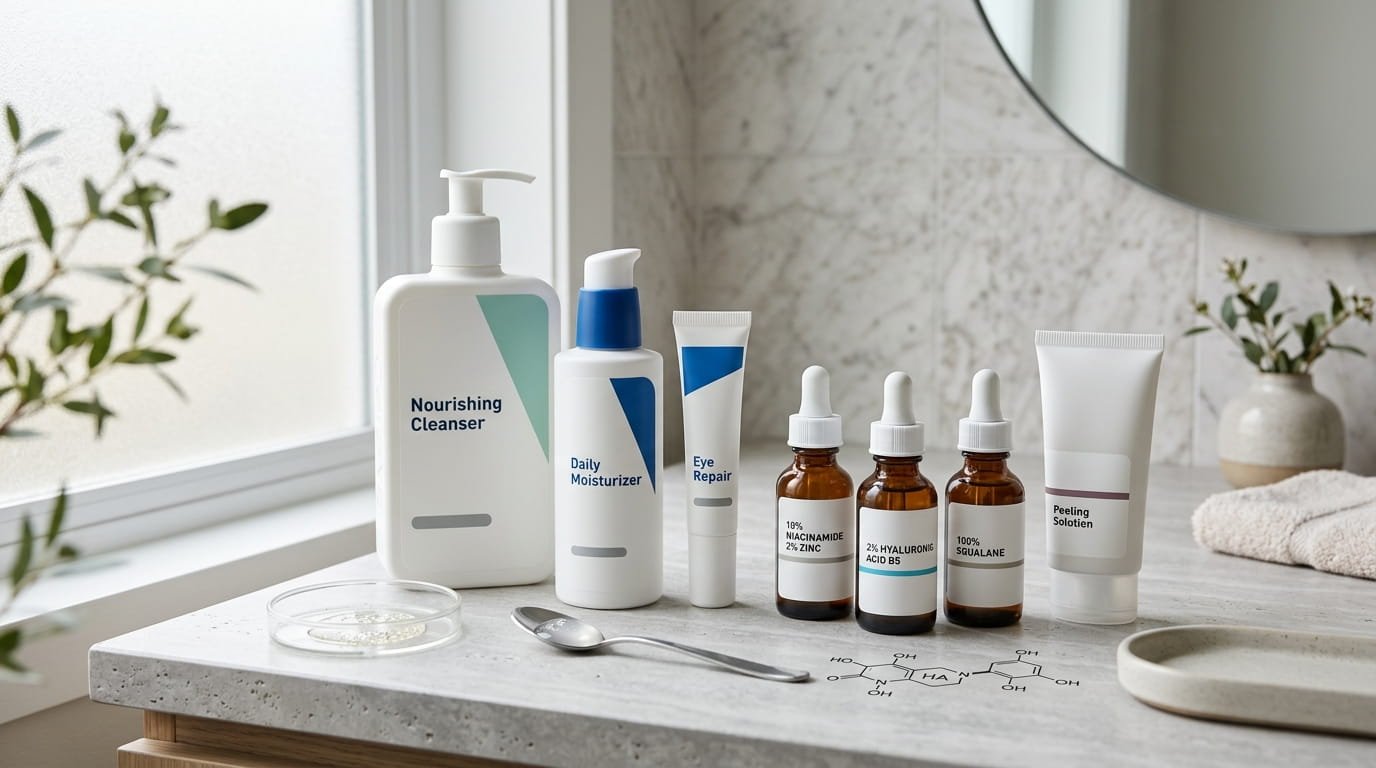
Gen Z skincare comparison of CeraVe and The Ordinary products

Gen Z skincare has moved beyond complicated beauty routines and viral product trends. Today, many younger consumers want products that are affordable, effective, easy to understand, and suitable for their individual skin concerns. That is where the comparison between CeraVe and The Ordinary becomes especially useful.

Both brands offer accessible skincare, but they approach formulations differently. CeraVe is strongly associated with skin-barrier support, ceramides, gentle cleansers, and moisturizers. The Ordinary, meanwhile, is known for targeted formulations featuring ingredients such as niacinamide, hyaluronic acid, salicylic acid, glycolic acid, retinoids, and peptides. CeraVe says its products are developed with dermatologists and commonly feature three essential ceramides, while The Ordinary focuses on specific active ingredients and concern-based formulations.

So, which one is more effective?

There is no universal winner. The better choice depends on your skin type, current concerns, tolerance for active ingredients, budget, and how simple you want your routine to be. This guide compares CeraVe vs. The Ordinary across those factors so you can build a more sensible Gen Z skincare routine.

CeraVe vs. The Ordinary: What Is the Main Difference?

The biggest difference is their overall approach to skincare.

CeraVe generally emphasizes maintaining the skin barrier while providing cleansing, hydration, and targeted treatment options. Its formulas commonly include ceramides, hyaluronic acid, and, depending on the product, niacinamide or other active ingredients.

The Ordinary takes a more ingredient-focused approach. Instead of relying primarily on a small group of foundational products, its range includes many targeted formulations designed around particular ingredients and concerns. Its current lineup includes niacinamide, hyaluronic acid, glycolic acid, salicylic acid, retinoids, peptides, alpha arbutin, and other treatments.

This distinction makes the brands complementary rather than direct substitutes.

Category CeraVe The Ordinary
Main approach Barrier care and everyday skincare Targeted active ingredients
Strength Cleansers and moisturizers Serums and treatment products
Best known ingredients Ceramides, hyaluronic acid, niacinamide Niacinamide, acids, HA, peptides, retinoids
Beginner friendliness Generally high Depends on product
Routine simplicity Easier to build Requires more ingredient knowledge
Treatment variety Broad Very broad
Barrier-focused options Strong Available and expanding
Customization Moderate High
Best for Simple, consistent routines Specific skin concerns

Why CeraVe Appeals to Gen Z Skincare Users

One reason CeraVe fits well into a beginner-friendly routine is its focus on the skin barrier.

The skin barrier helps reduce moisture loss and protects the skin from external irritants. CeraVe states that its products are formulated with three essential ceramides to help restore and maintain the skin barrier.

This approach can be particularly useful when someone has been experimenting with too many active ingredients.

For example, a young person might start using an exfoliating acid, retinoid, acne treatment, and several serums at the same time. Instead of producing better results, that combination can leave the skin dry, irritated, or uncomfortable.

A simple cleanser and moisturizer can therefore provide a useful foundation.

CeraVe currently offers facial cleansers, moisturizers, serums, and sunscreens, with different formulas aimed at different skin types and concerns.

CeraVe’s Barrier-Focused Ingredients

Ingredient General role in skincare
Ceramides Help support the skin barrier
Hyaluronic acid Helps attract and retain moisture
Niacinamide Can support hydration and calm the appearance of irritation
Petrolatum Helps reduce moisture loss
Dimethicone Provides a protective, smoothing layer

For instance, CeraVe’s Hydrating Facial Cleanser contains ceramides and hyaluronic acid and is designed to cleanse without leaving normal-to-dry skin feeling stripped.

That makes this type of product useful for someone who wants to establish a basic routine before adding stronger treatments.

Why The Ordinary Appeals to Gen Z

The Ordinary has a different attraction: customization.

The brand’s current product range allows consumers to choose formulas based on specific concerns. For example, its official Pakistan site lists Niacinamide 10% + Zinc 1%, Hyaluronic Acid 2% + B5, Glycolic Acid 7% Exfoliating Toner, Salicylic Acid 2% Solution, retinoids, and several peptide formulations.

That ingredient-focused approach can be appealing to Gen Z consumers who research skincare ingredients through social media, beauty communities, and educational content.

However, customization comes with responsibility.

Buying several individual active products does not automatically create a better routine. In fact, combining too many strong treatments can make a routine unnecessarily complicated.

Popular The Ordinary Ingredients

Ingredient Common skincare purpose
Niacinamide Oil control, brightness and smoother-looking skin
Hyaluronic acid Hydration
Salicylic acid Pore congestion and texture
Glycolic acid Exfoliation and appearance of uneven texture
Retinoids Texture and signs of aging
Alpha arbutin Appearance of dark spots
Peptides Support for skin appearance and firmness

The Ordinary itself describes its Salicylic Acid 2% Solution as a product targeting textural irregularities, pore congestion and dullness.

Therefore, The Ordinary can be especially useful when you already understand what your skin needs.

Which Brand Is Better for Beginners?

For someone completely new to skincare, CeraVe may be easier to start with.

That does not mean The Ordinary is unsuitable for beginners. Rather, CeraVe’s range makes it relatively straightforward to establish the basic steps of cleansing and moisturizing before introducing treatment products.

The American Academy of Dermatology recommends a simple foundation of gentle cleansing, fragrance-free moisturizer, and broad-spectrum, water-resistant SPF 30 or higher. It also emphasizes that consistency is more useful than building an unnecessarily complicated routine.

A basic beginner routine could therefore look like this:

Morning Evening
Gentle cleanser Gentle cleanser
Moisturizer Moisturizer
Broad-spectrum SPF 30+ Optional targeted treatment

Once your skin is comfortable with those basics, you can consider adding one targeted active.

Which Is Better for Acne-Prone Skin?

Neither brand automatically wins for acne because acne treatment depends on the type and severity of the problem.

The Ordinary offers products containing salicylic acid, which is commonly used to address pore congestion and uneven texture.

CeraVe also has acne-focused products. For example, its Acne Control Cleanser contains 2% salicylic acid and is marketed for acne-prone skin, blackheads, and the appearance of pores.

The difference is partly in how the products fit into a routine.

Acne concern Potentially useful direction
Mild congestion Salicylic-acid cleanser or treatment
Oily skin Lightweight, non-comedogenic hydration
Dry acne-prone skin Acne treatment + barrier-supporting moisturizer
Persistent acne Professional dermatological evaluation
Irritated acne-prone skin Simplify routine and focus on barrier care

Importantly, moisturizer should not automatically be avoided because you have acne. The AAD explains that acne treatments such as benzoyl peroxide, salicylic acid and retinoids can dry and irritate skin, making moisturizer useful for improving tolerance.

CeraVe vs. The Ordinary for Dry Skin

For dry or easily irritated skin, CeraVe may have the advantage because barrier support is central to many of its products.

Its Daily Moisturizing Lotion, for example, contains three essential ceramides and hyaluronic acid and is designed for normal-to-dry skin.

The Ordinary also offers moisturizing products. Its Natural Moisturizing Factors + HA is designed to support the skin barrier, while newer options such as Natural Moisturizing Factors + PhytoCeramides provide a richer moisturizing approach.

Dry-skin need CeraVe The Ordinary
Basic daily hydration Excellent range Good
Barrier support Strong Stronger options available
Simple routine Excellent Moderate
Targeted serums Good Excellent
Sensitive-skin simplicity Often easier Depends on active selected

Consequently, someone with dry skin who wants a simple routine may find CeraVe easier, while someone who wants to add targeted hydration treatments may prefer The Ordinary.

Which Brand Is Better for Oily Skin?

Oily skin still needs hydration.

The goal is not to remove every trace of oil. Instead, a good routine should clean the skin without excessively stripping it and then provide lightweight moisture.

CeraVe offers oil-control and lightweight gel moisturizers, including formulas containing ceramides, hyaluronic acid and niacinamide.

The Ordinary, meanwhile, offers targeted products such as Niacinamide 10% + Zinc 1%, which the brand describes as helping with oil control, brightness and smoothness.

Therefore, oily Gen Z skin can potentially benefit from either brand.

The better choice depends on whether your main priority is hydration and barrier maintenance or targeted oil and congestion management.

Which Brand Is Better for Sensitive Skin?

Sensitive skin requires a more cautious approach.

The biggest mistake is assuming that a high concentration of an active ingredient will automatically produce faster results.

It may not.

The AAD recommends gentle, non-abrasive cleansing and regular moisturizing, while also noting that fragrance-free products can be preferable for people prone to irritation.

CeraVe offers many fragrance-free products, including its Hydrating Facial Cleanser and Daily Moisturizing Lotion.

The Ordinary also has products designed around simpler ingredient profiles, but its wide range of acids and active treatments means users need to choose carefully.

For sensitive skin, start with the basics before adding multiple treatments.

CeraVe vs. The Ordinary for Dark Spots and Uneven Tone

Dark spots are another area where The Ordinary can be attractive because the brand offers several targeted formulations.

For example, The Ordinary lists Alpha Arbutin 2% + HA as a product designed to reduce the appearance of dark spots. Its range also includes vitamin C formulations and exfoliating acids.

CeraVe also offers products aimed at improving the appearance of uneven tone, but the brand’s overall approach remains strongly connected to cleansing, hydration, barrier care and targeted skincare.

Goal Better starting point
Basic hydration CeraVe
Skin-barrier support CeraVe
Dark-spot-focused routine The Ordinary
Simple daily routine CeraVe
Ingredient experimentation The Ordinary
Multiple targeted actives The Ordinary

However, treating pigmentation requires patience. More products do not necessarily mean faster improvement.

Daily sun protection is also essential because UV exposure can worsen the appearance of pigmentation. A broad-spectrum SPF 30 or higher is part of the AAD’s recommended basic skincare approach.

Which Brand Offers Better Moisturizers?

Both brands have strong moisturizer options, but they serve slightly different preferences.

CeraVe’s moisturizer range emphasizes ceramides, hyaluronic acid and barrier support. Its products range from lightweight lotions to richer creams and specialized formulas.

The Ordinary offers products such as Natural Moisturizing Factors + HA and Natural Moisturizing Factors + PhytoCeramides.

Moisturizer factor CeraVe The Ordinary
Lightweight options Yes Yes
Rich moisturizers Yes Yes
Ceramide-focused formulas Strong Available
Simple beginner choice Strong Strong
Ingredient experimentation Moderate Strong
Barrier-focused positioning Very strong Increasingly prominent

So, the “better” moisturizer depends more on texture, skin type and personal tolerance than the logo on the bottle.

Can You Use CeraVe and The Ordinary Together?

Yes, the two brands can be used together.

In fact, combining them can make sense because they often serve different roles.

For example:

Morning

  1. CeraVe cleanser
  2. The Ordinary targeted serum, if appropriate
  3. CeraVe moisturizer
  4. Broad-spectrum sunscreen

Evening

  1. CeraVe cleanser
  2. The Ordinary treatment
  3. CeraVe moisturizer

This structure allows a barrier-focused brand to provide the routine’s foundation while a targeted product addresses a specific concern.

However, do not introduce several active ingredients simultaneously.

Start with one treatment and give your skin time to adjust.

The Biggest Gen Z Skincare Mistake: Too Many Actives

Social media can make skincare look like a collection of bottles rather than a health routine.

That can encourage people to buy:

  • Niacinamide
  • Vitamin C
  • Glycolic acid
  • Salicylic acid
  • Retinol
  • Peptides
  • Multiple toners
  • Several masks

The problem is not necessarily the ingredients themselves. The problem is using too many treatments without understanding their purpose or compatibility.

The AAD specifically notes that “more is not more” and that consistency matters more than a 10-step routine.

A simpler approach is usually easier to evaluate.

If your skin improves, you know which products are helping. If irritation develops, you can also identify the likely cause more easily.

A Simple Gen Z Skincare Routine Using Both Brands

For someone starting from scratch, simplicity is a better target than a large product collection.

Morning Routine

Step Product type Example brand direction
1 Gentle cleanser CeraVe
2 Optional treatment The Ordinary
3 Moisturizer CeraVe or The Ordinary
4 Sunscreen Broad-spectrum SPF 30+

Evening Routine

Step Product type Example brand direction
1 Cleanser CeraVe
2 Targeted treatment The Ordinary
3 Moisturizer CeraVe
4 Optional occlusive Only if appropriate for dryness

The exact products should depend on your skin type and concerns.

If your skin is already irritated, skip unnecessary active treatments and concentrate on gentle cleansing and moisturizing until it settles.

CeraVe vs. The Ordinary: Which One Should You Buy?

A simple decision framework can make the choice easier.

If your priority is… Consider
Building your first routine CeraVe
Supporting the skin barrier CeraVe
Dry or sensitive skin CeraVe
Simple daily hydration CeraVe
Targeting one specific concern The Ordinary
Niacinamide The Ordinary
Salicylic acid treatment The Ordinary
Glycolic acid treatment The Ordinary
Retinoid options The Ordinary
Customizing a routine The Ordinary
Combining foundational and targeted products Both

This does not mean every CeraVe product is gentle for every person or every The Ordinary product is harsh.

Individual formulas matter.

Always check the current ingredient list on the package because formulations can change. CeraVe explicitly advises consumers to consult the ingredient list on their product packaging for the most up-to-date information. The Ordinary likewise notes that ingredient lists can vary by time and region.

What Competitors Often Miss About CeraVe vs. The Ordinary

The most useful way to compare these brands is not to ask which company is universally better.

Instead, ask which product solves your actual problem.

A moisturizer cannot replace an acne treatment. A serum cannot replace sunscreen. An exfoliating acid is not automatically better than a gentle cleanser. Likewise, a barrier-focused moisturizer does not become ineffective simply because it contains fewer “exciting” active ingredients.

This is particularly relevant for Gen Z consumers because skincare trends can change quickly.

One month, a particular acid may be popular. The next month, another ingredient may dominate social media.

Your skin, however, does not need to follow every trend.

Consistency, appropriate ingredients and tolerability usually matter more than owning the newest viral product. The AAD’s guidance supports this simpler approach, particularly for younger people building healthy routines.

Another overlooked point is that CeraVe and The Ordinary do not have to compete for the same place in your routine.

CeraVe can provide the foundation.

The Ordinary can provide targeted treatments.

That combination may make more sense than forcing yourself to choose one brand exclusively.

How Long Does It Take to See Skincare Results?

Results vary depending on the product and concern.

Hydrating products can make skin feel more comfortable relatively quickly. However, concerns such as acne, pigmentation and texture generally require more patience.

For acne specifically, the AAD notes that studies commonly evaluate improvement over several weeks rather than expecting immediate results.

A useful approach is to take consistent photos under similar lighting rather than judging your skin several times a day.

This provides a more realistic way to notice gradual changes.

Frequently Asked Questions

Is CeraVe better than The Ordinary?

Neither brand is universally better. CeraVe is particularly useful for foundational skincare, hydration and barrier support, while The Ordinary offers a wide range of targeted active ingredients. The best choice depends on your skin type and specific concern. In many routines, using products from both brands can make sense.

Is The Ordinary good for Gen Z skin?

Yes, The Ordinary can be useful for Gen Z skincare because it offers targeted products for concerns such as oiliness, congestion, uneven tone and hydration. However, beginners should avoid adding multiple strong actives at once. A simple cleanser, moisturizer and sunscreen routine should generally come first.

Can I use CeraVe and The Ordinary together?

Yes. CeraVe can provide cleanser and moisturizer steps, while The Ordinary can provide a targeted serum or treatment. However, avoid combining several exfoliating acids or strong treatments without understanding how they interact. Introduce new products gradually and stop if significant irritation develops.

Which is better for acne, CeraVe or The Ordinary?

Both brands offer products that may fit acne-prone routines. CeraVe has salicylic-acid cleansing options, while The Ordinary offers targeted salicylic-acid products. However, persistent or severe acne may require professional treatment rather than simply adding more skincare products.

Which is better for dry skin?

CeraVe is often an easier starting point for dry skin because many of its products emphasize ceramides, hyaluronic acid and barrier support. The Ordinary also offers moisturizing products, including Natural Moisturizing Factors + HA and richer formulations. The best option ultimately depends on the texture and ingredients your skin tolerates.

Is The Ordinary too strong for beginners?

Not necessarily. The Ordinary has both gentle and more active products. The main issue is choosing the right formula and not using too many treatments simultaneously. Beginners should start with a simple routine and introduce one targeted active at a time.

Does CeraVe work for oily skin?

Yes. CeraVe offers lightweight and oil-control moisturizers as well as cleansers designed for normal-to-oily skin. Oily skin still needs hydration, so removing moisturizer completely can be counterproductive. Choosing a lightweight, non-comedogenic formula may provide hydration without an overly greasy feel.

Do I need both CeraVe and The Ordinary?

No. You do not need both brands. One brand can provide your entire routine if its products meet your needs. However, using CeraVe for basic cleansing and moisturizing alongside one or two targeted The Ordinary treatments can be a practical combination for some people.

Final Verdict: Gen Z Skincare — CeraVe vs. The Ordinary

The CeraVe vs. The Ordinary debate does not have a single winner.

CeraVe stands out when the priority is a simple, consistent foundation built around cleansing, hydration and skin-barrier support. Its ceramide-focused approach makes the brand particularly useful for people who want straightforward daily skincare.

The Ordinary stands out when the goal is targeted treatment. Its range includes products designed around ingredients such as niacinamide, hyaluronic acid, salicylic acid, glycolic acid, retinoids and peptides.

For many Gen Z skincare routines, the smartest approach is not choosing one brand over the other.

Instead, build the foundation first: cleanse gently, moisturize consistently and use broad-spectrum sunscreen. Then, if you have a specific concern, add an appropriate treatment gradually.

In other words, effective skincare is less about having the biggest collection of products and more about using the right products consistently.


Continue Reading
Click to comment

Leave a Reply

Your email address will not be published. Required fields are marked *

Blogs

Best Exercises for Pregnant Women at Home: Safe Guide

Published

on

Safe exercises for pregnant women at home

Finding the best exercises for pregnant women at home does not mean following an intense workout plan. For most healthy pregnancies, regular moderate physical activity can support cardiovascular health, help manage pregnancy-related weight gain, and reduce the risk of gestational diabetes. Current CDC guidance recommends at least 150 minutes of moderate-intensity aerobic activity each week, although you can divide that time into smaller sessions.

At home, you can stay active without expensive equipment or a complicated routine. Walking, pelvic floor exercises, gentle prenatal yoga, modified strength movements, and mobility exercises can all fit into a pregnancy-friendly schedule.

However, pregnancy changes throughout each trimester. Therefore, an exercise that feels comfortable early in pregnancy may need modification later. If you have a pregnancy complication, have been advised to restrict activity, or feel unsure about exercise, speak with your obstetrician, midwife, or other maternity care professional before starting.

Pregnancy safety note: This article provides general educational information, not individualized medical advice. Your pregnancy history and current health should determine which activities are appropriate for you.

Why Exercise Matters During Pregnancy

Physical activity offers several potential benefits during pregnancy. According to the CDC, moderate-intensity activity can help maintain cardiovascular fitness, reduce the risk of excessive pregnancy weight gain, and lower the risk of gestational diabetes.

Exercise can also make everyday movement more comfortable. For example, strengthening the muscles around your legs, hips, back, and core can help you manage changes in posture and body weight.

There is another practical benefit: movement can support your mental well-being. Pregnancy can bring fatigue, stress, sleep changes, and physical discomfort. A short walk or gentle mobility session may feel much more manageable than a long workout.

Most importantly, you do not need to exercise perfectly.

The CDC specifically notes that some physical activity is better than none. You can split your weekly target into manageable sessions instead of trying to complete a long workout at once.

Best Exercises for Pregnant Women at Home

The best exercises for pregnant women at home should be comfortable, adaptable, low-impact, and appropriate for your current stage of pregnancy.

Here are several practical options.

1. Walking Indoors or Around Your Home

Walking remains one of the simplest pregnancy exercises.

You can walk around your home, use a treadmill if you have one, or walk outside near your home when conditions allow. The NHS describes walking as a useful way to stay active during pregnancy, particularly for people who did not exercise regularly before pregnancy.

Start with a comfortable pace. You should generally be able to maintain a conversation while exercising. If you become too breathless to talk comfortably, slow down.

A simple home walking routine could look like this:

  • 5 minutes of easy walking
  • 10–20 minutes at a comfortable moderate pace
  • 5 minutes of slower walking

You can also divide the activity into shorter sessions. For example, three 10-minute walks can make exercise easier when fatigue or a busy schedule gets in the way.

2. Pelvic Floor Exercises

Pelvic floor exercises deserve a place in almost every pregnancy exercise discussion.

These exercises target the muscles that support the bladder, bowel, and pelvic organs. The NHS recommends pelvic floor exercises during pregnancy and suggests practicing them regularly.

To practice:

  1. Sit, stand, or lie in a comfortable position.
  2. Imagine that you are gently stopping the flow of urine and preventing the passage of gas.
  3. Tighten the pelvic floor muscles without squeezing your buttocks or holding your breath.
  4. Hold briefly, then relax completely.
  5. Repeat with both slower and quicker contractions.

Avoid practicing pelvic floor exercises while actually urinating. Instead, use the bathroom normally and perform the exercises afterward.

If you experience pelvic pain, pressure, or difficulty identifying the correct muscles, ask a pelvic-health physiotherapist or maternity professional for guidance.

3. Gentle Prenatal Yoga

Prenatal yoga can combine controlled movement, breathing, balance, and gentle stretching.

However, pregnancy-friendly yoga differs from an intense yoga class. Choose routines specifically designed for pregnancy and modify positions as your body changes.

The NHS lists prenatal yoga among suitable pregnancy activities and notes that it can help with relaxation and body tension.

At home, focus on:

  • Gentle hip mobility
  • Comfortable standing poses
  • Controlled breathing
  • Supported stretching
  • Upper-back mobility
  • Relaxation exercises

Avoid pushing into deep stretches simply because you could do them before pregnancy. Pregnancy hormones and physical changes can alter joint stability and flexibility.

4. Wall Push-Ups

Wall push-ups offer a simple way to maintain upper-body strength without getting onto the floor.

Stand facing a wall with your hands at approximately chest height. Step back slightly, keep your body aligned, bend your elbows to bring your chest toward the wall, and then push gently away.

You can adjust the difficulty by changing your distance from the wall.

This movement can work well as part of a short home strength session. Nevertheless, stop if you experience pain, dizziness, unusual shortness of breath, or other concerning symptoms.

5. Supported Sit-to-Stand Exercises

Sit-to-stand movements mimic an activity you perform every day: getting up from a chair.

Use a stable chair that does not slide easily. Sit comfortably, place your feet under your knees, lean forward slightly, and stand using your legs. Then slowly sit back down.

You can keep your hands near a stable surface for additional support.

This exercise can strengthen the muscles involved in everyday movement, particularly the thighs and hips. As pregnancy progresses, you may need to widen your stance or reduce the number of repetitions.

6. Standing Leg Lifts

Standing leg movements can provide gentle hip-strengthening work without requiring you to lie down.

Hold a sturdy countertop or another stable support. Slowly move one leg backward or slightly to the side while maintaining an upright posture. Return to the starting position and repeat on the other side.

Keep the movement controlled rather than swinging your leg.

If your balance changes later in pregnancy, use more support. Safety matters more than increasing repetitions.

7. Quadruped Back Mobility

The NHS recommends a gentle abdominal and back exercise performed from a hands-and-knees position. This position can allow you to work your abdominal muscles while moving your back carefully.

Start on your hands and knees with your hands under your shoulders and knees under your hips. Gently engage your abdominal muscles and move your back toward a comfortable rounded position, then return slowly toward neutral.

The movement should remain controlled.

Do not force the range of motion. If the position causes wrist, knee, pelvic, or back discomfort, stop and ask a healthcare professional about a suitable modification.

Best Exercises for Pregnant Women at Home by Trimester

Pregnancy does not require you to use the same routine from beginning to end.

Instead, think of exercise as something you adapt.

Pregnancy stage Useful focus What to consider
First trimester Walking, pelvic floor, gentle strength, mobility Fatigue and nausea may affect consistency
Second trimester Walking, modified strength, prenatal yoga, pelvic floor Balance and body shape may change
Third trimester Gentle walking, mobility, pelvic floor, supported strength Reduce intensity and prioritize comfort and stability

These categories provide general guidance rather than individualized exercise prescriptions.

First Trimester

During the first trimester, some women can continue their normal activities if their healthcare provider has no concerns. Others may experience significant nausea or fatigue.

Therefore, flexibility matters.

A 10-minute walk may be more realistic than a 40-minute workout on a difficult day. You can build your activity gradually when you feel better.

If you already exercised regularly before pregnancy, you may be able to continue with appropriate modifications. However, pregnancy is not the right time to suddenly begin an intense exercise program if you were previously inactive. The NHS recommends starting gently when you have not exercised regularly.

Second Trimester

As your abdomen grows, your balance and movement patterns can change.

At this stage, many women find walking, prenatal yoga, pelvic floor exercises, and supported strength exercises practical.

You should also pay attention to positions that involve lying flat on your back for extended periods. The NHS advises avoiding exercise that involves prolonged time on the back, particularly after 16 weeks, because the growing uterus can affect blood return to the heart and contribute to dizziness or faintness.

Third Trimester

During the third trimester, comfort and stability become even more important.

Walking can remain useful, although you may need shorter sessions. Supported exercises can also work better than movements that challenge your balance.

Instead of asking, “How hard can I train?” ask, “Can I move comfortably and safely today?”

That shift often produces a more sustainable routine.

A Simple Home Workout Plan

If your healthcare provider has cleared you for exercise, you can build a simple routine around moderate activity.

Here is an example:

Exercise Suggested focus
Easy walking 5 minutes
Moderate walking 10–20 minutes
Wall push-ups 8–12 controlled repetitions
Sit-to-stand 8–12 repetitions
Supported leg lifts 8–12 per side
Pelvic floor exercises Several controlled contractions
Gentle mobility 5 minutes

You do not need to complete every movement every day.

For example, you could walk most days and add gentle strength work two or three times per week. Your healthcare professional can help you adapt the routine if you have specific medical or pregnancy-related concerns.

How Hard Should Pregnancy Exercise Feel?

Intensity matters more than simply counting repetitions.

One practical guide from the NHS is the conversation test: you should generally be able to talk while exercising. If you become too breathless to maintain a conversation, reduce the intensity.

Also pay attention to how you feel during and after exercise.

You may need to slow down when:

  • Your pregnancy progresses
  • The weather becomes hot
  • You feel unusually tired
  • You have not eaten or hydrated adequately
  • Your balance changes
  • A particular movement becomes uncomfortable

You do not need to reach exhaustion for exercise to provide value.

Best Exercises for Pregnant Women at Home: Safety Rules

Safety should come before workout intensity.

The NHS recommends warming up and cooling down, staying hydrated, avoiding strenuous exercise in hot conditions, and listening to your body.

Follow these basic principles:

Warm up first. Start with gentle walking and mobility before increasing your pace.

Drink fluids. Keep water nearby, particularly during longer sessions.

Avoid overheating. Hot and humid environments can make exercise harder and increase discomfort.

Use stable surfaces. Clear loose rugs, cables, toys, and other obstacles from your workout area.

Wear supportive footwear. Comfortable shoes can help with stability during walking and standing exercises.

Modify as your body changes. An exercise that worked well several weeks ago may require a smaller range of motion now.

Prioritize control. Slow, controlled movements generally make more sense than rushing through repetitions.

Exercises and Activities to Avoid or Approach Carefully

Not every exercise suits pregnancy.

The NHS advises avoiding activities that carry a significant risk of falling or being hit in the abdomen. It also advises against scuba diving during pregnancy.

Examples include:

  • Contact sports with a risk of abdominal impact
  • Activities with a substantial fall risk
  • Scuba diving
  • Prolonged exercise lying flat on the back, particularly after 16 weeks
  • Strenuous exercise in excessive heat

The CDC also advises avoiding activities that require lying flat on the back after the first trimester.

That does not mean every movement involving the back becomes automatically dangerous. Instead, position, duration, comfort, and your individual pregnancy circumstances all matter.

When You Should Stop Exercising

Some symptoms require more than simply reducing the workout.

Stop exercising and contact your maternity care professional if you experience concerning symptoms such as unusual bleeding, significant pain, fainting, or other symptoms that worry you.

You should also seek medical advice about exercise if your pregnancy involves complications or your healthcare team has recommended activity restrictions.

The safest approach is simple: do not try to push through symptoms just to complete a workout.

Common Mistakes With Pregnancy Workouts

Even when someone chooses the right type of exercise, small mistakes can make the routine unnecessarily difficult.

Trying to Maintain a Pre-Pregnancy Routine

Your body changes throughout pregnancy. Therefore, trying to maintain exactly the same pace, weight, distance, or number of repetitions can create unnecessary pressure.

Adapt instead.

Exercising Only When You Have a Large Block of Free Time

A 30-minute workout can feel impossible when you’re tired or busy.

Instead, use smaller sessions. The CDC confirms that physical activity can be divided into shorter periods while still contributing toward the weekly goal.

Ignoring Balance Changes

As your center of gravity changes, certain exercises can become less stable.

Use a wall, countertop, or sturdy chair when appropriate.

Treating Pain as a Sign of a Good Workout

Pregnancy exercise should not require you to ignore significant pain.

Muscle effort and mild exertion differ from sharp, persistent, or concerning pain. When something feels wrong, stop and reassess.

A Better Way to Build a Weekly Routine

You do not need to exercise for hours.

A practical weekly structure could include:

Day Example activity
Monday 25–30 minutes of walking
Tuesday Walking + gentle strength
Wednesday Short walk + mobility
Thursday Walking + pelvic floor exercises
Friday Gentle prenatal yoga + walking
Saturday Comfortable walk
Sunday Rest or light movement

This structure can help you work toward the CDC’s 150-minute moderate-activity target without making every day feel like a formal workout.

If 150 minutes feels unrealistic at first, start with smaller amounts and gradually increase your activity when appropriate.

Unique Insight: Consistency Beats Intensity During Pregnancy

One of the most useful ways to approach the best exercises for pregnant women at home is to stop thinking about exercise as a test of fitness.

Pregnancy creates changing demands. Some days may feel energetic; others may involve nausea, poor sleep, back discomfort, or simple exhaustion.

Consequently, a flexible routine can work better than an ambitious one.

For example, on a high-energy day you might complete a 30-minute walk and a short strength session. On a difficult day, a gentle 10-minute walk may be enough.

The goal is not to prove that you can maintain your pre-pregnancy performance. The goal is to support healthy movement while respecting the changes happening in your body.

Frequently Asked Questions

What are the best exercises for pregnant women at home?

For most healthy pregnancies, useful home options include walking, pelvic floor exercises, gentle prenatal yoga, modified strength exercises, and mobility work. The CDC recommends at least 150 minutes of moderate-intensity aerobic activity per week for healthy pregnant women, although you can divide that activity into smaller sessions.

Can I exercise at home every day while pregnant?

Many healthy pregnant women can remain physically active every day, provided they choose an appropriate intensity and their healthcare professional has not advised restrictions. Daily walking and gentle mobility can work well. However, you should adjust your activity according to fatigue, discomfort, pregnancy stage, and medical advice.

Is walking enough exercise during pregnancy?

Walking can provide meaningful moderate-intensity aerobic activity and represents one of the easiest ways to stay active during pregnancy. The NHS specifically recommends walking as a practical pregnancy activity. You can also combine walking with pelvic floor work and suitable strength exercises for a more varied routine.

Can I do strength exercises while pregnant?

Many healthy pregnant women can perform appropriately modified strength exercises. Wall push-ups, supported sit-to-stands, and controlled standing movements can provide practical options at home. However, your healthcare provider should guide you if you have pregnancy complications, previous medical concerns, or restrictions on physical activity.

Can I do prenatal yoga at home?

Yes, prenatal yoga can provide gentle movement, stretching, breathing, and relaxation. Choose routines specifically designed for pregnancy rather than advanced routines that require extreme flexibility or challenging balance positions. The NHS includes prenatal yoga among suitable pregnancy activities.

Conclusion

The best exercises for pregnant women at home do not need to be complicated. Walking, pelvic floor exercises, gentle prenatal yoga, mobility work, and supported strength movements can provide practical ways to stay active while pregnancy progresses.

At the same time, exercise should remain adaptable. Start gently if you were previously inactive, use the conversation test to judge moderate intensity, stay hydrated, avoid overheating, and modify positions as your body changes.

Most importantly, pregnancy exercise should work with your body rather than against it. If your pregnancy has complications or you develop concerning symptoms, pause your routine and speak with your maternity care professional before continuing.

Continue Reading

Education

Cyberbullying in Middle School: Recognizing the Hidden Signs

Published

on

Cyberbullying in middle school hidden signs and online student safety

Cyberbullying in middle school can be difficult to recognize because it does not always involve obvious threats or public insults. A student may simply stop participating in group chats, become anxious after checking a phone, avoid school, or suddenly lose interest in activities they once enjoyed. These changes can look like ordinary teenage behavior, yet they may signal a deeper problem.

Middle school students face a particularly complicated social environment. Friend groups change quickly, online conversations continue after school, and a single post or screenshot can reach a large audience within minutes. As a result, cyberbullying can follow a student from the classroom to the home and leave little opportunity to escape it.

Recognizing the hidden signs early can make a significant difference. This guide explains what cyberbullying in middle school looks like, why some students hide it, which behavioral and digital warning signs deserve attention, and how families and schools can respond without making the situation worse.

What Is Cyberbullying in Middle School?

Cyberbullying refers to repeated or harmful behavior carried out through digital technology with the intention or effect of intimidating, humiliating, excluding, threatening, or harming another person.

For middle school students, it can occur through:

  • Group chats and direct messages
  • Social media platforms
  • Online gaming communities
  • School-related messaging groups
  • Video-sharing platforms
  • Comments and public posts
  • Fake or impersonation accounts
  • Shared photos, videos, or screenshots

Not every online disagreement qualifies as cyberbullying. Students sometimes argue, misunderstand one another, or make insensitive comments without an ongoing pattern of harassment.

However, repeated targeting, deliberate humiliation, social exclusion, threats, impersonation, or the distribution of private material can indicate a much more serious problem.

Why Cyberbullying Can Be Difficult to See

Traditional bullying may leave visible clues, such as damaged belongings or physical injuries. Digital harassment often leaves different evidence.

A student may be sitting quietly at the dinner table while receiving dozens of hostile messages. Adults may never see the original posts because the student deletes them or the platform removes them.

Therefore, behavioral changes often become the first visible warning signs.

Hidden Signs of Cyberbullying Parents Should Watch For

One unusual behavior does not automatically prove that a child is being bullied. Instead, look for patterns, sudden changes, and combinations of warning signs.

1. Sudden Changes in Phone or Internet Habits

A student who previously enjoyed social media may suddenly stop using it. Another child might constantly check notifications but become visibly upset afterward.

Both reactions can be meaningful.

Watch for:

  • Suddenly avoiding a phone or computer
  • Checking notifications repeatedly
  • Hiding the screen whenever someone approaches
  • Deleting messages or accounts unexpectedly
  • Creating new accounts without explanation
  • Becoming nervous when receiving notifications
  • Refusing to participate in online activities

Some students may also ask parents to take away their phone. If this behavior appears alongside anxiety or social withdrawal, a calm conversation may be appropriate.

2. Avoiding School or Certain Classes

Cyberbullying can affect school attendance even when the harassment happens outside school hours.

A student may begin reporting vague physical complaints before school. They might also ask to stay home, arrive late, or suddenly dislike a particular class or activity.

Look for changes such as:

  • Frequent requests to stay home
  • Anxiety before school
  • Avoiding specific classmates
  • Sudden reluctance to attend extracurricular activities
  • Declining participation in school events

The connection may not be obvious at first. However, online harassment often involves the same peer group the student encounters at school.

3. Losing Interest in Friends and Activities

Middle school friendships naturally change. Nevertheless, a sudden withdrawal from nearly everyone can deserve attention.

A student who once enjoyed sports, gaming, clubs, or spending time with friends may suddenly isolate themselves.

The key question is not simply, “Is my child spending more time alone?”

Instead, ask:

“Has their normal pattern of social interaction changed significantly?”

A noticeable shift can provide an important reason to check in.

4. Mood Changes After Using Digital Devices

Pay attention to what happens immediately after the student uses a phone, tablet, computer, or gaming system.

For example, a child may appear relaxed before checking a group chat and become angry, embarrassed, frightened, or tearful afterward.

Repeated emotional changes connected to digital activity can be more informative than general moodiness.

5. Sleep Problems

Digital harassment can interfere with sleep because students may worry about what others are posting while they are offline.

Some students stay awake checking messages. Others may struggle to sleep because they anticipate another humiliating post the next morning.

Possible signs include:

  • Difficulty falling asleep
  • Waking during the night to check notifications
  • Fatigue during school
  • Asking to sleep near a parent
  • Increased nighttime anxiety

Sleep changes have many possible causes, so they should be considered alongside other warning signs rather than treated as proof of cyberbullying.

Digital Warning Signs That Are Easy to Miss

Behavioral changes matter, but digital clues can also provide useful context.

Repeated Account Changes

Frequent username changes, deleted profiles, or newly created accounts may indicate that a student is trying to escape unwanted attention.

Likewise, a child who suddenly blocks numerous classmates may be dealing with persistent online conflict.

Unexplained Screenshots

A student may save screenshots without discussing why.

Screenshots can sometimes document harassment, impersonation, threats, or unwanted sharing. Therefore, parents should avoid immediately deleting suspicious messages or demanding that the child erase an account.

Preserving relevant evidence can become useful when reporting serious incidents.

Changes in Group Participation

A student may remain active online but stop communicating with a particular group.

For instance, they might continue playing an online game while avoiding a specific server or group chat. They may also stop appearing in photos with friends.

This can indicate social exclusion rather than general disinterest in technology.

Why Middle School Students Often Hide Cyberbullying

Many students do not immediately tell an adult when something goes wrong online.

There are several reasons.

Fear of Losing Internet Access

A student may believe that reporting the problem will result in parents confiscating their phone or restricting social media.

Consequently, they may decide that staying silent feels safer.

Embarrassment

Cyberbullying can involve personal conversations, embarrassing photographs, rumors, or private information. A student may fear being judged for something they said or shared.

Fear of Making Things Worse

Students may worry that involving an adult will cause the bully to retaliate.

This concern can become stronger when the person responsible belongs to the same school or friend group.

Believing Adults Will Not Understand

Parents may know how to use technology but still be unfamiliar with the social dynamics of a particular platform or online community.

Therefore, the best first response is usually curiosity rather than interrogation.

How Parents Can Talk to a Child About Cyberbullying

The opening conversation can influence whether a student feels comfortable sharing more.

Instead of immediately asking, “Who is bullying you?” try broader questions:

  • “How are things going with your classmates online?”
  • “Have you noticed anything strange in your group chats lately?”
  • “Is anyone making people uncomfortable online?”
  • “What happens when someone has a problem in your friend group?”
  • “Is there anything online that you wish adults understood better?”

If the student starts talking, listen before trying to solve the problem.

Avoid blaming questions such as:

  • “Why did you respond?”
  • “Why did you send that picture?”
  • “Why didn’t you block them?”

A better approach is to say that they can talk about what happened without being immediately punished.

What to Do When Cyberbullying Is Confirmed

Once there is credible evidence of harassment, take practical steps.

Step 1: Stay Calm

The student’s immediate need is usually safety and support.

Reacting with anger can make them less willing to share additional information.

Step 2: Preserve Evidence

Save relevant:

  • Screenshots
  • Messages
  • Usernames
  • Dates and times
  • Profile links
  • Emails
  • Images or videos

Do not encourage the student to continue engaging with the person responsible simply to collect more evidence.

Step 3: Use Platform Reporting Tools

Most major platforms provide tools for reporting harassment, threats, impersonation, or abusive content.

The appropriate reporting category depends on what happened. If the content involves threats or potentially criminal conduct, platform reporting may not be sufficient on its own.

Step 4: Block or Restrict the Account When Appropriate

Blocking can reduce direct contact, although it may not stop content that others continue to share.

Therefore, blocking works best as one part of a broader response.

Step 5: Involve the School When School Relationships Are Involved

If the students attend the same school, parents should consider contacting an appropriate school administrator, counselor, teacher, or safeguarding professional.

Provide factual documentation rather than relying only on assumptions about who is responsible.

Step 6: Escalate Serious Safety Concerns

Threats of violence, stalking, sexual exploitation, blackmail, or credible threats of self-harm require immediate adult intervention and may require emergency or law-enforcement assistance depending on the circumstances.

When immediate danger exists, prioritize physical safety over online evidence collection.

Cyberbullying Response: What Helps and What Can Backfire?

Response Potential benefit Possible problem
Listening calmly Builds trust May feel slow when parents want immediate action
Saving evidence Creates documentation Evidence can disappear if not preserved quickly
Blocking the account Reduces direct contact Does not always stop third-party sharing
Reporting content Alerts the platform Removal decisions can vary
Contacting school staff Addresses school-related peer conflict Poorly handled intervention can increase tension
Removing all internet access Creates immediate distance Child may feel punished or become less willing to report problems
Publicly confronting the bully May feel decisive Can escalate conflict or create additional attention

The goal should not simply be to make the offending account disappear. Instead, the response should protect the student, reduce further harm, document serious conduct, and address the social environment that allows the behavior to continue.

The Difference Between Conflict, Drama, and Cyberbullying

This distinction matters because not every unpleasant online interaction requires the same response.

Situation Typical characteristic Appropriate response
One-time argument Both sides participate in a disagreement Encourage communication and boundaries
Friendship conflict Relationship problems between peers Support healthy conflict resolution
Mean comment Hurtful but isolated statement Address behavior and report if necessary
Repeated harassment Ongoing targeting Document, report, and involve responsible adults
Threat Statement suggesting potential harm Treat seriously and escalate appropriately
Impersonation Someone pretends to be another student Preserve evidence and report the account
Non-consensual sharing Private content distributed without permission Preserve evidence, report, and seek adult support

Context matters. A single message can still be extremely serious if it contains a credible threat or involves exploitation.

How Schools Can Reduce Cyberbullying in Middle School

Schools cannot control every online interaction, but they can create conditions that make reporting easier and reduce the impact of digital harassment.

Establish Clear Digital Conduct Rules

Students should understand what the school considers unacceptable behavior.

Policies should address more than physical bullying. They should also consider harassment through school-related communication channels, impersonation, threats, and harmful digital content when these issues fall within the school’s authority.

Create Confidential Reporting Routes

Students may not report problems if they believe everyone will find out.

Schools can provide multiple reporting options, including trusted adults and confidential or anonymous systems where appropriate.

Teach Digital Citizenship

Digital citizenship should cover practical skills such as:

  • Protecting personal information
  • Understanding screenshots and digital sharing
  • Recognizing manipulation
  • Reporting abusive content
  • Setting privacy controls
  • Respecting consent
  • Understanding the consequences of online behavior

These lessons work best when they use realistic situations rather than simple warnings to “be nice online.”

Technology Can Help, But It Is Not the Whole Solution

Parental controls, privacy settings, screen-time tools, and platform safety features can reduce certain risks.

However, technology cannot replace communication.

A student can bypass a restriction, create another account, use a friend’s device, or move a conversation to another platform. Consequently, technical controls work best when combined with trust, supervision appropriate to the child’s age, and clear expectations.

Parents should also periodically review privacy settings because platforms frequently change their menus and safety features.

A Frequently Overlooked Risk: Secondary Sharing

One of the most difficult aspects of cyberbullying is that the original offender may not be the only person causing harm.

A humiliating image can be reshared by several students. A rumor can move from one group chat to another. A screenshot can circulate long after the original message disappears.

That means focusing exclusively on the person who created the content may miss the wider network participating in its spread.

Students should understand that resharing harmful content can contribute to the damage even when the person sharing it did not create it.

Protecting Privacy During a Cyberbullying Investigation

Parents sometimes want to inspect every message immediately. However, an overly aggressive approach can cause a child to shut down.

A better strategy is to explain what information you need and why.

For example, if a serious incident occurred, you might preserve relevant evidence while avoiding unnecessary exposure of unrelated private conversations.

This balance matters because young people deserve reasonable privacy while adults still have a responsibility to protect them from serious harm.

When Professional Support May Be Appropriate

Cyberbullying can affect emotional well-being, school participation, relationships, and daily routines.

Consider seeking support from a school counselor, qualified mental-health professional, pediatric healthcare provider, or another appropriate adult when a student shows persistent distress.

Extra attention is especially important when there are significant changes in:

  • Sleep
  • Eating
  • School attendance
  • Social behavior
  • Academic performance
  • Emotional stability
  • Sense of safety

If a child talks about wanting to die, self-harm, or not wanting to live, treat the statement seriously and seek immediate professional or emergency support appropriate to your location.

Five Practical Questions Parents Should Ask

Rather than conducting a long interview, parents can use a few simple questions regularly:

  1. Who do you feel comfortable talking to at school?
  2. Is there any online group you no longer enjoy being part of?
  3. Has anyone shared something about you that you wanted to keep private?
  4. Do you ever feel nervous about checking your phone?
  5. If something went wrong online, would you feel safe telling me?

These questions can create opportunities for disclosure before a problem becomes severe.

Frequently Asked Questions

What are the hidden signs of cyberbullying in middle school?

Hidden signs can include sudden withdrawal, changes in phone use, school avoidance, sleep problems, mood changes after receiving notifications, loss of interest in activities, and unexplained account changes. One sign alone does not establish cyberbullying, so parents should look for persistent or unusual patterns and talk with the student calmly.

How can I tell if my child is being cyberbullied?

Look for changes that occur alongside digital activity. For example, your child may become distressed after checking messages, avoid certain classmates, stop using a favorite platform, or suddenly isolate themselves. Ask open-ended questions rather than assuming what happened. If the child shares evidence, preserve it and consider involving the school or platform.

Should parents take away a child’s phone after cyberbullying?

Taking away a phone may provide temporary relief, but it can also make a student feel punished for reporting the problem. Instead, consider adjusting privacy settings, blocking harmful accounts, and establishing safer technology boundaries. The appropriate response depends on the situation, the child’s age, and the severity of the harassment.

Should cyberbullying be reported to the school?

If the people involved attend the same school, reporting may be appropriate, particularly when online behavior affects the student’s safety, attendance, relationships, or learning. Provide specific evidence and describe the impact on the student. Schools have different policies and legal responsibilities, so the exact response can vary by location.

What should I do if cyberbullying includes threats?

Treat credible threats seriously. Preserve relevant evidence without encouraging further contact, report the content through the appropriate platform, and notify responsible adults or school officials when relevant. If there is an immediate risk of physical harm, contact local emergency services or law enforcement rather than relying solely on platform reporting.

Conclusion

Cyberbullying in middle school does not always look like obvious online abuse. Sometimes the clearest warning appears in a student’s behavior: avoiding school, withdrawing from friends, changing phone habits, losing sleep, or becoming distressed after checking notifications.

Parents and educators can respond more effectively by looking for patterns, listening without blame, preserving relevant evidence, using platform reporting tools, and involving appropriate school or professional support when necessary. At the same time, students need to know that asking for help will not automatically result in punishment or loss of every digital privilege.

The most useful goal is not simply to remove one offensive post. It is to restore the student’s sense of safety, reduce continued harm, and create an environment where speaking up feels possible.

Continue Reading

Health

Pregnancy Skincare: Nivea vs. Burt’s Bees vs. Mustela

Published

on

Pregnancy Skincare Nivea vs Burt’s Bees vs Mustela comparison

Pregnancy Skincare: Nivea vs. Burt’s Bees vs. Mustela is a useful comparison for anyone trying to choose a body moisturizer, belly cream, or stretch-mark product during pregnancy. All three brands offer moisturizing products, but they approach pregnancy skincare differently. Nivea has a broad range of everyday body products, Burt’s Bees offers dedicated maternity formulas such as Mama Belly Butter, while Mustela has a specific pregnancy and maternity range.

The most suitable option depends less on the brand name and more on the individual product, ingredient list, skin type, fragrance preferences, and the particular concern being addressed. This guide compares the three brands while also explaining what pregnancy skincare can realistically do, which ingredients deserve attention, and how to build a simple routine.

Pregnancy Skincare: Nivea vs. Burt’s Bees vs. Mustela at a Glance

There is no single winner for every pregnant person. Instead, each brand has a different strength.

Brand Main Strength Typical Focus Best For
Nivea Everyday moisturization Body lotions, creams, oils General dryness and affordable daily care
Burt’s Bees Plant-derived maternity formulas Belly butter and maternity care Rich body moisturization
Mustela Pregnancy-specific skincare Stretch marks, elasticity and maternity care People wanting dedicated maternity products

Nivea states that its cosmetic products are evaluated for safety and skin compatibility and considers its cosmetic products suitable for pregnant and breastfeeding women. However, Nivea also has a very large product range, so individual formulas still need to be checked.

Burt’s Bees’ Mama Belly Butter is specifically formulated for pregnancy and lists ingredients such as sunflower seed oil, glycerin, coconut oil, sweet almond oil, shea butter, jojoba butter and cocoa butter. The company describes the formula as 100% natural origin.

Mustela takes an even more specialized approach, with a dedicated maternity collection designed for expecting mothers. Its pregnancy products include creams and serums intended to moisturize skin and support its elasticity.

Why Pregnancy Changes Your Skincare Needs

Pregnancy can change the way skin looks and feels. Hormonal changes may contribute to dryness, sensitivity, acne, pigmentation changes and other skin concerns.

As the abdomen grows, the skin also stretches. Stretch marks can develop when the skin expands rapidly, although genetics, hormones and individual skin characteristics all influence whether someone develops them.

Therefore, a good pregnancy skincare routine should focus primarily on:

  • Maintaining skin hydration
  • Supporting the skin barrier
  • Reducing discomfort from dryness or tightness
  • Avoiding ingredients that are inappropriate during pregnancy
  • Protecting sensitive skin from unnecessary irritation
  • Using sunscreen where appropriate
  • Keeping the routine simple enough to follow consistently

Moisturizing can make skin feel softer and more comfortable, but it is important not to confuse hydration with guaranteed stretch-mark prevention.

Nivea itself recommends regular moisturization and describes hydration as an important part of caring for skin during pregnancy.

Nivea for Pregnancy Skincare

It is probably the most flexible option of the three because it offers a wide variety of body lotions, creams, oils and other skincare products.

Its range includes products designed for dry skin, normal skin, sensitive skin and general body moisturization. Some formulas contain ingredients such as glycerin, mineral oil, petrolatum, almond oil, shea butter, hyaluronic acid and vitamin E.

For example, Nivea’s Rich Nourishing Body Lotion includes glycerin, mineral oil, almond oil, vitamin E and hyaluronic acid. However, the same formula also contains fragrance components.

Nivea Creme is another example of a richer moisturizer. Its listed ingredients include mineral oil, petrolatum, glycerin, lanolin alcohol, paraffin, panthenol and fragrance.

What makes Nivea useful during pregnancy?

The biggest advantage is variety.

Someone with very dry skin may prefer a richer cream, while another person may want a lightweight lotion that absorbs quickly. Nivea makes it possible to choose according to skin texture rather than buying a product solely because it is marketed for pregnancy.

Additionally, Nivea specifically addresses pregnancy and states that its cosmetic products have undergone safety and skin-compatibility evaluations.

Nivea’s potential limitation

The word “Nivea” does not automatically tell you whether a particular formula is suitable for your individual skin needs.

Some Nivea products contain fragrance or fragrance allergens. For example, Nivea’s Rich Nourishing Body Lotion lists linalool, limonene, benzyl alcohol, geraniol and parfum.

That does not mean the product is unsafe during pregnancy. Rather, fragrance can be an irritation concern for people whose skin becomes more sensitive during pregnancy.

Therefore, people with eczema, allergies or easily irritated skin may prefer a fragrance-free option when available.

Burt’s Bees for Pregnancy Skincare

Burt’s Bees approaches pregnancy skincare differently from Nivea’s broad everyday range.

Its Mama Belly Butter is specifically marketed for pregnancy and is designed to moisturize the growing belly. The current ingredient list includes sunflower seed oil, glycerin, coconut oil, sweet almond oil, shea butter, soybean oil, jojoba butter, cocoa butter and vitamin E.

This makes it a particularly rich formula compared with many lightweight body lotions.

Why choose Burt’s Bees Mama Belly Butter?

The formula contains multiple plant-derived oils and butters, which can provide an occlusive and emollient feel. That can be useful when abdominal skin feels dry, stretched or uncomfortable.

The texture is also relevant. A rich butter can be preferable at night or during periods when the skin feels particularly dry.

However, the product is not necessarily ideal for everyone.

Someone who dislikes thick products may find a belly butter less convenient than a lighter lotion. Similarly, people with ingredient sensitivities should always read the complete ingredient list rather than assuming that “natural” means irritation-free.

Burt’s Bees explains that product pages provide ingredient information and that packaging lists ingredients using INCI conventions.

A useful point about “natural” skincare

Natural origin and pregnancy safety are not identical concepts.

An ingredient can be naturally derived and still cause irritation or an allergic reaction in some people. Therefore, ingredient transparency is more useful than relying only on marketing terms.

This is especially relevant during pregnancy because skin sensitivity can change.

Mustela for Pregnancy Skincare

Mustela has the most pregnancy-focused positioning among these three brands.

Its maternity collection is specifically designed for pregnancy and postpartum skin. The range includes products aimed at concerns such as dryness, skin elasticity and stretch marks.

Mustela’s Stretch Marks Cream, for example, contains glycerin, shea butter, avocado oil, avocado protein, tocopherol and maracuja-derived ingredients. The company states that 97% of the ingredients in that formula are of natural origin according to ISO 16128.

Why Mustela may appeal to expecting mothers

The main benefit is specialization.

Instead of selecting a general body lotion and adapting it to pregnancy, shoppers can choose from products specifically developed for maternity skincare.

Mustela also states that its products for expecting mothers and babies go through extensive testing and toxicological evaluation.

Its maternity products are designed around moisturizing and supporting the skin’s protective barrier rather than promising that stretch marks can be completely prevented.

Mustela’s potential limitation

Specialized maternity products can cost more than basic body moisturizers.

That does not necessarily mean they provide proportionally better hydration. A simple moisturizer containing effective humectants, emollients and occlusives may work perfectly well for someone whose main concern is dry skin.

Therefore, Mustela can make sense for someone who values pregnancy-specific formulation and targeted maternity products, while another person may prefer a less specialized moisturizer.

Nivea vs. Burt’s Bees vs. Mustela: Which Is Better for Dry Skin?

For ordinary pregnancy-related dryness, all three can have a role.

Nivea offers several formulas designed specifically for dry and very dry skin. Some contain glycerin, mineral oil, almond oil or other moisturizing ingredients.

Burt’s Bees Mama Belly Butter is richer and contains several oils and plant butters, making it particularly suitable for someone who prefers a heavier texture.

Mustela also offers rich maternity creams containing ingredients such as glycerin, shea butter and avocado oil.

For very dry skin, therefore, texture may matter as much as the brand.

A useful rule is simple: if your skin feels tight shortly after applying a lotion, a richer cream or butter may be more comfortable.

Which Brand Is Better for Stretch Marks?

This question needs a careful answer.

No moisturizer can guarantee that you will not develop stretch marks. Stretch marks are influenced by several factors, including skin stretching, genetics and hormonal changes.

Nivea recommends regular moisturization as part of pregnancy skin care and discusses ingredients such as cocoa butter, shea butter, almond oil and vitamin E for hydration.

Burt’s Bees Mama Belly Butter is marketed around keeping the growing belly soft and supple and includes several moisturizing oils and butters.

Mustela specifically markets maternity products for stretch-mark care and uses ingredients such as maracuja oil concentrate, avocado oil and avocado peptides in its maternity formulas.

The practical difference is that Mustela has the most specialized product positioning for this particular concern.

However, “helps improve the appearance” should not be interpreted as “prevents every stretch mark.” Results vary from person to person.

Which Option Is Better for Sensitive Skin?

Sensitive skin changes the comparison.

A person with sensitive skin may want to prioritize:

  • Fragrance-free formulas
  • Shorter ingredient lists
  • Gentle cleansers
  • Simple moisturizers
  • Products tested for sensitive skin
  • Patch testing before widespread use

The American Academy of Dermatology recommends fragrance-free cream or ointment for eczema during pregnancy and advises pregnant people with skin conditions to discuss treatment with a dermatologist and obstetrician.

This means the best choice is not necessarily the brand with the most natural ingredients.

Instead, check the exact formula.

For example, some Nivea body products contain fragrance, while Burt’s Bees products can contain natural fragrance components derived from essential oils and extracts. Burt’s Bees says most of its fragrances are natural and composed of proprietary blends of essential oils and natural extracts.

Mustela has fragrance-free maternity options, including its Stretch Marks Cream Fragrance-Free.

Consequently, a fragrance-free Mustela product may be more attractive to someone with easily irritated skin, although individual tolerance still matters.

Pregnancy Skincare Ingredients: What Should You Check?

Brand comparisons are useful, but ingredient awareness is even more important.

The American Academy of Dermatology advises pregnant people to check product labels and avoid retinoids, including prescription retinoids and over-the-counter retinol products.

The American College of Obstetricians and Gynecologists states that certain over-the-counter ingredients can be used during pregnancy, including topical benzoyl peroxide, azelaic acid, topical salicylic acid and glycolic acid. However, recommendations can depend on the product and situation, so anyone uncertain about an ingredient should consult their obstetrician or dermatologist.

Ingredients commonly useful for moisturization

For basic body hydration, ingredients such as these can be helpful:

Glycerin: A humectant that helps attract and retain water in the skin.

Shea butter: An emollient-rich ingredient that can make dry skin feel softer.

Plant oils: Oils such as sunflower, almond, avocado and jojoba can help condition the skin.

Petrolatum and mineral oil: Occlusive ingredients that help reduce water loss from the skin.

Hyaluronic acid: A humectant used in many moisturizing products.

The important point is that an ingredient list should be evaluated as a whole rather than judging a product by one ingredient.

What About Retinol During Pregnancy?

Retinol deserves particular attention because it is common in anti-aging skincare.

The AAD recommends avoiding retinoids during pregnancy, including products containing retinol.

Therefore, do not assume that a regular face cream or body product is appropriate simply because it is sold as a cosmetic.

Check the ingredient list.

If you discover that an existing skincare product contains retinol or another retinoid and you are pregnant, speak with your healthcare professional about whether you should discontinue it.

A Simple Pregnancy Skincare Routine

A complicated routine is usually unnecessary.

Morning

Start with a gentle cleanser if needed. Follow with a moisturizer suited to your skin type.

If exposed to daylight, use a broad-spectrum sunscreen appropriate for your skin. Pregnancy can also be associated with pigmentation changes, so sun protection can be especially useful.

After showering

Apply body moisturizer while the skin is still slightly damp.

This can help reduce the uncomfortable feeling of dryness and can make rich creams easier to spread.

Evening

Apply your preferred body lotion, cream or belly product to areas that feel dry or tight.

For products such as Burt’s Bees Mama Belly Butter or Mustela maternity creams, follow the manufacturer’s directions. Burt’s Bees recommends massaging its Mama Belly Butter onto the growing belly, while Mustela gives application instructions for areas including the abdomen, hips, thighs and breasts.

Common Mistakes in Pregnancy Skincare

Assuming expensive means safer

Price does not determine pregnancy safety.

A more expensive maternity product may offer a specialized formula, but a basic moisturizer can still provide effective hydration.

Assuming natural means risk-free

Natural ingredients can still irritate sensitive skin or cause allergies.

Ignoring the ingredient list

A familiar brand name does not guarantee that every product in its range has the same formulation.

Trying too many products at once

If you introduce several products simultaneously and develop irritation, it becomes difficult to identify the cause.

Instead, introduce new products gradually.

Expecting moisturizer to eliminate stretch marks

Moisturizers can improve comfort and hydration, but they cannot guarantee prevention.

What Competitors Often Miss About Pregnancy Skincare

One of the most useful ways to compare these brands is to stop treating the decision as a simple “Which brand is safest?” question.

The better question is:

Which exact product fits your skin, your concern and your healthcare guidance?

That distinction matters because Nivea, Burt’s Bees and Mustela each have multiple products with different formulations.

For example, Nivea’s product range includes formulas containing fragrance, while its pregnancy guidance broadly considers its cosmetics suitable for pregnancy.

Likewise, Burt’s Bees offers a pregnancy-specific butter, but “natural origin” does not mean every ingredient will suit every sensitive person.

Mustela offers dedicated maternity products and fragrance-free options, but a specialized product is not automatically necessary for someone whose only issue is mild dryness.

Therefore, product-level comparison is more meaningful than brand-level labeling.

Nivea vs. Burt’s Bees vs. Mustela: Final Comparison

Category Nivea Burt’s Bees Mustela
Everyday hydration Excellent range Good Excellent
Pregnancy-specific products Some options Yes Strong focus
Rich body care Strong Very strong Strong
Stretch-mark focused care Available Available Strong focus
Fragrance-free options Depends on product Depends on product Available in maternity range
Ingredient variety High Moderate Moderate
Best for simple daily care Yes Sometimes Yes
Best for dedicated maternity care Moderate Strong Very strong
Best approach Choose by formula Choose by formula Choose by formula

The table shows why there is no universal winner.

Frequently Asked Questions

Is Nivea safe to use during pregnancy?

Nivea states that its cosmetic products are evaluated for safety and skin compatibility and are considered suitable for pregnant and breastfeeding women. However, Nivea sells many different products with different formulas. Therefore, check the individual ingredient list, particularly if you have sensitive skin or have been advised to avoid a specific ingredient.

Is Burt’s Bees Mama Belly Butter safe during pregnancy?

Burt’s Bees markets Mama Belly Butter specifically for pregnancy and provides its complete ingredient list. The current formula includes sunflower seed oil, glycerin, coconut oil, sweet almond oil, shea butter, jojoba butter and cocoa butter. If you have allergies or sensitive skin, review the full ingredients with your healthcare professional before use.

Is Mustela better than Nivea for pregnancy?

Mustela has a stronger focus on pregnancy and maternity skincare, while Nivea offers a much broader range of general body-care products. Mustela may therefore be more convenient for people specifically seeking maternity products, whereas Nivea can be a practical choice for everyday moisturization. The better option ultimately depends on the exact formula and your skin’s needs.

Can moisturizers prevent pregnancy stretch marks?

Moisturizers can help keep skin hydrated and may reduce feelings of dryness or tightness, but they cannot guarantee that stretch marks will not develop. Stretch marks are influenced by several factors, including skin stretching and individual susceptibility. Therefore, creams and oils should be viewed primarily as skin-conditioning products rather than guaranteed prevention treatments.

Should pregnant women avoid fragrance in skincare?

Fragrance is not automatically unsafe during pregnancy, but it can irritate sensitive skin. The AAD recommends fragrance-free cream or ointment for people managing eczema during pregnancy. Therefore, someone experiencing irritation, itching or increased sensitivity may prefer fragrance-free skincare.

Can I use retinol during pregnancy?

Retinol and other retinoids should generally be avoided during pregnancy. The AAD specifically recommends avoiding retinoids during pregnancy, while ACOG also advises against topical retinoids. If you currently use retinol or a prescription retinoid, discuss the product with your obstetrician or dermatologist.

Is natural skincare automatically safer during pregnancy?

No. “Natural” describes the source or marketing classification of ingredients, not a universal safety guarantee. Natural extracts and fragrances can still cause irritation or allergic reactions. Instead of relying on a natural label, check the complete ingredient list and follow guidance from your healthcare professional when an ingredient is uncertain.

What should I choose: lotion, cream, butter or oil?

Choose based on your skin’s needs and the texture you will actually use consistently. Lightweight lotions work well for routine hydration, while creams and butters are often more comfortable for very dry areas. Oils can help condition the skin but may feel greasy. During pregnancy, consistency and tolerability are usually more useful than choosing the thickest product available.

Conclusion

Pregnancy Skincare: Nivea vs. Burt’s Bees vs. Mustela does not have one universal winner. Nivea stands out for variety and everyday moisturization, Burt’s Bees offers rich pregnancy-focused care such as Mama Belly Butter, and Mustela provides one of the most specialized maternity skincare ranges.

Most importantly, compare individual formulas rather than judging an entire brand. Look for products that suit your skin type, avoid retinoids during pregnancy, consider fragrance sensitivity, and use moisturizers for hydration and comfort rather than guaranteed stretch-mark prevention. When an ingredient or treatment is uncertain, your obstetrician or dermatologist is the best source of personalized advice.

Continue Reading

Trending

Contact Us Email:- Team3brothers.uk@gmail.com